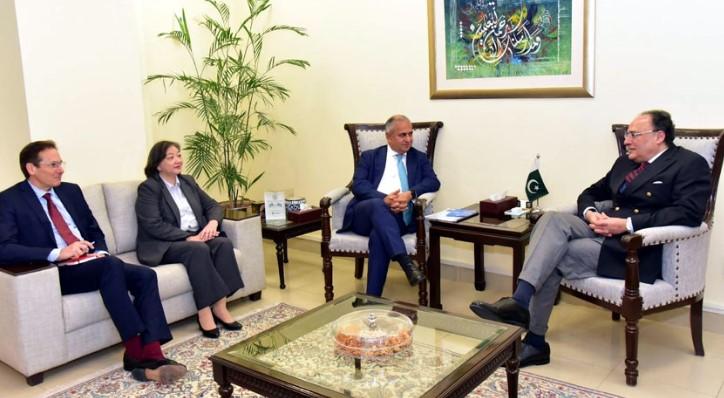
An overnight curfew imposed by the acting president ended early on Thursday with no arrests.

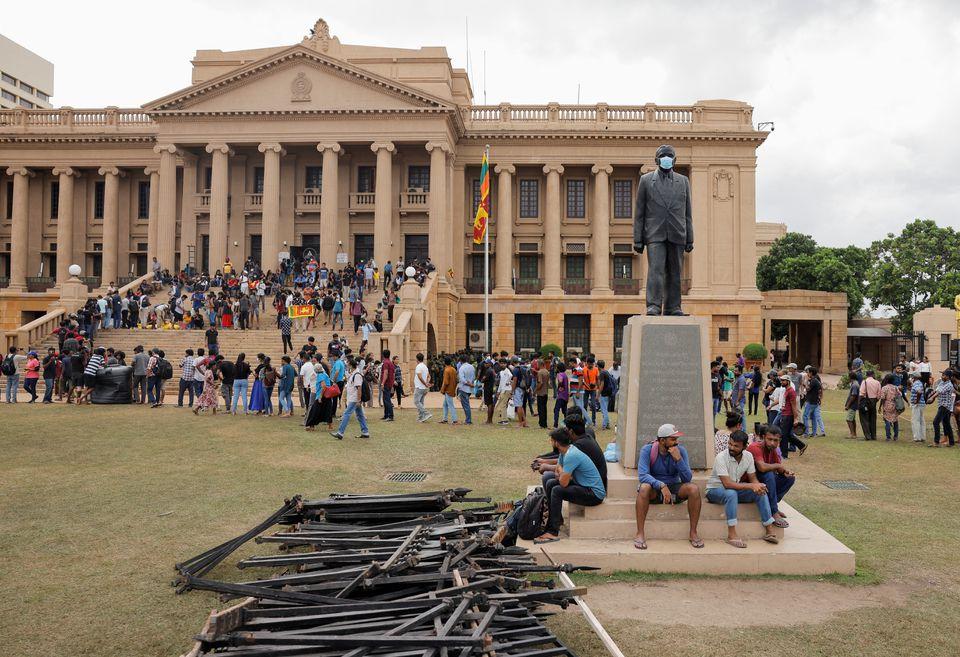
Colombo: Sri Lankans waited for the resignation of President Gotabaya Rajapaksa on Thursday, a day after he fled to the Maldives to escape a popular uprising against an economic crisis blamed on his government's mismanagement.
Rajapaksa was expected to next head to Singapore though his final destination was not clear. His decision on Wednesday to make his ally Prime Minister Ranil Wickremesinghe the acting president triggered more protests, with demonstrators storming the premier's office demanding that he quit too
Rajapaksa had repeatedly assured the speaker of parliament that he would step down on Wednesday, but his resignation letter had not arrived as of early Thursday, said an aide to Speaker Mahinda Yapa Abeywardena.
Hospital sources said at least 45 people were hospitalised following a standoff between riot police and protesters on Wednesday night near the parliament building, as people demanded the ouster of both Rajapaksa and Wickremesinghe.
Local media said a 26-year-old protester who was hospitalised after being tear-gassed died of breathing difficulties.
"Some of the protesters who had gathered outside the parliament building have now dispersed," police spokesman Nalin Thalduwa told Reuters. "The area is now calm."
He said he had no information on how many were hospitalised.
An overnight curfew imposed by the acting president ended early on Thursday with no arrests, Thalduwa said.
Rajapaksa, his wife and two bodyguards left the main international airport near Colombo on an air force plane early on Wednesday. Maldives media said he was now waiting for a private jet to fly to Singapore.
Reuters could not confirm his travel plans.
Sri Lanka's parliament is expected to name a new full-time president next week, and a top ruling party source told Reuters Wickremesinghe was the party's first choice, although no decision had been taken.
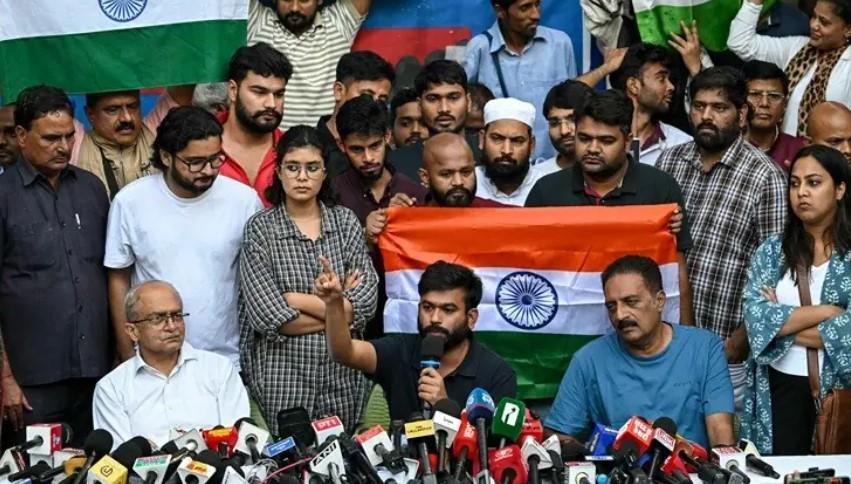
Protests against Sri Lanka's worst economic crisis since independence from Britain in 1948 simmered for months and came to a head last weekend when hundreds of thousands of people took over government buildings in Colombo, blaming the Rajapaksas and their allies for runaway inflation, shortages and corruption.
SOURCE: REUTERS

PHP: The three little letters wreaking havoc across the web
- a day ago
Should you let a chatbot manage your money?
- a day ago

Samsung’s latest 55-inch Frame TV is down to its lowest price yet
- a day ago

Trump is trying to overturn an election that hasn’t happened yet
- a day ago

Jack Dorsey’s Block made an AI model that talks to you like an awkward new friend
- a day ago
Trump says Sundar Pichai talked him out of renaming the Atlantic Ocean
- a day ago

Delta can turn the iPhone Duo into your favorite folding handheld
- a day ago
What do you do when your love and your life are in two different places?
- 8 hours ago

OpenAI now trains its frontier AI models with no internet access
- a day ago

Apple will label apps that are ‘Made for iPhone Duo’
- a day ago

Sure, let’s smoosh SpaceX and Tesla together, who cares
- a day ago
Microsoft shuts down its beloved maker space
- a day ago