FY23: ADB forecasts Pakistan's economy to slow down to 3.5pc amid strong climate headwinds
Inflationary pressures will remain high in the current fiscal year with inflation forecast to rise to 18pc


Islamabad: Pakistan’s economy is forecast to slow down to 3.5 percent in fiscal year 2023 amid devastating floods, policy tightening, and critical efforts to tackle sizable fiscal and external imbalances, the Asian Development Bank (ADB) said in a report released Wednesday.
The slowdown in FY 2023 (ending on June 30, 2023) has been predicted even as growth in FY2022 is expected to have reached 6.0%.
According to the Asian Development Outlook (ADO) 2022 Update, gross domestic product (GDP) growth in Pakistan in FY2022 was propelled by higher private consumption and an expansion in agriculture, services, and industry—particularly large-scale manufacturing.
But in FY2023—as well as climate headwinds and Pakistan’s critical policy efforts—ADB’s lower growth projection also reflects double-digit inflation. The latest report is an update to ADB’s annual flagship economic publication.
“The recent devastating floods in Pakistan add profound risk to the country’s economic outlook,” said ADB Country Director for Pakistan Yong Ye.
“We hope that flood related reconstruction and economic reforms will catalyze significant international financial support, stimulate growth, and preserve social and development spending to protect the vulnerable. ADB is preparing a package of relief, rehabilitation, and reconstruction to support people, livelihoods, and infrastructure immediately and in the long-term,”Yong Ye added.
The economic outlook will be shaped largely by the restoration of political stability and the continued implementation of reforms under the revived International Monetary Fund program to stabilize the economy and restore fiscal and external buffers.
According to the update, private consumption expanded by 10% in FY2022 resulting in improved employment conditions and higher household incomes.
Agriculture output increased by 4.4% in FY2022 supported by strong performances in crops and livestock. Agriculture growth is expected to moderate due to flood damage and high input costs next year, which may diminish services growth, particularly wholesale and retail trade.
In FY2023, fiscal adjustments and monetary tightening are expected to suppress domestic demand. A contraction in demand, together with capacity and input constraints created by higher import prices from the rupee’s depreciation, will reduce industry output.
Inflation accelerated sharply in the fourth quarter (April–June) of FY2022, spurred by the removal of fuel and electricity subsidies, a significant depreciation in the rupee, and the surge in international commodity prices.
Inflation spiked to 21.3% in June, its highest since 2008, lifting average headline inflation to 12.2% in FY2022. Inflationary pressures will remain high in FY2023 with inflation forecast to rise to 18%.
In addition to the floods, the elevated inflation rate along with possible fiscal slippages as general elections approach, and a higher-than-projected increase in global food and energy prices, remain downside risks to the outlook, the report adds.
SOURCE: APP

Being a mom is hard — the heat is making it harder
- a day ago

PM Shehbaz calls for deeper economic, agricultural ties with Saudi Arabia
- 12 hours ago

Iftikhar Gilani elected AJK's 17th Prime Minister
- 10 hours ago

Last-wicket duo take England to 290 all out in 2nd Test against Pakistan
- 10 hours ago

Hot, humid weather continues in most plain areas today
- 12 hours ago

Is Reddit still for humans?
- 20 hours ago

CDF Munir highlights Pakistan’s efforts for peace
- 12 hours ago

America’s murder rate hasn’t been this low in 70 years
- 20 hours ago

Abbas takes three wickets as Pakistan on top against England
- a day ago

How do you rebuild trust in the government? One pothole at a time.
- 20 hours ago
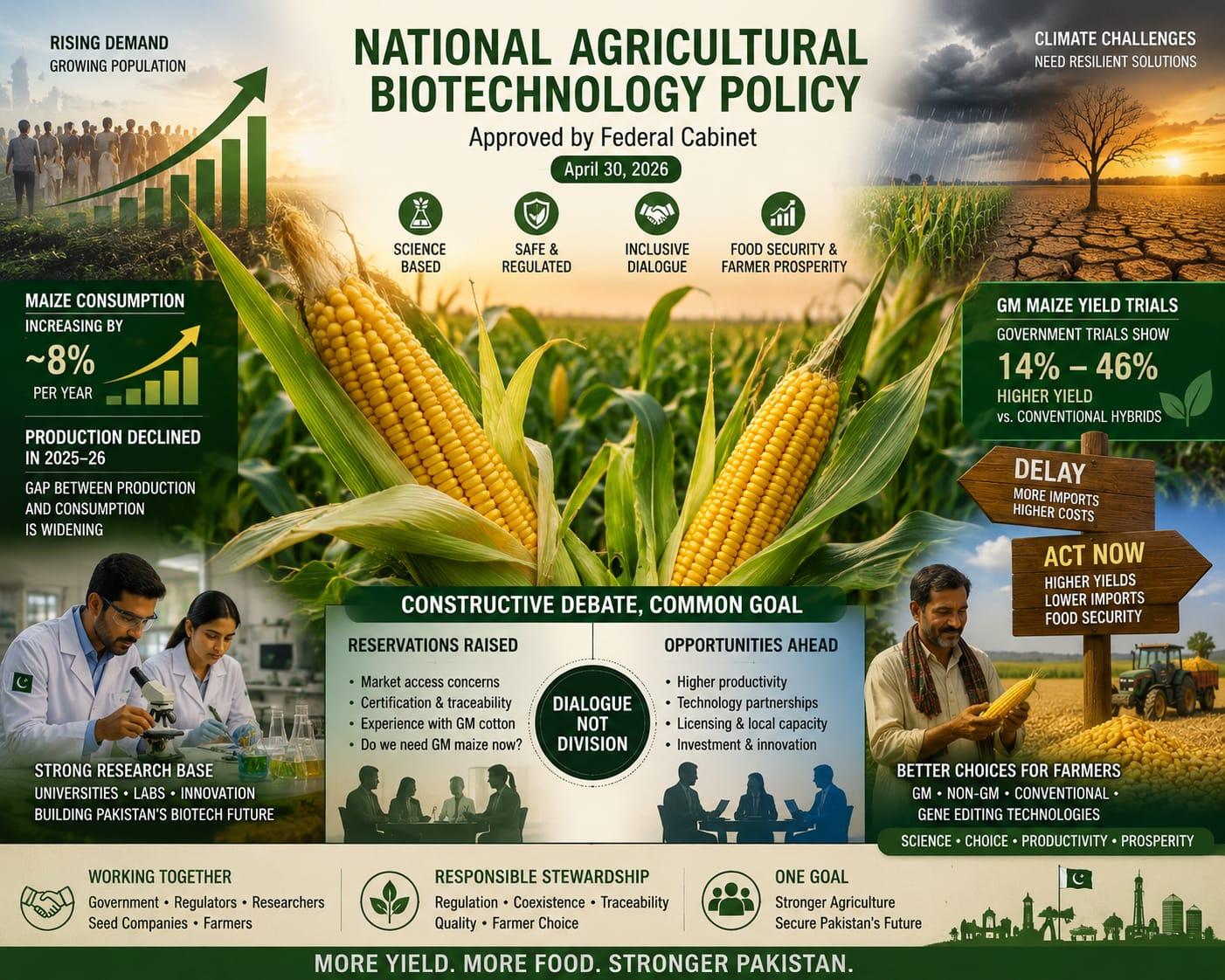
More crop productivity: GM maize debate gains momentum in Pakistan
- 9 hours ago
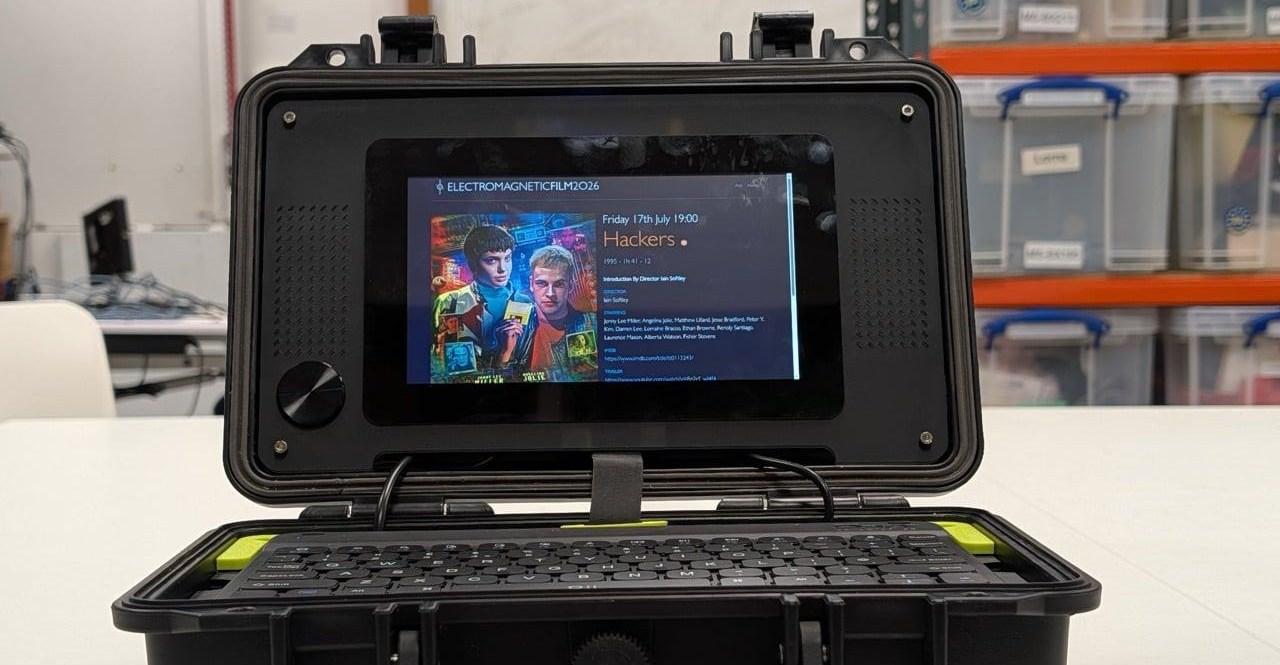
Raspberry Pi shares its official tutorial for making a cyberdeck
- a day ago