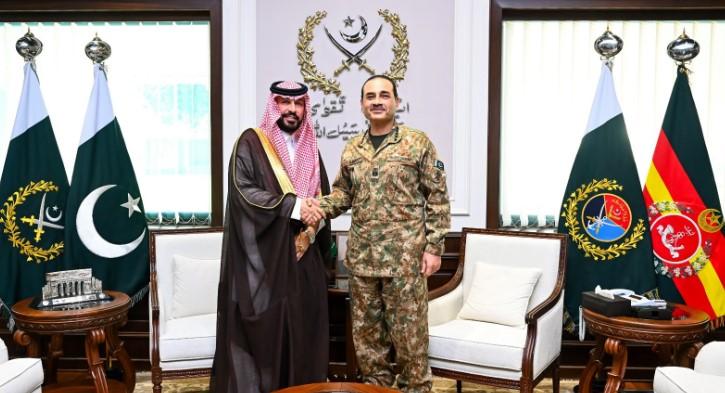
The United States had approved a $450 million F-16 deal for Pakistan earlier in Sept

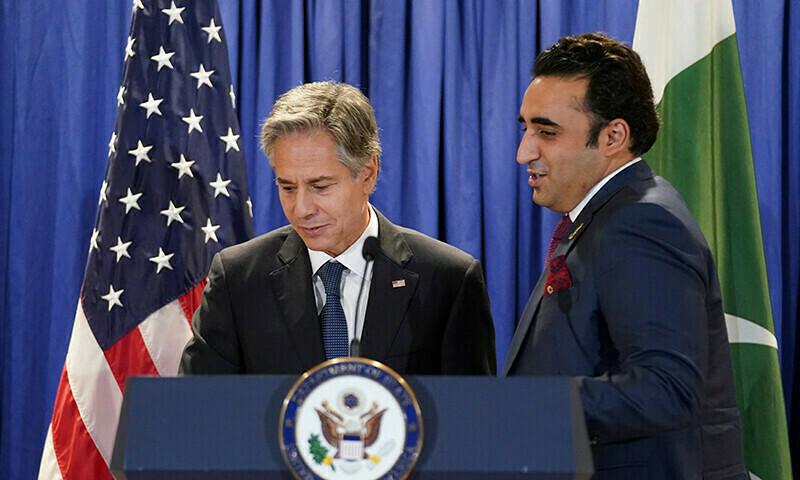
US Secretary of State Antony Blinken on Tuesday defended military sales to Pakistan after withering criticism from growing US partner India, which considers itself the target of Islamabad´s F-16 planes.
Blinken met in Washington with India's foreign minister a day after separate talks with his counterpart from Pakistan, whose Cold War alliance with Washington has frayed over Islamabad's relationship with Afghanistan's Taliban.
The top US diplomat defended a $450 million F-16 deal for Pakistan approved earlier in September, saying the package was for the maintenance of Pakistan's existing fleet.
"These are not new planes, new systems, new weapons. It's sustaining what they have," Blinken told a news conference with his Indian counterpart, Subrahmanyam Jaishankar.
"Pakistan's programme bolsters its capability to deal with terrorist threats emanating from Pakistan or from the region. It's in no one's interests that those threats be able to go forward with impunity," Blinken said.
Jaishankar did not criticise Blinken in public. But on Sunday, speaking at a reception for the Indian community in the United States, Jaishankar said of the US position, "You're not fooling anybody."
"For someone to say, I'm doing this because it's for counter-terrorism when you're talking of an aircraft like the capability of the F-16, everybody knows where they are deployed," he said, referring to the fleet's positioning against India.
"Very honestly, it's a relationship that has neither ended up serving Pakistan well nor serving American interests well," he said.
India historically has bought military equipment from Moscow and has pressed the United States to waive sanctions required under a 2017 law for any nation that buys "significant" military hardware from Russia.
Speaking next to Blinken, Jaishankar noted that India has in recent years also made major purchases from the United States, France and Israel.
India assesses the quality and purchase terms and "we exercise a choice which we believe is in our national interest," he said, rejecting any change due to "geopolitical tensions."
SOURCE: AFP
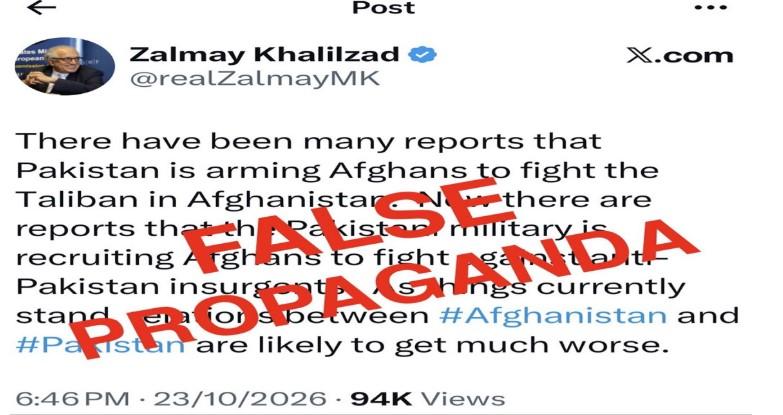
Pakistan rejects Khalilzad's allegations of arming Afghans
- 29 minutes ago

10 terrorists, including one female, killed in Gwadar: ISPR
- a day ago

What Christina Applegate’s misdiagnosis reveals about MS
- a day ago
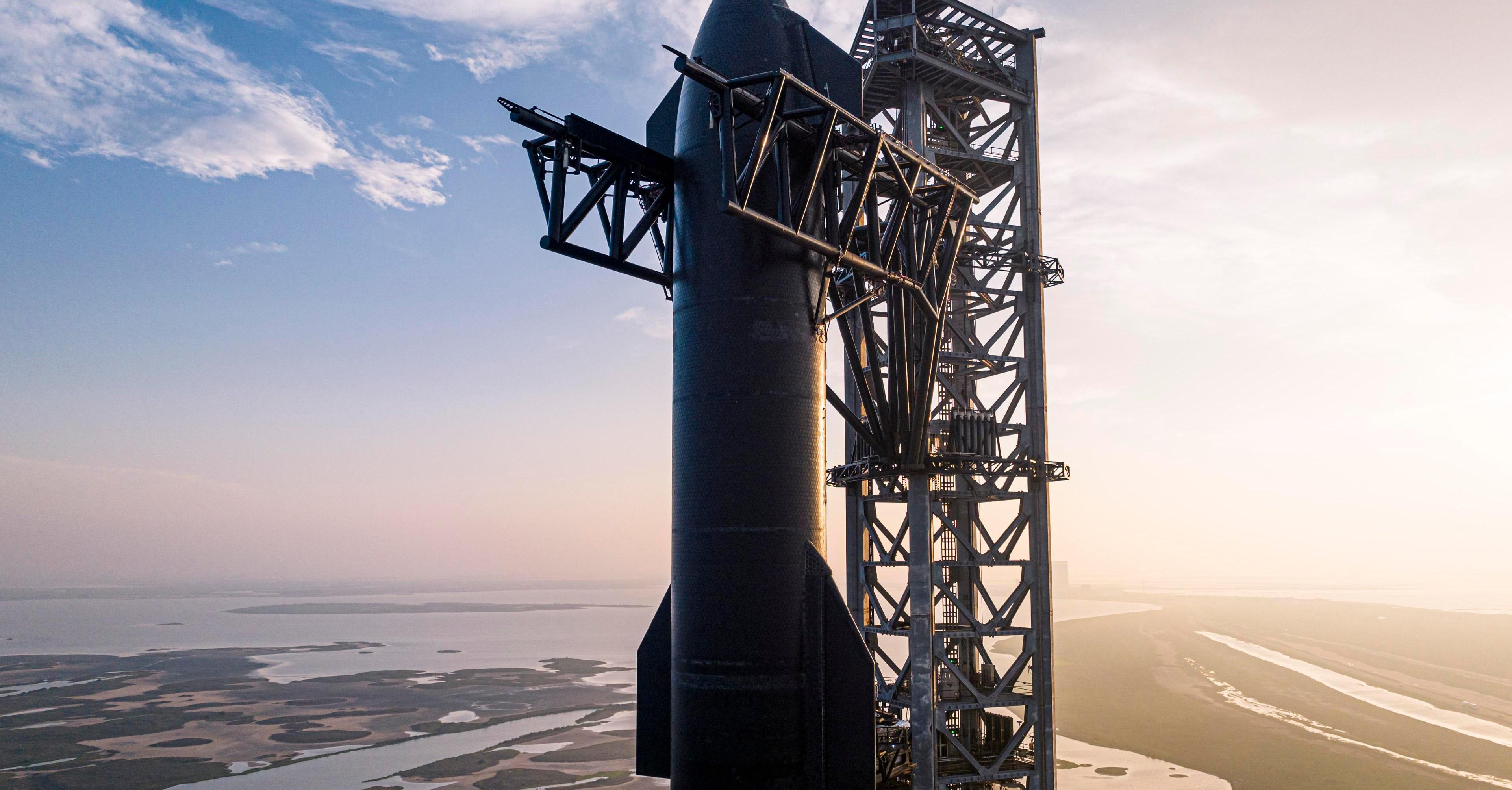
SpaceX will try catching Starship and its booster for first time, Musk says
- 11 hours ago

JustWatch now streams TV shows and movies, too
- 11 hours ago

Xbox Cloud Gaming’s pay-as-you-go option starts at $3.99 for 10 hours
- 2 hours ago

US military bans BYD vehicles from strategic air base in Japan
- a day ago
Field Marshal Munir vows total defeat of terrorists with public support
- a day ago

Colleges can do more to prevent sexual assault. Here’s where to start.
- 9 hours ago

PM Shehbaz sets illustrative wheat price at Rs4,500 per 40kg for 2027
- 19 hours ago

How to ban gerrymandering when the Supreme Court is stacked against you
- 9 hours ago
FinMin Aurangzeb, WB discuss Pakistan's economic reform agenda
- 19 hours ago