
Amazon is making plans to produce hydrogen fuel at its fulfillment centers. The retail behemoth partnered with hydrogen company Plug Power to install the first electrolyzer — equipment that can split water molecules to produce hydrogen — at a fulfillment center in Aurora, Colorado.
Technology
- Home
- Technology
- News
Amazon plans to make its own hydrogen to power vehicles
Amazon has started to produce its own hydrogen fuel at a fulfillment center in the hopes of meeting climate goals, but the process isn’t completely green yet.

Published 3 years ago on Dec 30th 2023, 10:00 am
By Web Desk
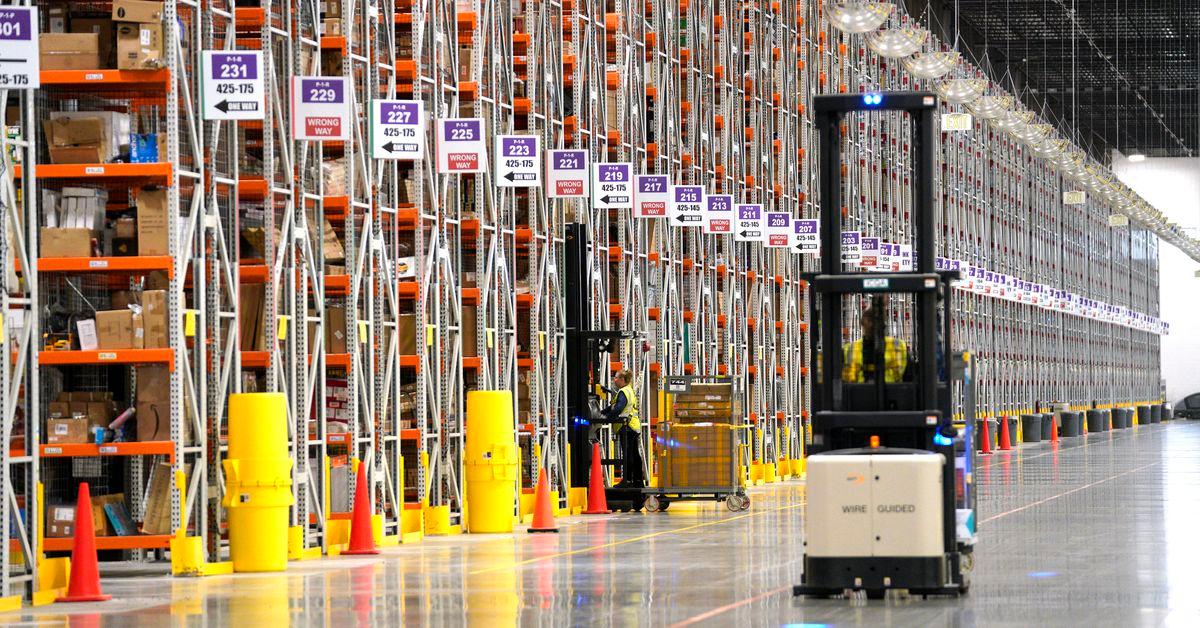
The electrolyzer will make fuel for around 225 fork lift trucks at the site, although Plug says it has the capacity to fuel up to 400 hydrogen fuel cell-powered forklifts. This is the first time Amazon has tried to make its own hydrogen on site, and it’s not likely to be the last.
“On-site production will make the use of hydrogen even more energy efficient for certain locations and types of facilities,” Asad Jafry, Amazon’s director of global hydrogen economy, said in a press release announcing the installation of the first electrolyzer yesterday. “Hydrogen is an important tool in our efforts to decarbonize our operations by 2040.”
The potential environmental benefits are still hard to measure
Hydrogen is supposed to be a cleaner-burning alternative to fossil fuels, which is why Amazon is using it at its warehouses. But the potential environmental benefits are still hard to measure, and depend a lot on how policymakers and companies like Amazon shape the supply chain for hydrogen.
Hydrogen produces water vapor instead of greenhouse gas emissions during combustion, a trait that’s made it more attractive to companies and governments working to meet climate goals. The big problem they need to tackle is cleaning up the process of making hydrogen in the first place. Today, most of it is made using fossil fuels, primarily through a reaction between steam and methane. The process releases planet-heating carbon dioxide. Methane leaks are another problem since methane — also called natural gas — is an even more potent greenhouse gas than CO2.
Plug tries to solve those problems by using electrolyzers to produce hydrogen. Instead of using methane, it uses electricity to split water into hydrogen and oxygen. If that electricity is generated by renewable sources of energy like wind or solar, it’s called green hydrogen. While this method gets rid of pollution, it’s still much more expensive than making hydrogen the dirty way. The Biden administration is trying to change that through tax incentives and billions of dollars in federal funding for clean hydrogen production hubs. President Biden even invoked the Defense Production Act last year to boost domestic production of electrolyzers.
Since 2016, Plug has delivered some 17,000 fuel cells for forklifts to more than 80 fulfillment centers across North America. Most of the hydrogen for those fuel cells are made elsewhere, though, and Plug delivers it to warehouses via truck.
Producing hydrogen on site can get rid of tailpipe pollution from transporting the fuel by truck. But for now, there are still greenhouse gas emissions associated with making the hydrogen at the Colorado fulfillment center. Why? The electrolyzer is plugged into the power grid, and fossil fuels still make up about 60 percent of the US electricity mix.
To make truly green hydrogen, Amazon would have to make sure its new electrolyzer runs on renewables. The company is looking into pairing it with renewable energy generated on site, but doesn’t have a concrete timeline for when that might happen, according to Jafry.
The e-commerce giant does have a goal of purchasing enough renewable energy to match the electricity use of its operations by 2025. It also made a commitment in 2019 to reach net zero greenhouse gas emissions by 2040, although the company’s most recent sustainability report shows that its carbon footprint has actually grown by about 39 percent since then.

Trump’s taxpayer-funded propaganda blitz
- 13 گھنٹے قبل

Where did all the vegan restaurants go?
- 4 گھنٹے قبل

Muse sure looks a lot like OpenClaw
- 15 گھنٹے قبل

Trump’s China reversal
- 13 گھنٹے قبل

Control Resonant gets tough, but gives you the tools to deal with it
- 15 گھنٹے قبل

This weather threat costs us billions. And it’s about to get worse.
- 13 گھنٹے قبل

Global financial institutions express confidence in Pakistan's economic reforms
- ایک دن قبل

OpenAI agents hacked an Australian government website in search for data
- 15 گھنٹے قبل

Saudi Arabia resumes Yanbu oil loading after pipeline restart
- ایک دن قبل

Honor’s Magic 9 Pro Max has a big camera and a bigger battery
- 15 گھنٹے قبل
.jpeg&w=3840&q=75)
Alkhidmat delegation attends UNIW 40th Council meeting in Malaysia
- 4 گھنٹے قبل

Meta’s next VR device isn’t a headset — it’s glasses
- 15 گھنٹے قبل
You May Like

Trending