A federal judge has denied X’s (formerly Twitter) attempt to temporarily halt a California law that pushes social media platforms to disclose their strategies for moderating harmful content.
Technology
- Home
- Technology
- News
Elon Musk’s X can’t get around California’s content moderation law, judge rules
Elon Musk’s X, formerly Twitter, lost its attempt to block a California law that pushes social media companies to disclose how they moderate content.

Published 3 years ago on Dec 31st 2023, 10:00 am
By Web Desk
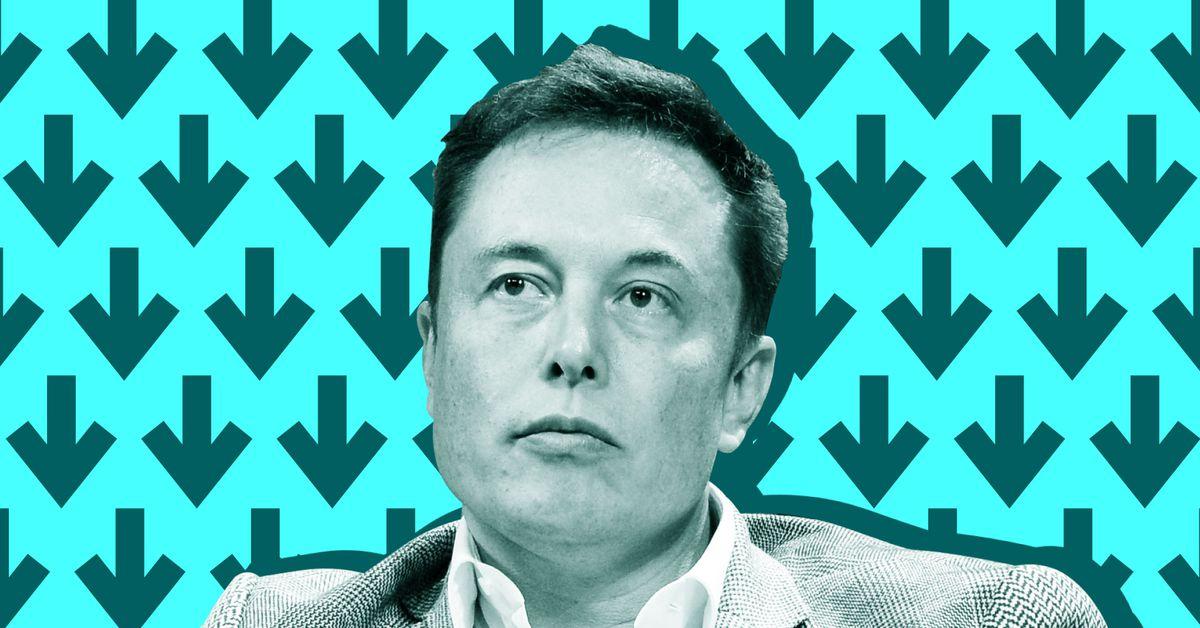
Passed last year, AB 587 requires large social media companies to share descriptions of how they moderate content that contains hate speech or racism, extremism or radicalization, disinformation, harassment, and foreign political interference. In a complaint filed in September, X argued that the law violates the First Amendment right to free speech.
The company formerly known as Twitter failed to make its case. US District Judge William Shubb denied X’s request for a preliminary injunction of the law. “While the reporting requirement does appear to place a substantial compliance burden on social medial companies, it does not appear that the requirement is unjustified or unduly burdensome within the context of First Amendment law,” Shubb writes in his decision issued yesterday.
“The required disclosures are also uncontroversial.”
X didn’t immediately respond to a request for comment from The Verge, replying with an email that says, “Busy now, please check back later.” The company’s complaint against AB 587 said that it’s “difficult to reliably define” what constitutes hate speech, misinformation, and political interference. It also alleged that AB 587 would force social media platforms to “‘eliminate’ certain constitutionally-protected content.”
Shubb, on the other hand, found that the information AB 587 requires companies to report to the Attorney General twice a year is pretty straightforward. “The reports required by AB 587 are purely factual. The reporting requirement merely requires social media companies to identify their existing content moderation policies, if any, related to the specified categories,” his decision says. “The required disclosures are also uncontroversial. The mere fact that the reports may be ‘tied in some way to a controversial issue’ does not make the reports themselves controversial.”
X has thinned out its ranks since Elon Musk took over last year, with job cuts heavily affecting its trust and safety team. And X’s moderation policies are under scrutiny in Europe now, too. The European Union opened a formal investigation into X this month over whether it has violated the bloc’s Digital Services Act (DSA). “The dissemination of illegal content in the context of Hamas’ terrorist attacks against Israel” is a key concern of the investigation, according to the European Commission. It’s the first time the commission has launched formal infringement proceedings under the DSA. The rules aim to curb illegal activity and disinformation online and went into effect this year.
The Cornell rape case has surfaced a hidden divide among progressives
- 15 hours ago
Russia released a US prisoner. What did they get out of it?
- 15 hours ago

PM Shehbaz sets illustrative wheat price at Rs4,500 per 40kg for 2027
- 13 minutes ago
This Democrat’s accountability plan has Trump fuming
- 15 hours ago

Conversational Gemini navigation comes to Apple CarPlay
- 17 hours ago

How the biggest renewable energy project in US history finally got built
- 15 hours ago

GM promises smarter cars, faster updates, and autonomous dry-cleaning runs
- 17 hours ago

Field Marshal Munir vows total defeat of terrorists with public support
- 7 hours ago

US military bans BYD vehicles from strategic air base in Japan
- 6 hours ago

10 terrorists, including one female, killed in Gwadar: ISPR
- 4 hours ago

FinMin Aurangzeb, WB discuss Pakistan's economic reform agenda
- 34 minutes ago
What Christina Applegate’s misdiagnosis reveals about MS
- 15 hours ago
You May Like




Trending