The University of Tennessee is under NCAA investigation for violations related to name, image and likeness, sources confirmed to ESPN.

Published 3 years ago on Feb 4th 2024, 11:00 am
By Web Desk
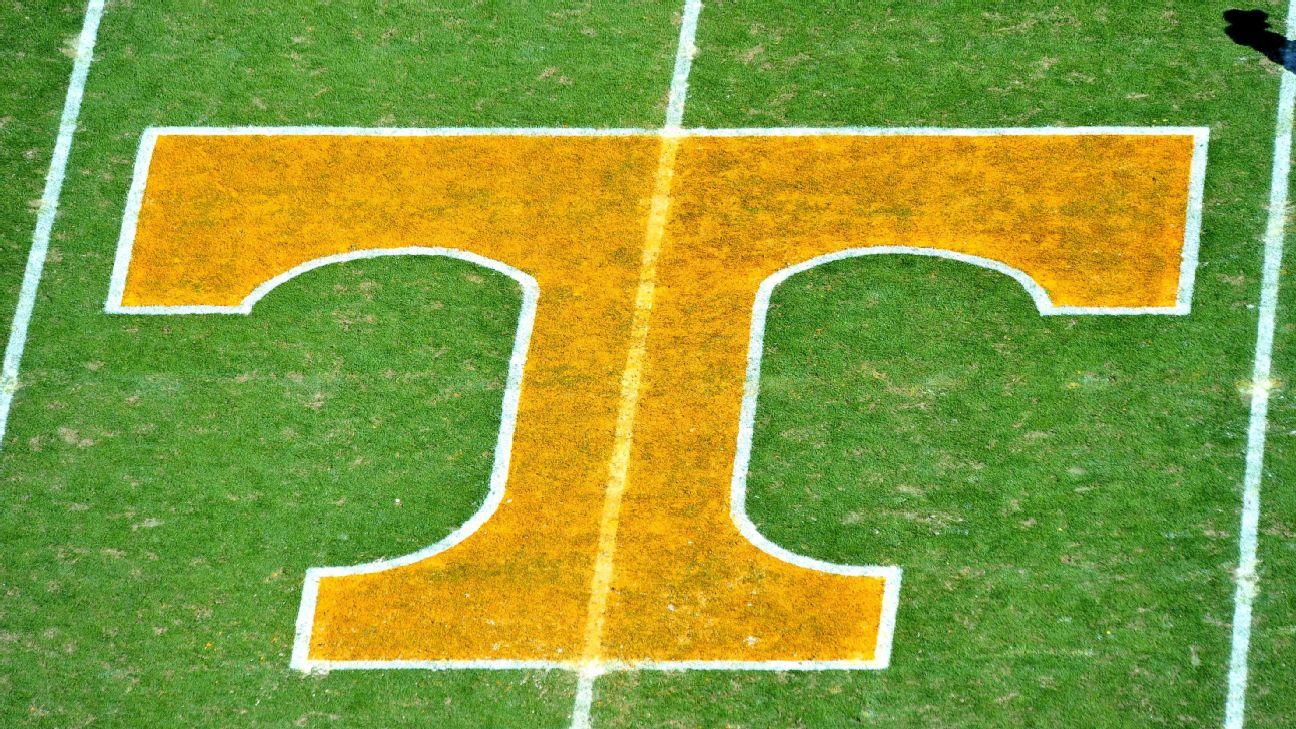
The University of Tennessee is under NCAA investigation for violations related to name, image and likeness, sources confirmed to ESPN on Tuesday.
The investigation puts the Volunteers in the crosshairs for potential sanctions as repeat violators. Tennessee is fresh off an NCAA ruling in summer 2023 in which it was charged with 18 Level 1 violations and fined a record $8 million.
The scope and breadth of the current allegations, according to sources, include the potential for the enforcement staff to charge multiple Level 1 and Level 2 violations. The case revolves around activity related to the Spyre Sports Group, which is Tennessee's primary NIL collective, sources told ESPN.
The case is fundamentally tied to football, but the Spyre Sports Group sponsors athletes in other sports.
The NCAA's investigation into Tennessee was first reported by Sports Illustrated.
Tennessee has pushed back against the allegations. A document obtained by ESPN shows Tennessee chancellor Donde Plowman told NCAA president Charlie Baker the allegations are "factually untrue and procedurally flawed."
In the letter, obtained by ESPN through an open records request, Plowman called the NCAA rules regarding NIL "intellectually dishonest" in how they are written.
This tension comes at a time when the NCAA appears to be focusing on rules tied to name, image and likeness. Recent cases that emerged at both Florida and Florida State were tied to NIL allegations.
Attorney Tom Mars on Tuesday released a statement on behalf of Spyre Sports Group, saying that an agreement with quarterback Nico Iamaleava "was fully consistent with then existing NCAA NIL 'guidelines' and had nothing to do with recruiting Nico to the University of Tennessee or any other school."
Mars said the agreement with Iamaleava involved a "limited assignment of his NIL rights, no matter which school he chose to attend" and that similar "representation agreements" have become "increasingly common" throughout the college landscape.
Tennessee declined comment when reached by ESPN. The school has yet to receive a formal notice of allegations from the NCAA, sources said.
"I'd say there's a real uptick in NIL cases, portal issues," a source familiar with the NCAA space told ESPN. "They are the two main areas of enforcement staff inquiry. And those go hand-in-hand a lot of times. The NIL money is being used as transfer bait."
Tennessee's defense appears to be laid out in the scathing letter from Plowman to Baker.
"The NCAA's allegations are factually untrue and procedurally flawed," Plowman wrote in the letter. "Moreover, it is intellectually dishonest for the NCAA enforcement staff to pursue infractions cases as if student-athletes have no NIL rights and as if institutions all have been functioning post-Alston with a clear and unchanging set of rules and willfully violating them."
Plowman hinted at the scope of the charges by defending Tennessee from a perceived "lack of institutional control."
"It is inconceivable that our institution's leadership would be cited as an example of exemplary leadership in July 2023, then as a cautionary example of a lack of institutional control only six months later," Plowman wrote to Baker.
Lack of institutional control -- one of the most serious charges that a school can face -- could be tied to the potential of Tennessee falling under repeat violator status, which is an issue of contention for the university. Per NCAA bylaws, a repeat violator happens within a five-year window of the "starting date of a Level 1 or Level II penalty stemming from a previous case."
Simply put, a repeat violator is at risk for significant additional penalties, as "a heading panel may depart upward from the core penalties."
"The University of Tennessee complied with the interim NIL policy and guidance as it was put into place by the NCAA," Plowman wrote in her letter to Baker. "No member institution could follow future guidance prior to it being given, let alone interpreted."
Plowman added that no Tennessee employee has been named, nor have any athletes or the collective broken "any rule or guidance document as they existed at the time any actions were taken."
"The NCAA enforcement staff's intended processing of the proposed allegations is replete with legal and procedural defects, including unsettled and outstanding interpretive questions that require further attention and input from the NCAA membership, particularly given the novel nature of the issue and the gravity of such determinations," Plowman wrote in the letter. "Further, some of the allegations are simply factually untrue.
"It is intellectually dishonest for the NCAA staff to issue guidelines that say a third-party collective/business may meet with prospective student-athletes, discuss NIL, even enter into a contract with prospective student-athletes, but at the same time say that the collective may not engage in conversations that would be of a recruiting nature. Any discussion about NIL might factor into a prospective student-athlete's decision to attend an institution. This creates an inherently unworkable situation, and everyone knows it."
ESPN's Mark Schlabach contributed to this report.
The investigation puts the Volunteers in the crosshairs for potential sanctions as repeat violators. Tennessee is fresh off an NCAA ruling in summer 2023 in which it was charged with 18 Level 1 violations and fined a record $8 million.
The scope and breadth of the current allegations, according to sources, include the potential for the enforcement staff to charge multiple Level 1 and Level 2 violations. The case revolves around activity related to the Spyre Sports Group, which is Tennessee's primary NIL collective, sources told ESPN.
The case is fundamentally tied to football, but the Spyre Sports Group sponsors athletes in other sports.
The NCAA's investigation into Tennessee was first reported by Sports Illustrated.
Tennessee has pushed back against the allegations. A document obtained by ESPN shows Tennessee chancellor Donde Plowman told NCAA president Charlie Baker the allegations are "factually untrue and procedurally flawed."
In the letter, obtained by ESPN through an open records request, Plowman called the NCAA rules regarding NIL "intellectually dishonest" in how they are written.
This tension comes at a time when the NCAA appears to be focusing on rules tied to name, image and likeness. Recent cases that emerged at both Florida and Florida State were tied to NIL allegations.
Attorney Tom Mars on Tuesday released a statement on behalf of Spyre Sports Group, saying that an agreement with quarterback Nico Iamaleava "was fully consistent with then existing NCAA NIL 'guidelines' and had nothing to do with recruiting Nico to the University of Tennessee or any other school."
Mars said the agreement with Iamaleava involved a "limited assignment of his NIL rights, no matter which school he chose to attend" and that similar "representation agreements" have become "increasingly common" throughout the college landscape.
Tennessee declined comment when reached by ESPN. The school has yet to receive a formal notice of allegations from the NCAA, sources said.
"I'd say there's a real uptick in NIL cases, portal issues," a source familiar with the NCAA space told ESPN. "They are the two main areas of enforcement staff inquiry. And those go hand-in-hand a lot of times. The NIL money is being used as transfer bait."
Tennessee's defense appears to be laid out in the scathing letter from Plowman to Baker.
"The NCAA's allegations are factually untrue and procedurally flawed," Plowman wrote in the letter. "Moreover, it is intellectually dishonest for the NCAA enforcement staff to pursue infractions cases as if student-athletes have no NIL rights and as if institutions all have been functioning post-Alston with a clear and unchanging set of rules and willfully violating them."
Plowman hinted at the scope of the charges by defending Tennessee from a perceived "lack of institutional control."
"It is inconceivable that our institution's leadership would be cited as an example of exemplary leadership in July 2023, then as a cautionary example of a lack of institutional control only six months later," Plowman wrote to Baker.
Lack of institutional control -- one of the most serious charges that a school can face -- could be tied to the potential of Tennessee falling under repeat violator status, which is an issue of contention for the university. Per NCAA bylaws, a repeat violator happens within a five-year window of the "starting date of a Level 1 or Level II penalty stemming from a previous case."
Simply put, a repeat violator is at risk for significant additional penalties, as "a heading panel may depart upward from the core penalties."
"The University of Tennessee complied with the interim NIL policy and guidance as it was put into place by the NCAA," Plowman wrote in her letter to Baker. "No member institution could follow future guidance prior to it being given, let alone interpreted."
Plowman added that no Tennessee employee has been named, nor have any athletes or the collective broken "any rule or guidance document as they existed at the time any actions were taken."
"The NCAA enforcement staff's intended processing of the proposed allegations is replete with legal and procedural defects, including unsettled and outstanding interpretive questions that require further attention and input from the NCAA membership, particularly given the novel nature of the issue and the gravity of such determinations," Plowman wrote in the letter. "Further, some of the allegations are simply factually untrue.
"It is intellectually dishonest for the NCAA staff to issue guidelines that say a third-party collective/business may meet with prospective student-athletes, discuss NIL, even enter into a contract with prospective student-athletes, but at the same time say that the collective may not engage in conversations that would be of a recruiting nature. Any discussion about NIL might factor into a prospective student-athlete's decision to attend an institution. This creates an inherently unworkable situation, and everyone knows it."
ESPN's Mark Schlabach contributed to this report.
Why diesel prices are an economic time bomb
- 20 hours ago
Any attempt to create violent unrest or May 9-like situation to be dealt with decisively, affirms Army's top brass
- 9 hours ago

Saudi Arabia denies reports of suicide bomber at Grand Mosque in Makkah
- 11 hours ago
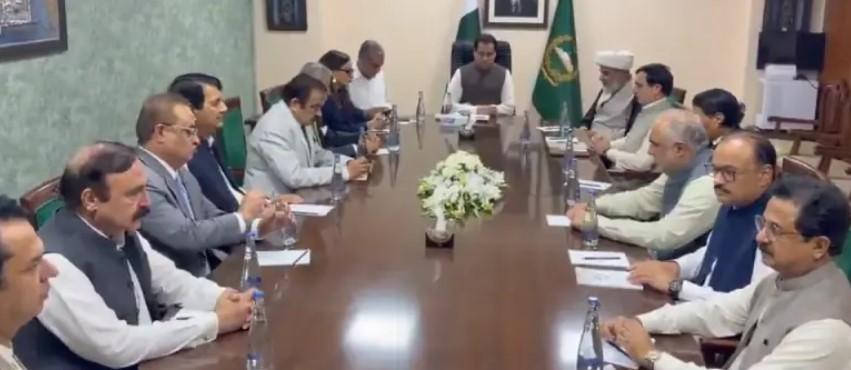
Govt-opposition talks continue amid heated exchanges between Rana Sana and Raja Nasir
- 11 hours ago
Nvidia says its new AI safety platform can contain rogue agents within ‘milliseconds’
- a day ago
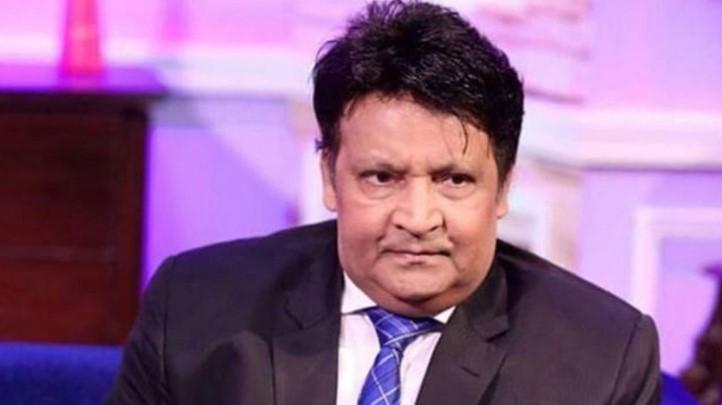
Death anniversary of renowned comedian Umer Sharif being observed today
- 10 hours ago
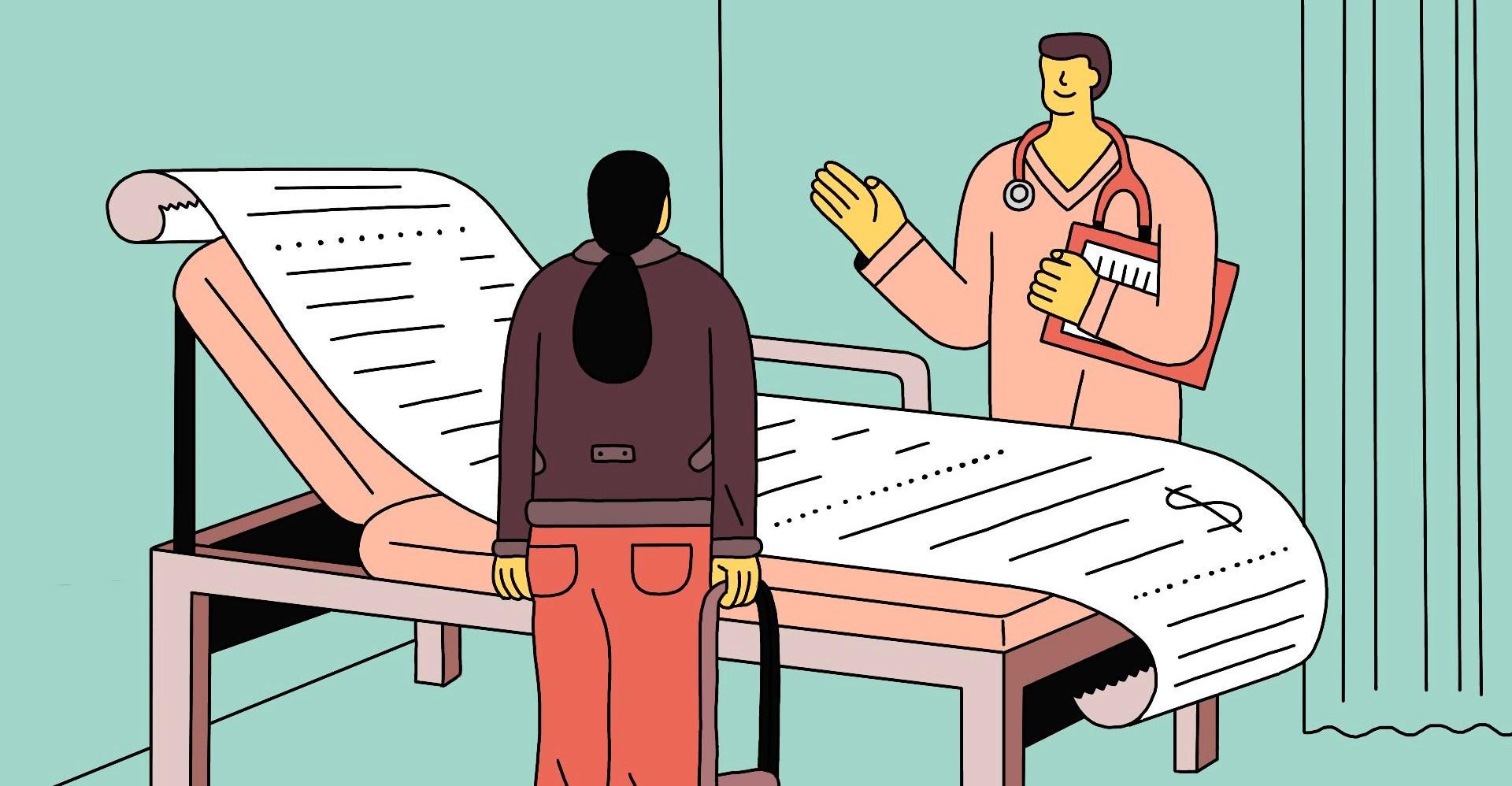
You’re supposed to get one free doctor’s visit every year. So why are so many Americans being charged?
- 20 hours ago

The SaaSpocalypse that wasn’t, with Atlassian CEO Mike Cannon-Brookes
- a day ago
Anthropic warns of ‘catastrophic’ AI risks in its own IPO filing
- a day ago
Customs confiscates narcotics in IBO off M-2
- 12 hours ago
FinMin Aurangzeb vows to strengthen key drivers of sovereign ratings
- 10 hours ago
Flock cameras are creepy. They might still be worth it.
- 20 hours ago
You May Like
Trending

.jpeg&w=3840&q=75)