She has laid out detailed plans to spur new construction and reduce costs for renters

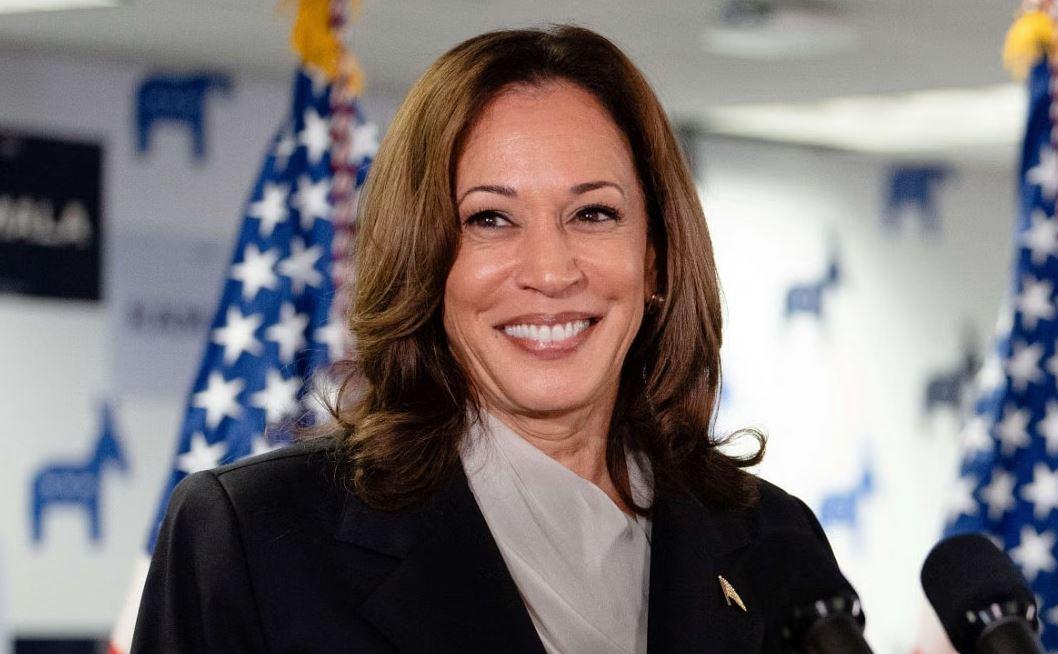
Washington (Reuters): Democratic presidential nominee Kamala Harris is promising to build more housing as the centerpiece of an effort to tackle rising costs that have stressed U.S. households and left home ownership beyond the reach of many Americans.
While Harris has deliberately steered clear of some policy specifics in her month-old presidential bid, she has laid out detailed plans to spur new construction and reduce costs for renters and homebuyers, largely through tax incentives.
"We will end America's housing shortage," she said as she accepted the Democratic presidential nomination last week.
Republican presidential candidate Donald Trump's campaign has also promised to reduce costs through tax breaks and reduced regulations. But on the campaign trail, he has defended local housing restrictions that prevent many types of affordable housing from being built.
Voters rate housing costs as their second-most important economic worry, after fears of rising prices and stagnating income, a Reuters/Ipsos opinion poll found in May.
Housing construction collapsed during the 2007-2009 financial crisis and has been slow to recover in the years since, leaving the United States short 2.9 million units, according to Moody's Analytics.
Pandemic-driven shortages of construction materials pushed up the price of new housing, while rising interest rates made mortgages more expensive.
U.S. home prices have risen 50% in the last five years and rents have risen 35%, according to real estate firm Zillow.
Harris' housing plan could help her win over voters in an election where economic concerns are paramount, said Alyssa Cass, a Democratic strategist who says the issue is a top concern in focus groups.
"Anything that would reduce the cost of housing is music to voters' ears," she said.
At an Aug. 16 campaign stop in North Carolina, Harris called for building 3 million more housing units in four years, on top of the 1 million or so built annually by the private sector, through a new tax credit for developers who build homes aimed at first-time homebuyers and a $25,000 tax credit for those buyers.
She also proposed a $40 billion fund to encourage local governments to build more affordable housing, streamlining regulations and expanding rental aid, among other steps.
The Committee for a Responsible Federal Budget, a nonpartisan watchdog group, estimates those policies would cost at least $200 billion over 10 years.
If elected president, Harris might have trouble enacting those policies into law as similar proposals from President Joe Biden have failed to clear Congress.
Trump's position is less clear. The Republican Party's platform calls for boosting home ownership through tax breaks and eliminating regulations, though it does not outline specifics.
However, Trump also has spoken against proposals to loosen local zoning restrictions that prevent apartments, duplexes and other forms of affordable housing from being built in neighborhoods reserved for single family houses.
“I keep hearing about the suburban woman doesn't like Trump," he said at a campaign event in Howell, Michigan last week. "I keep the suburbs safe. I stopped low-income towers from rising right alongside of their house, and I'm keeping the illegal aliens away from the suburbs."
Trump's running mate, U.S. Senator JD Vance, has blamed immigrants for the housing shortage.
Jenny Schuetz, a housing expert at the nonpartisan Brookings Institution, said that comment amounted to a "not very subtle dog whistle" that recalled the racially charged housing fights of the 1970s, when white residents resisted efforts to integrate suburban areas.
"Trying to frame housing affordability as a social issue, rather than an economic one, isn't helpful to actually addressing the problem," she said.
During Trump's 2017-2021 presidency, his housing secretary Ben Carson proposed easing zoning rules but did not take action. More recently, he called for opposing any efforts to weaken single-family zoning in Project 2025, a conservative policy plan that has been disavowed by the Trump campaign.
Harris has not said whether she would push local governments to loosen zoning regulations, but she has been involved in a broader Biden administration effort to encourage development.
In June, she announced $85 million in grants to 21 local governments to remove "barriers to affordable housing," including reforming land-use policies in some areas. The Biden administration plans to distribute another $100 million later this year.
Sure, let’s smoosh SpaceX and Tesla together, who cares
- 2 days ago

Sri Lanka give Green Shirts crushing defeat
- 2 hours ago
NA passes resolution on peaceful settlement of Kashmir dispute
- 7 hours ago

Jordan arrests three in dawn raid over church attack
- a day ago

What do you do when your love and your life are in two different places?
- 2 days ago

Delta can turn the iPhone Duo into your favorite folding handheld
- 2 days ago

Jordan strikes militant groups in Syria after church attack
- 6 hours ago

Pakistan condemns Houthi missile attacks on Saudi Arabia
- a day ago

PHP: The three little letters wreaking havoc across the web
- 2 days ago
Pakistan, US explore new avenues for energy cooperation
- a day ago
Trump says Sundar Pichai talked him out of renaming the Atlantic Ocean
- 2 days ago

US singer Chris Brown spared jail after pleading guilty over UK nightclub incident
- a day ago