
Facebook and Instagram are testing new facial recognition tools that could help users quickly restore compromised accounts and combat fake celebrity-endorsed scams. Meta announced its plan to roll out experimental features that can scan a user’s face to verify their identity by comparing it against profile pictures on Facebook and Instagram.
Technology
- Home
- Technology
- News
Meta brings back face scanning to combat scams and account hacking
Facebook and Instagram are testing new facial recognition tools that could help users quickly restore compromised accounts and combat fake celebrity-endorsed scams.

Published 2 years ago on Oct 24th 2024, 10:00 am
By Web Desk
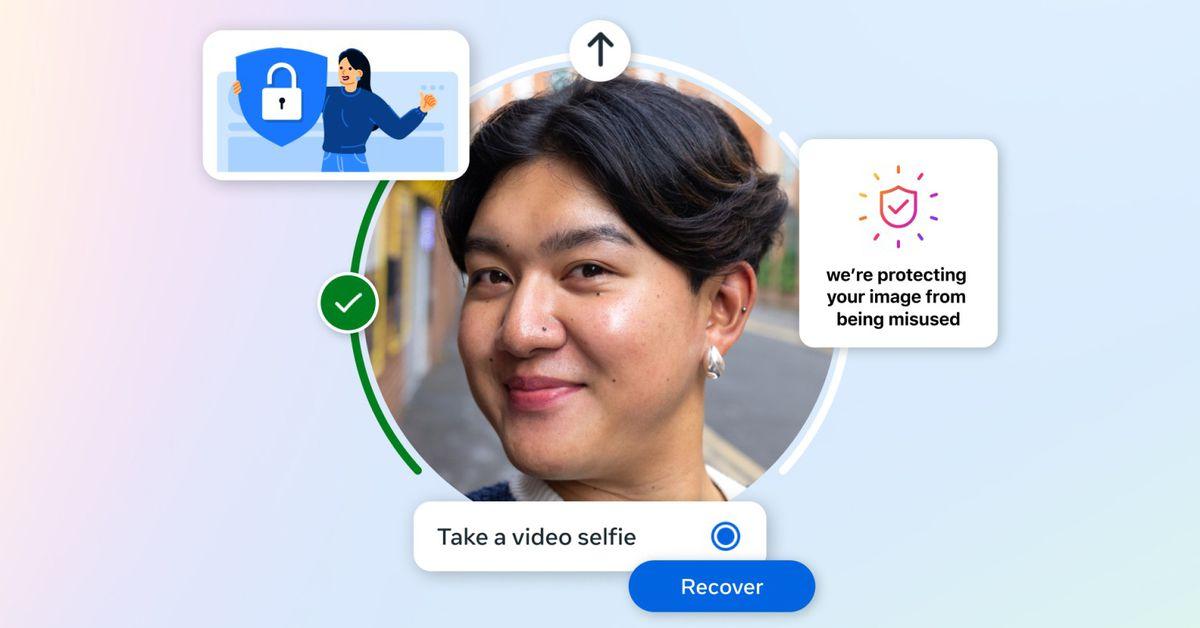
The first usage of these tools aim to protect both celebrities and everyday people from so-called “celeb-bait” ads that impersonate notable figures to trick users into visiting scam websites. Meta currently uses automated technology like machine learning to detect content that violates its policies but says celeb-bait can be difficult to distinguish from legitimate ads.
“If our systems suspect that an ad may be a scam that contains the image of a public figure at risk for celeb-bait, we will try to use facial recognition technology to compare faces in the ad to the public figure’s Facebook and Instagram profile pictures,” Meta said in its announcement. “If we confirm a match and determine the ad is a scam, we’ll block it.”
Celebrities will need a Facebook or Instagram profile to use the new facial recognition tools, but they’ve shown “promising results” for detection speed and efficacy in early testing with a small group of public figures, according to Meta. More celebrities who have been impacted by celeb-bait content will be automatically enrolled in the coming weeks, and will have the option to opt-out if they choose.
Meta’s facial recognition tools will also eventually allow Facebook and Instagram users to regain access to their locked accounts by submitting a video selfie, similar to authentication systems like Apple’s Face ID. It’s not clear when this feature will be available, but Nick Clegg, Meta’s president of global affairs, says it’s “starting small” and plans to “roll out these protections more widely in the months ahead.”
Meta says that uploaded selfie videos will be encrypted and “stored securely.” The company also says that facial data used for comparisons is immediately deleted and isn’t used for “any other purpose” — though it’s worth noting that Meta trains its AI models on almost everything that’s publicly posted to its platforms.
Meta previously integrated facial recognition tech into Facebook to identify and tag users in photographs and videos. That feature was discontinued in 2021 after a lengthy privacy battle. The company now says its new tools have been vetted for security and privacy, and are being discussed with regulators and policymakers.

How did the Cornell rape case go so wrong?
- 2 days ago
ROMO OUT AT CBS AFTER DUI...
- 2 days ago

UN Secretary-General Guterres to arrive in Pakistan tomorrow
- 12 hours ago

Civilian deaths: Pakistan lodges strong protest with India over border firing incident
- 2 days ago

India beat Pakistan in final to complete cricket double
- 3 days ago

Medvedev disqualified from China Open semi after hitting ball into crowd
- 8 hours ago

US withdraws all bomber aircraft from UK airbase used during Iran war
- 7 hours ago

Israeli strike kills five, including four women, in Gaza, health officials say
- 3 days ago

The secret to using AI without getting dumber
- 3 days ago

Gold prices plummet in Pakistan, global markets
- 2 days ago

Pakistan's delegation to attend Makkah defence committee meeting in Riyadh today
- 14 hours ago

OpenAI’s new agent is a shot at Meta — but can it compete with free?
- 3 days ago
You May Like






Trending