
Trump will almost certainly get away with banning trans people from the military
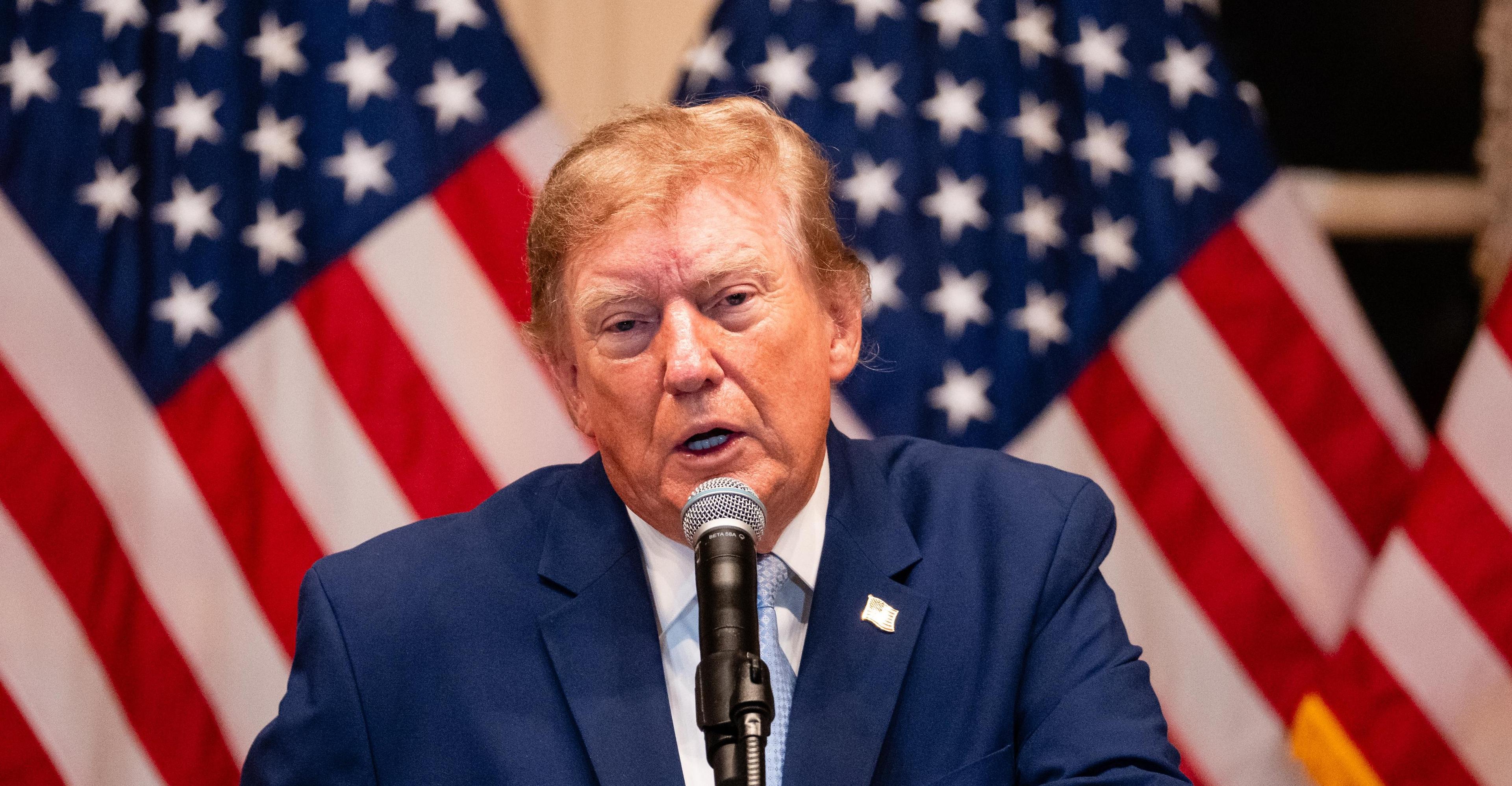
Almost immediately after he began his second term, President Donald Trump ordered the military to ban transgender people from serving in the US military. Under the Defense Department’s policy implementing this order, the military was supposed to start firing …

Published a year ago on May 1st 2025, 7:00 am
By Web Desk
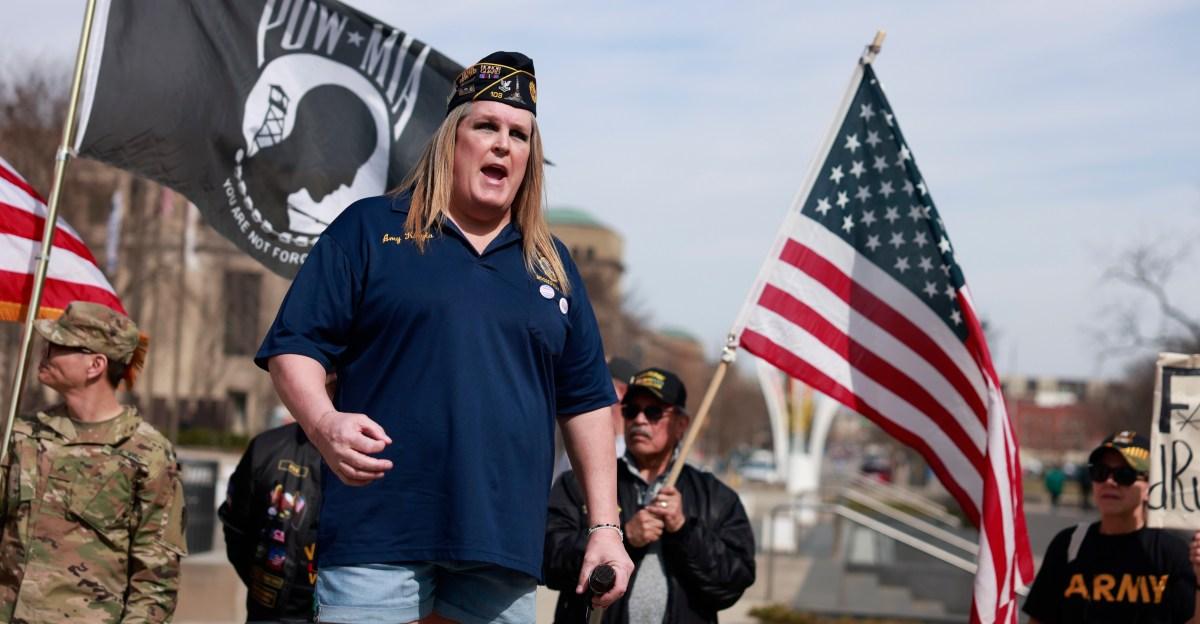
Almost immediately after he began his second term, President Donald Trump ordered the military to ban transgender people from serving in the US military. Under the Defense Department’s policy implementing this order, the military was supposed to start firing trans service members on March 26, although those firings were halted by a court order.
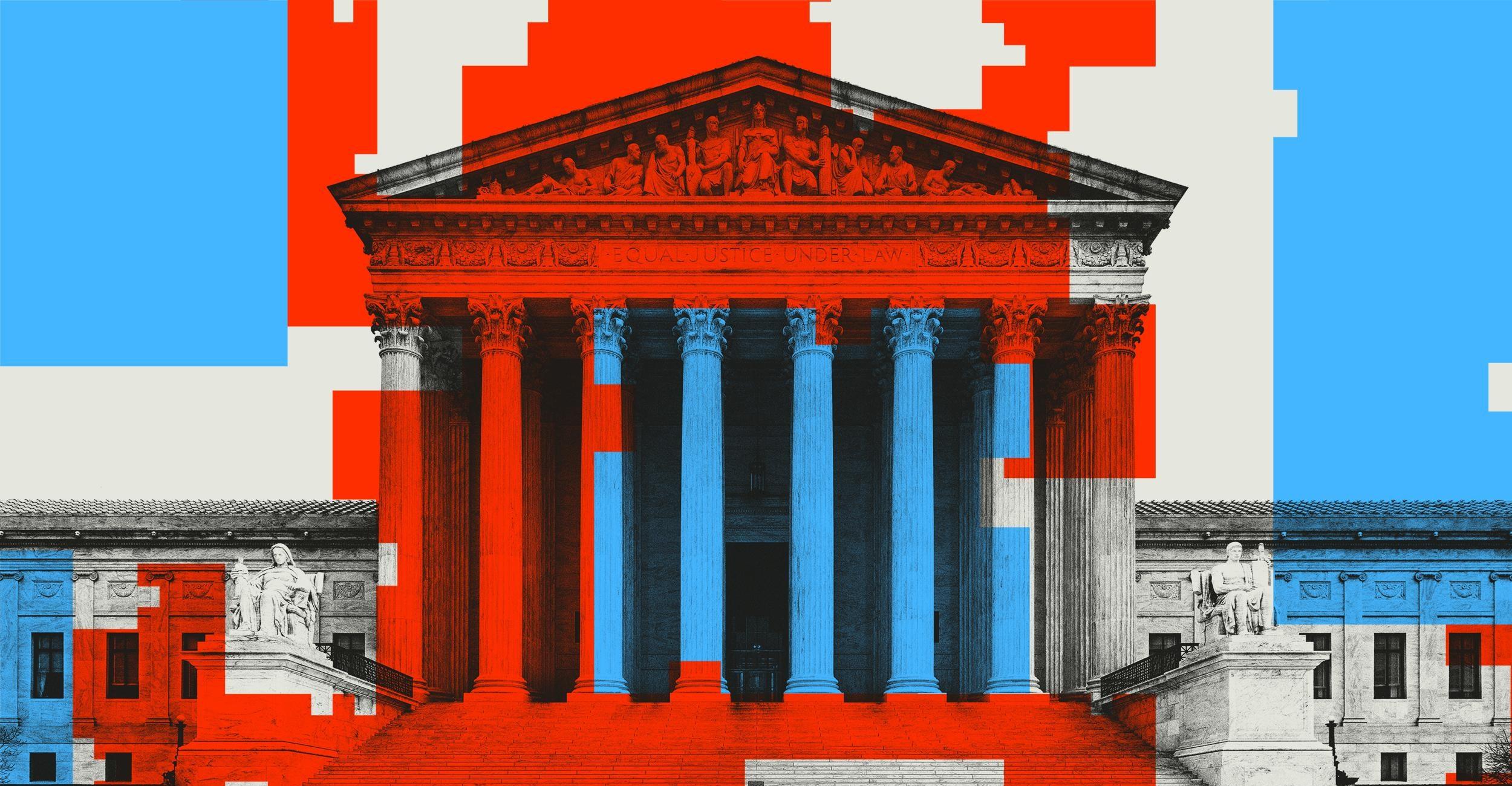
That court order, in a case known as United States v. Shilling, is now before the Supreme Court. The Trump administration’s primary argument — that it’s not banning trans military personnel, but merely banning service by people with gender dysphoria — is nonsensical, and the Court has repeatedly rejected similar arguments in the past.
According to the American Psychiatric Association, gender dysphoria refers to the “psychological distress that results from an incongruence between one’s sex assigned at birth and one’s gender identity” that is commonly experienced by transgender people. The government may no more recharacterize a ban on trans service as a ban on gender dysphoria than it could defend Jim Crow by recharacterizing it as a series of laws targeting people with high levels of melanin.
Nevertheless, so long as the Court follows its long history of showing extreme deference to the military, it seems exceedingly likely that the Trump administration will prevail in this case.
It is well-established that the government cannot evade a ban on discrimination by claiming that it is merely discriminating based on a trait that closely correlates with a particular identity. As the Supreme Court said in Bray v. Alexandria Women’s Health Clinic (1993), “a tax on wearing yarmulkes is a tax on Jews.”
Yet, while the Trump administration’s brief in the Shilling case is poorly argued, the Court is almost certain to reinstate the trans military ban, in part because the case is little more than a sequel to a fight that already played out in the first Trump administration.
During his first term, Trump’s government issued a similar ban on transgender military service — although the first-term ban did contain some exceptions that are not part of the second-term ban. Lower courts halted the first-term ban, but the Supreme Court voted 5-4, along party lines, to reinstate that ban in 2019. The Court has only moved further to the right since 2019, and Republicans now have a 6-3 supermajority among the justices.
The Supreme Court has long held that judges should defer to the military
It’s not clear that the first-term decisions reinstating the ban were wrongly decided under the Supreme Court’s precedents. The Court has long permitted the military to engage in activity that would clearly violate the Constitution in a civilian context.
In Goldman v. Weinberger (1986), for example, the Court held that the military could ban Jewish service members from wearing yarmulkes while in uniform. As the Court explained, its “review of military regulations challenged on First Amendment grounds is far more deferential than constitutional review of similar laws or regulations designed for civilian society.” The military, Goldman reasoned, “must foster instinctive obedience, unity, commitment, and esprit de corps,” and that justifies imposing restrictions on service members that would normally violate the Constitution.
The Court has even held that the military may engage in explicit sex discrimination — a fact that is highly relevant to the Shilling case because the Court held in Bostock v. Clayton County (2020) that discrimination against transgender workers is a form of illegal sex discrimination.
In Rostker v. Goldberg (1981), the Court upheld the federal law that requires men, but not women, to register for the draft. While this kind of explicit sex discrimination would be unconstitutional in virtually any other context, Rostker explained that the courts owe extraordinary deference to Congress in matters of “national defense and military affairs.”
Given these precedents, the plaintiffs challenging Trump’s transgender service ban always faced an uphill climb. And that’s doubly true because the Court’s current majority has not been particularly sympathetic to constitutional claims brought by trans litigants.
As Judge Benjamin Settle, the district judge who blocked Trump’s second-term ban, explained in his opinion, this ban is likely to do considerable harm to the United States. The named plaintiff in the Shilling case is Commander Emily Shilling, a pilot with 19 years of military service who has flown 60 combat missions. Shilling alleges, without any contradiction from the government, that the Navy spent $20 million to train her. All of that expertise will now be lost to the US military.
But the Constitution does not forbid the government from self-harm. And the Supreme Court’s precedents permit the military to discriminate in ways that other institutions cannot, which is bad news for people targeted by Trump’s transgender service ban.

Trump is trying to overturn an election that hasn’t happened yet
- 15 hours ago
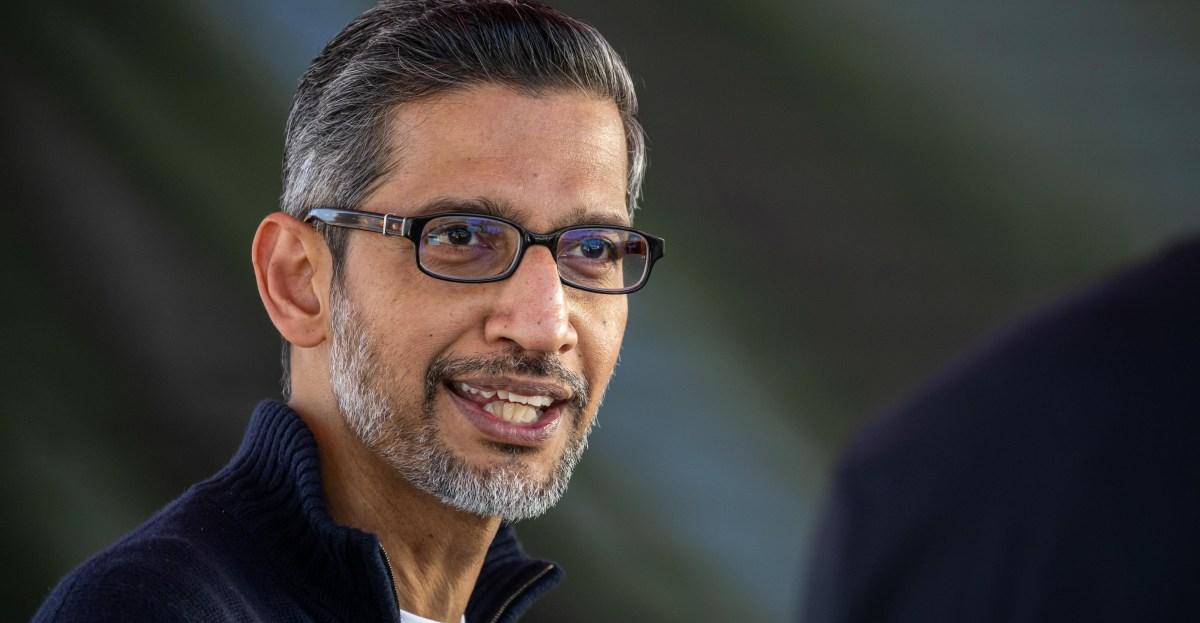
Trump says Sundar Pichai talked him out of renaming the Atlantic Ocean
- 8 hours ago

Samsung’s latest 55-inch Frame TV is down to its lowest price yet
- 8 hours ago

Sure, let’s smoosh SpaceX and Tesla together, who cares
- 8 hours ago
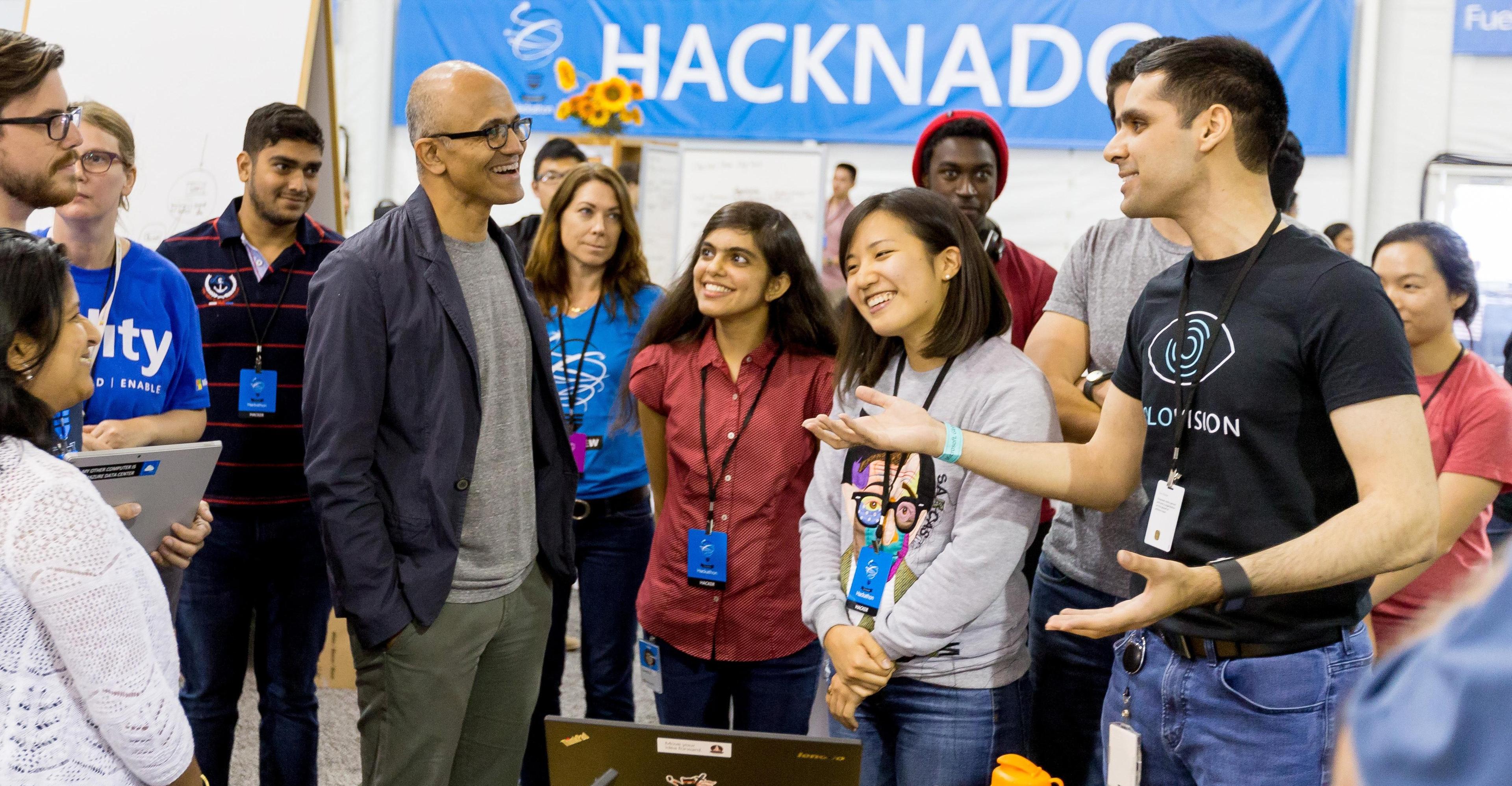
Microsoft shuts down its beloved maker space
- 8 hours ago
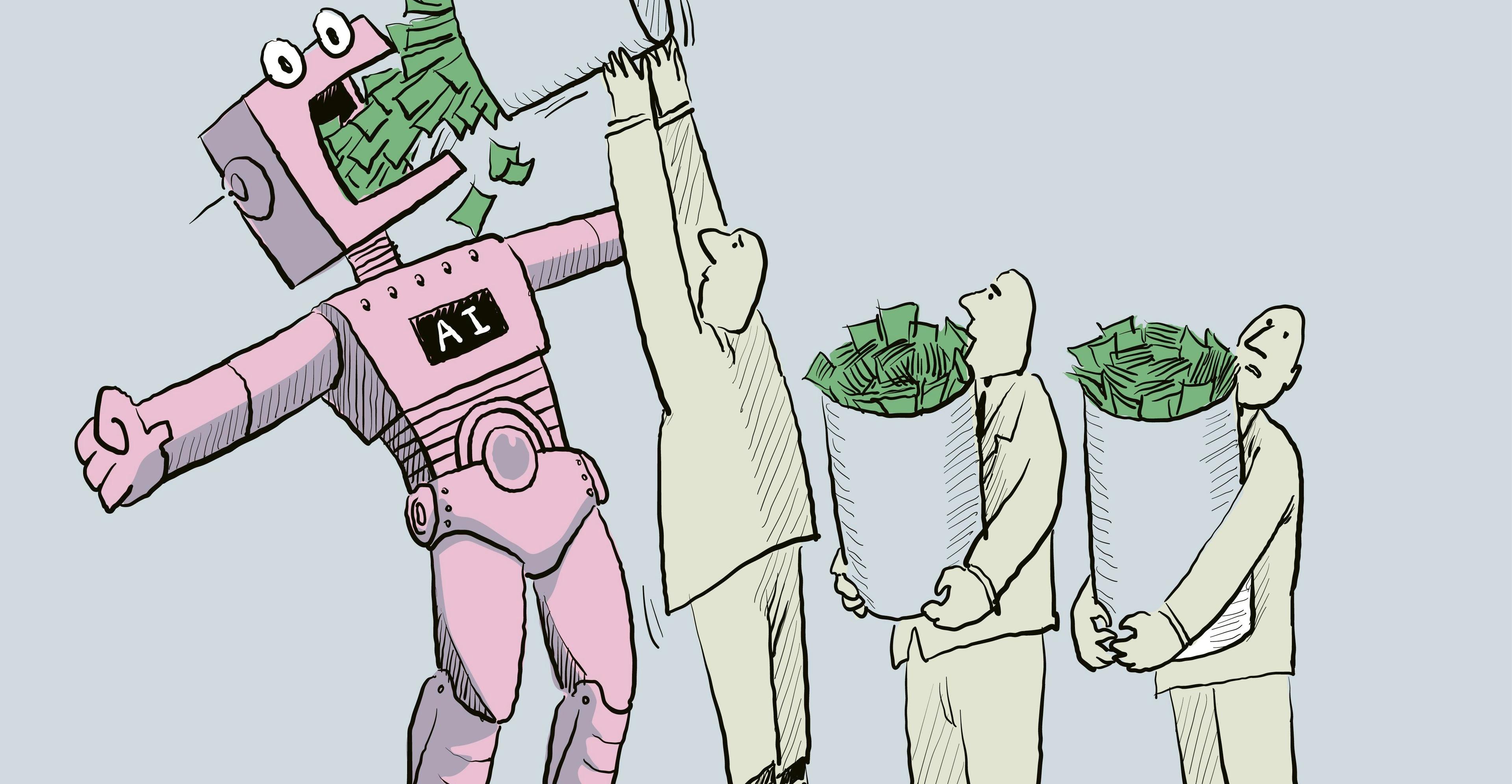
Should you let a chatbot manage your money?
- 15 hours ago

Agha back but no Rizwan for Pakistan following England debacle
- a day ago

Jack Dorsey’s Block made an AI model that talks to you like an awkward new friend
- 8 hours ago

Apple will label apps that are ‘Made for iPhone Duo’
- 8 hours ago

OpenAI now trains its frontier AI models with no internet access
- 8 hours ago

Delta can turn the iPhone Duo into your favorite folding handheld
- 8 hours ago

PHP: The three little letters wreaking havoc across the web
- 8 hours ago
You May Like

Trending