Technology
- Home
- Technology
- News
Space sector eyes further investment growth in 2026 after record year
U.S. leads with $7.3 billion in space funding, driven by defense programs

Published 9 months ago on Jan 19th 2026, 9:54 pm
By Web Desk
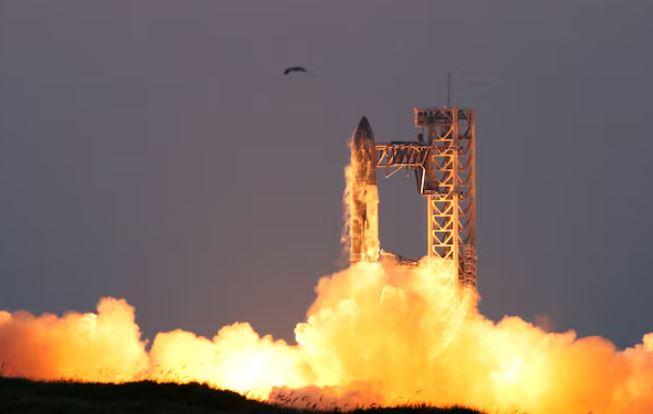
Reuters: Global investment in space technology is poised to climb further in 2026, propelled by government spending on defense-linked satellite systems and private sector bets on launch capacity, investment firm Seraphim Space said on Monday.
Space infrastructure is being increasingly viewed as a strategic national priority, with countries competing for investments to secure a geopolitical advantage.
Investors expect the funding momentum to be driven by spending on sovereign satellite and missile-defense systems, integration of AI into space hardware and analytics, and the prospect of a SpaceX IPO, Seraphim Space said.
"A potential SpaceX IPO could act as a powerful catalyst, further validating SpaceTech as a mainstream asset class and opening a clearer path to IPOs for a growing cohort of late-stage SpaceTech companies," said Lucas Bishop, investment analyst at Seraphim Space.
Investments in the sector hit record levels in 2025, with private investment growing 48% to $12.4 billion, including $3.8 billion in the final quarter, according to data from Seraphim Space.
Funding surpassed the previous peak set in 2021 and marked a full recovery from the sector's 2022 downturn, outperforming the broader venture capital market.The U.S. dominated investment last year with $7.3 billion, or about 60% of global funding, driven by heavy spending on launch services and defense-related programs such as the Pentagon's Golden Dome initiative.
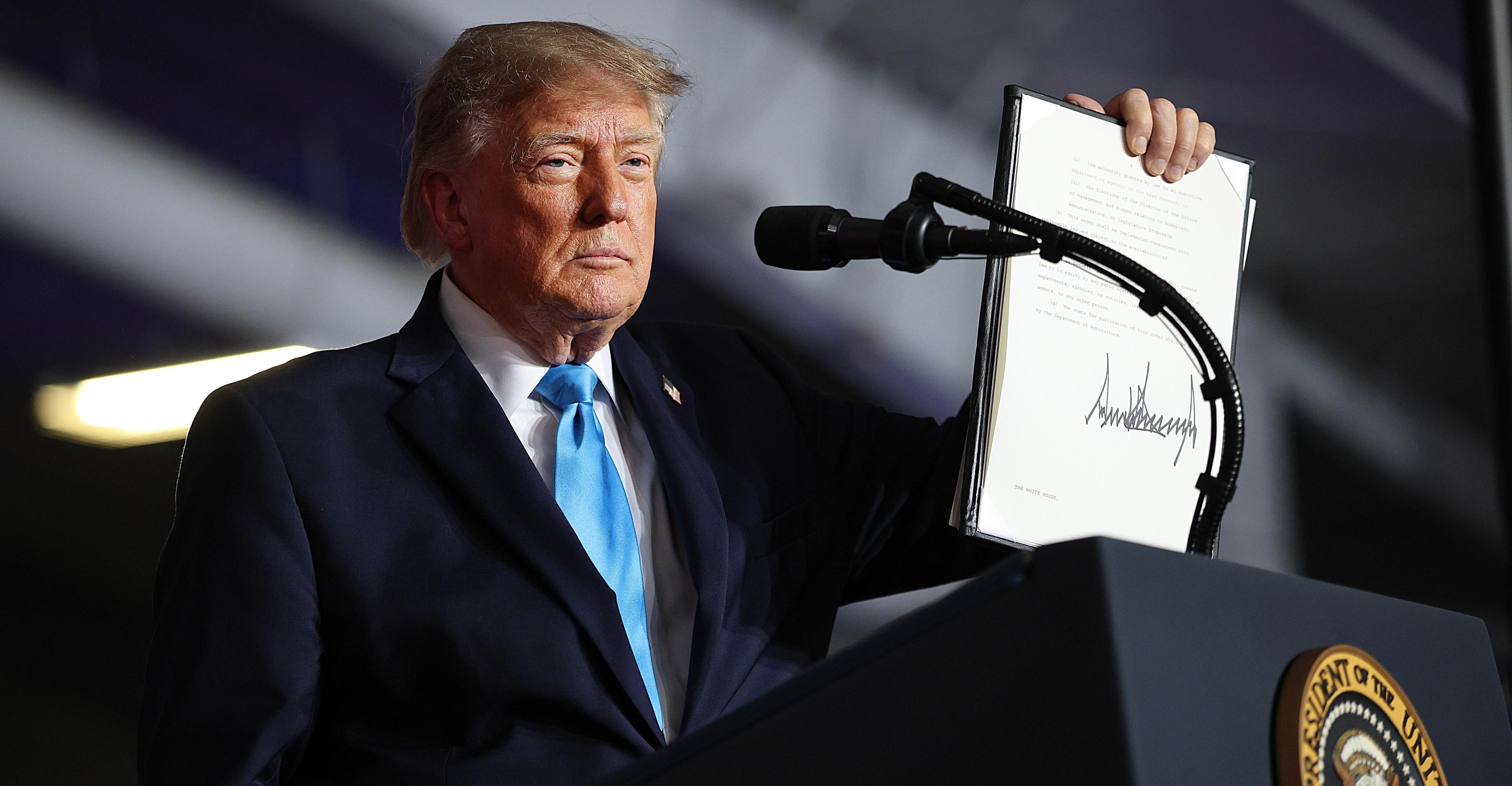
U.S. President Donald Trump signed an executive order in December designating space as a core national security and economic priority, a move investors expect to lift funding for the sector.
The sector saw more modest growth in Europe, while investments in Asia remained elevated, with China contributing roughly $2 billion as it accelerated domestic launch and satellite manufacturing.

PM Shehbaz calls for comprehensive strategy to combat diabetes
- 14 hours ago

Anthropic bans ‘abusive or cruel behavior’ towards Claude
- a day ago

President Zardari and PM Shehbaz 'agree' on imposition of emergency in KP: sources
- 9 hours ago

No one wants to be “Data Center Dave”
- a day ago

Pakistan calls for immediate de-escalation of Ukraine conflict
- 13 hours ago
UPDATE: DITKA DEAD AT 86...
- 40 minutes ago

Disney Plus will stream Super Bowl LXI
- 2 hours ago

Pilot among three Saudi nationals killed in attacks on Riyadh airport, authorities say
- a day ago

Saudi-led coalition says destroyed more than 100 Houthi targets
- 15 hours ago

Is this the cure for Alzheimer’s?
- a day ago

Xbox is launching a new film and TV division
- a day ago

What if making your neighborhood safer means breaking the rules?
- a day ago
You May Like



Trending