Technology
- Home
- Technology
- News
Chromebooks train schoolkids to be loyal customers, internal Google document suggests
Internal documents revealed as part of a child safety lawsuit hint at Google's plan to "onboard kids" into its ecosystem by investing in schools. In this November 2020 presentation, Google writes that getting kids into its ecosystem "leads to brand trust and …

Published 9 months ago on Jan 28th 2026, 2:00 pm
By Web Desk
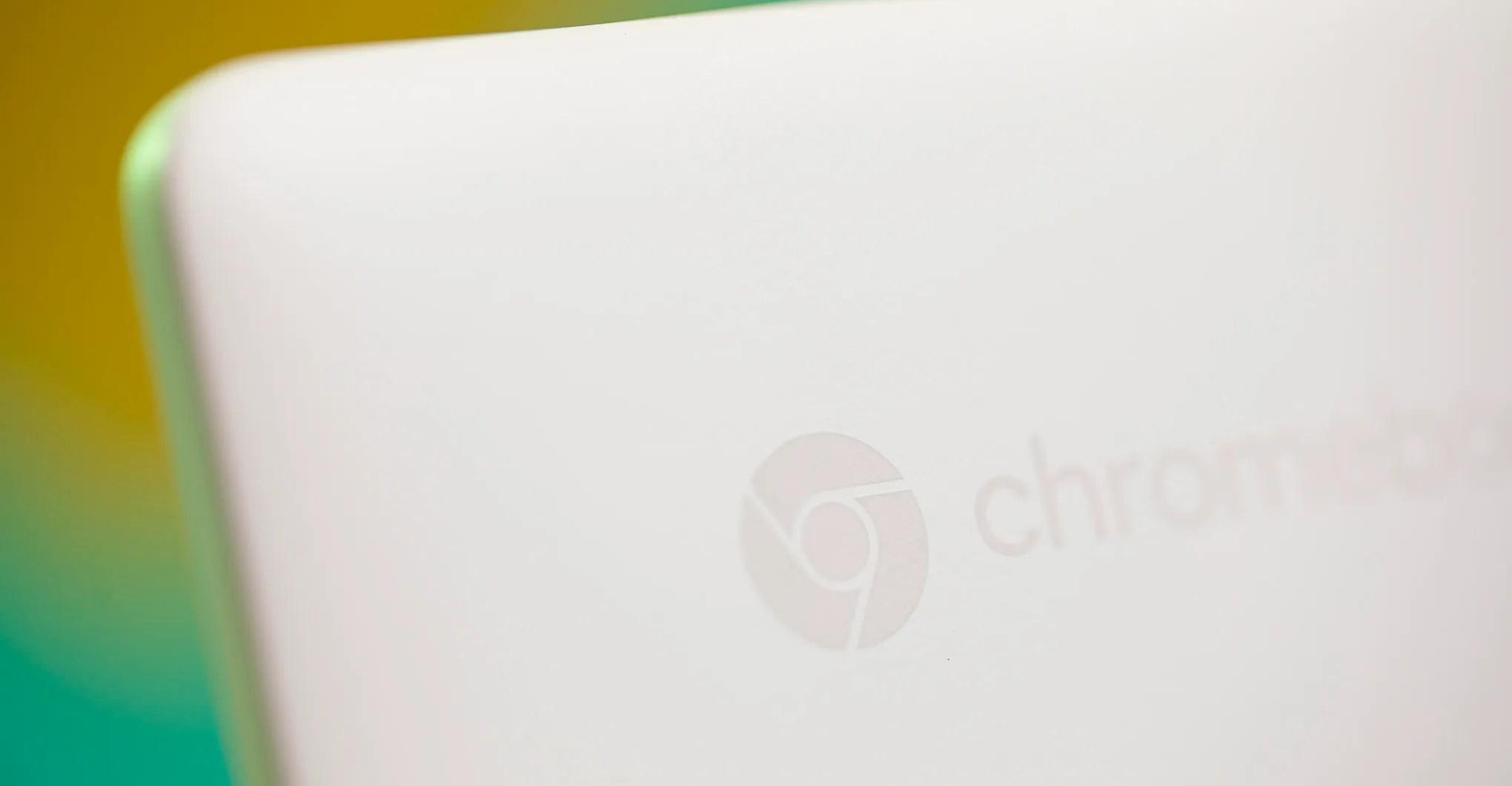
Internal documents revealed as part of a child safety lawsuit hint at Google’s plan to “onboard kids” into its ecosystem by investing in schools. In this November 2020 presentation, Google writes that getting kids into its ecosystem “leads to brand trust and loyalty over their lifetime,” as reported earlier by NBC News.
The heavily-redacted documents, which surfaced earlier this week, are linked to a massive lawsuit filed by several school districts, families, and state attorneys general, accusing Google, Meta, ByteDance, and Snap of creating “addictive and dangerous” products that have harmed young users’ mental health. (Snap settled earlier this week).
Google has spent over a decade investing in products built for education, while establishing Chromebooks as a classroom staple. The 2020 document also includes a study on how the laptop brands used in schools have an “influence on purchase patterns.”
[Image: https://platform.theverge.com/wp-content/uploads/sites/2/2026/01/google-onboarding-kids.png?quality=90&strip=all]
Another slide in the presentation highlights a 2017 story from The New York Times, bolding a quote that says Google is part of a battle to “hook students as future customers.” This quote appears multiple times in the presentation: “If you get someone on your operating system early, then you get that loyalty early, and potentially for life.” The document also suggests that YouTube in schools could create a “pipeline of future users” and creators.
At the same time, other slides discuss some of the challenges associated with bringing YouTube to schools, including how the platform is “often blocked” and how “efforts to make YouTube safe for schools have yet to work.” The documents also acknowledge the potential impact of YouTube on mental health, with one 2024 presentation showing a slide that says “many regret time lost when they unintentionally ‘go down the rabbit hole,’” or that YouTube “‘distracted’ them from work or even getting to bed on time.”’
[Image: https://platform.theverge.com/wp-content/uploads/sites/2/2026/01/youtube-blocked.png?quality=90&strip=all]
In an emailed statement to The Verge, Google spokesperson Jack Malon says the documents “mischaracterize” the company’s work. “YouTube does not market directly to schools and we have responded to meet the strong demand from educators for high-quality, curriculum-aligned content,” Malon says. “Administrators maintain full control over platform usage and YouTube requires schools to obtain parental consent before granting access to YouTube for students under 18.”
Jury selection for the social media addiction trial will start on January 27th, 2026.

Colleges can do more to prevent sexual assault. Here’s where to start.
- 9 hours ago

How to ban gerrymandering when the Supreme Court is stacked against you
- 9 hours ago

PM Shehbaz sets illustrative wheat price at Rs4,500 per 40kg for 2027
- 18 hours ago

FinMin Aurangzeb, WB discuss Pakistan's economic reform agenda
- 19 hours ago

What Christina Applegate’s misdiagnosis reveals about MS
- a day ago

SpaceX will try catching Starship and its booster for first time, Musk says
- 11 hours ago
Xbox Cloud Gaming’s pay-as-you-go option starts at $3.99 for 10 hours
- 2 hours ago
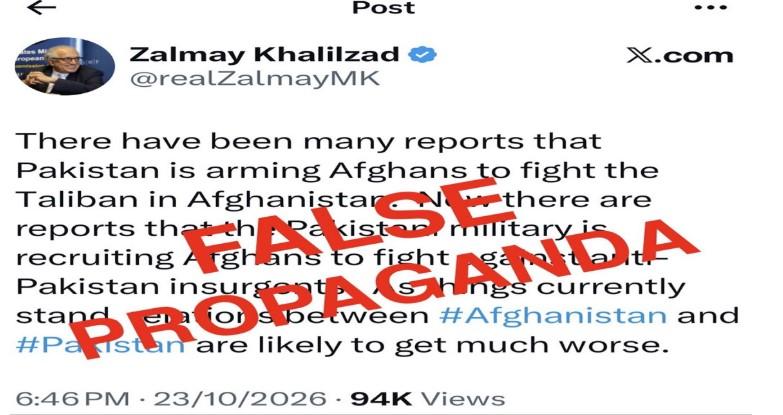
Pakistan rejects Khalilzad's allegations of arming Afghans
- 8 minutes ago

Field Marshal Munir vows total defeat of terrorists with public support
- a day ago
JustWatch now streams TV shows and movies, too
- 11 hours ago

10 terrorists, including one female, killed in Gwadar: ISPR
- a day ago

US military bans BYD vehicles from strategic air base in Japan
- a day ago
You May Like


Trending