This story appeared in Today, Explained, a daily newsletter that helps you understand the most compelling news and stories of the day. Subscribe here. The January 6, 2021, attack on the US Capitol produced some extraordinary images. But for sheer narrative dr…

Published 7 months ago on Feb 28th 2026, 7:00 am
By Web Desk
This story appeared in Today, Explained, a daily newsletter that helps you understand the most compelling news and stories of the day. Subscribe here.
The January 6, 2021, attack on the US Capitol produced some extraordinary images. But for sheer narrative drama, look to the South Koreans.
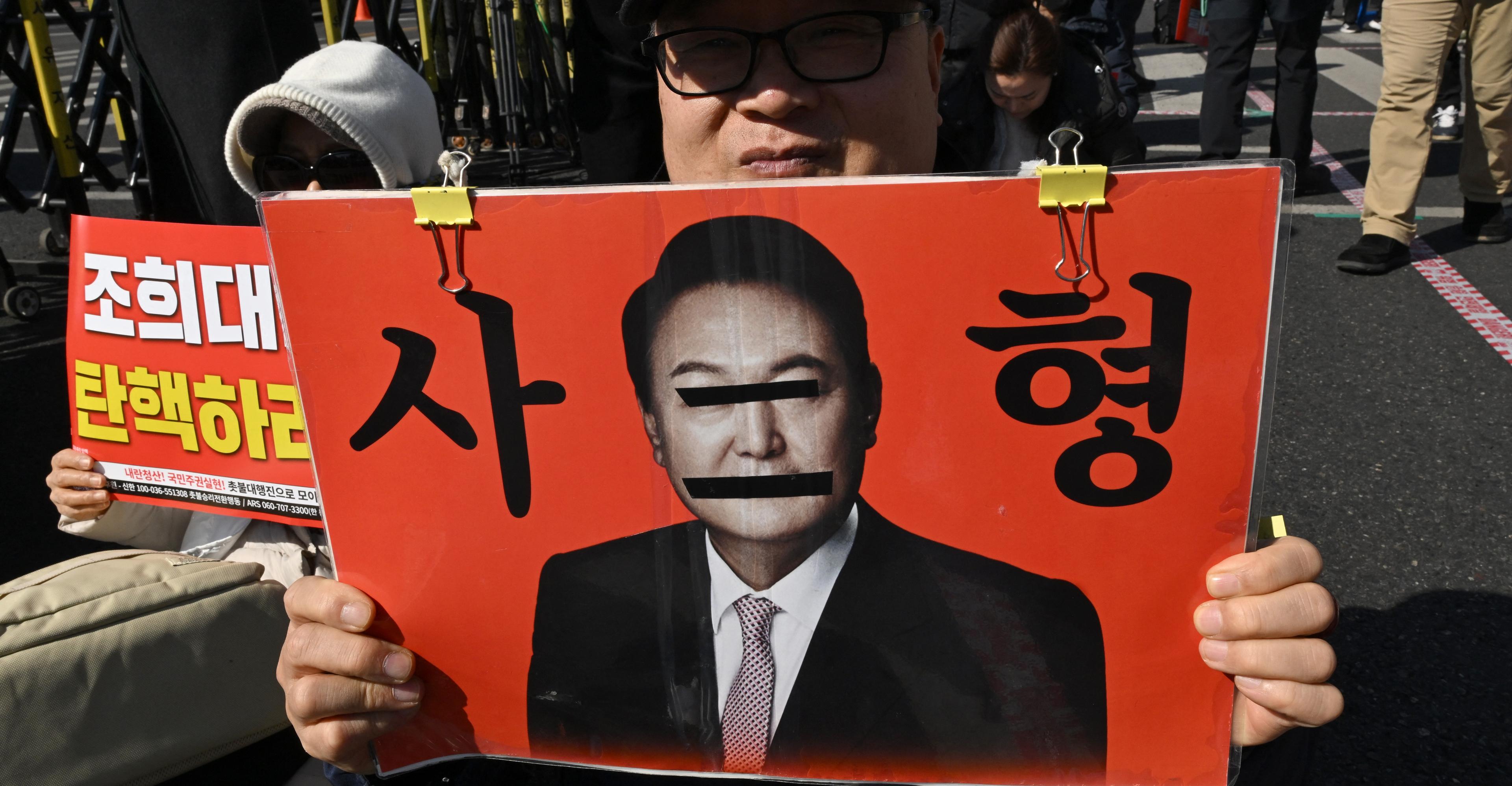
In the dead of night on December 3, 2024, former South Korean President Yoon Suk Yeol announced — on live TV — that he was imposing martial law. Over the next several hours, thousands of Korean protesters massed outside the national parliament building while special forces troops helicoptered onto the lawn.
Nearly 200 lawmakers barricaded themselves inside to unanimously vote down the martial law declaration. In one of the most famous images from the night, opposition chief and now-President Lee Jae Myung leapt a fence to enter the legislature after police blocked the doors.
Both the jump — and the vote — succeeded: Yoon was impeached, removed from office and just last week, sentenced to prison. One Korean expert described the verdict as “a rare example of democratic resilience” in an interview with the BBC.
South Korea’s political leaders deserve some credit for that outcome. Though the country is deeply polarized, leaders in both Yoon’s party and the opposition mobilized quickly to end his attempted insurrection.
But new research by Korean scholars also points to another, equally important story: Ordinary Korean citizens saw the authoritarian threat as so obvious and so urgent that they too mobilized against it.
Koreans highly value their young democracy. The country elected its first president of the modern era in 1987, after toppling a military dictatorship. Since then, South Korea has cycled through progressive and conservative leaders — and endured repeated corruption scandals. Yoon, a relative political newcomer and former prosecutor general who helmed the corruption case against disgraced former President Park Geun-hye, rode a wave of anti-incumbent sentiment to the presidency in 2022.
Once in office, however, Yoon struggled to make a mark. He lost the 2024 midterms. Plagued by low approval ratings and openly nostalgic for South Korea’s prior dictatorship, Yoon grew increasingly paranoid about Communist infiltration. When he declared martial law in December 2024, it was on the pretext of protecting the country from North Korean sympathizers and other “anti-state” forces.
But Korean citizens largely (if not entirely) rejected this narrative. The country has an unusually active culture of protest, rooted in the successful movement to overthrow the military dictatorship. That history helps explain why thousands mobilized within minutes to contest Yoon’s declaration.
“The high level of civic awareness and voluntary participation was essential in restoring democratic resilience,” professors Lee Jae-seung and Lee Dae-joong write in a 2025 paper extracting lessons from the Korean crisis.
“While a smaller number of citizens might have been easily overpowered by the military, they exhibited no fear of the armed forces and instead actively sought to confront them. Some demonstrated extraordinary courage by physically blocking the paths of armoured vehicles with their bodies,” Lee and Lee continue. Without them, the scholars conclude, Yoon may have arrested — and even potentially executed — some lawmakers before parliament could vote to override the martial law declaration.
In many ways, this episode challenges conventional thinking about democratic resilience. Political scientists and democracy activists typically focus on structural factors (development level, polarization), institutional design (presidential versus parliamentary systems), or raw power politics (how many seats the executive’s party controls) to explain why authoritarians succeed or fail.
All these things matter — there’s no one-size-fits-all theory of democratic collapse — but how ordinary people understand and respond to the threat matters, too. South Korea shows that when people are convinced that there’s a threat to their political freedoms, they’ll go to extraordinary lengths to defend them.
The actionable advice here is straightforward: People with political influence and platforms need to work to make the authoritarian threat more obvious to more people. The survival of democracy may depend — to an extent not fully appreciated — on ordinary citizens’ narratives and perceptions.
Pakistan committed to peaceful outcome of Iran-US conflict: DG ISPR
- 11 hours ago
Doxxing Jane Doe
- 13 hours ago
Pakistan on frontlines of climate chaos despite minimal emissions: UN chief
- a day ago

Bahrain praises professionalism of Pakistan Armed Forces
- a day ago

The rise of gas station opioids
- 20 hours ago
Security forces neutralise seven terrorists in North Waziristan IBO: ISPR
- 11 hours ago
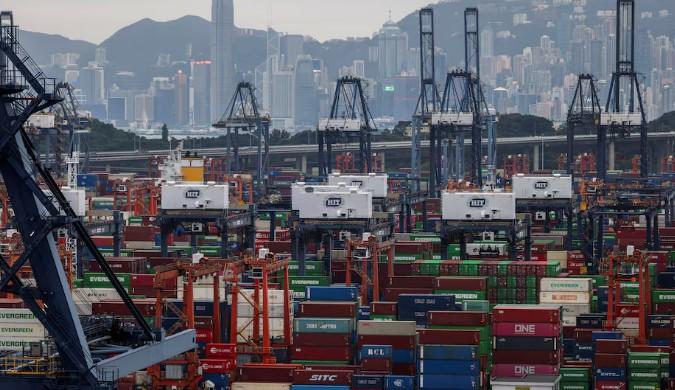
World economic growth to slow to 2.6pc in 2026, UN trade body says
- 7 hours ago
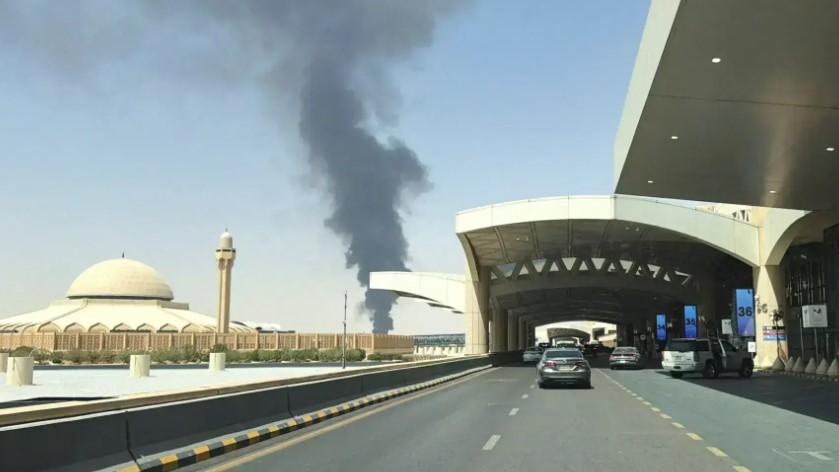
Pilot among three Saudi nationals killed in attacks on Riyadh airport, authorities say
- 5 hours ago
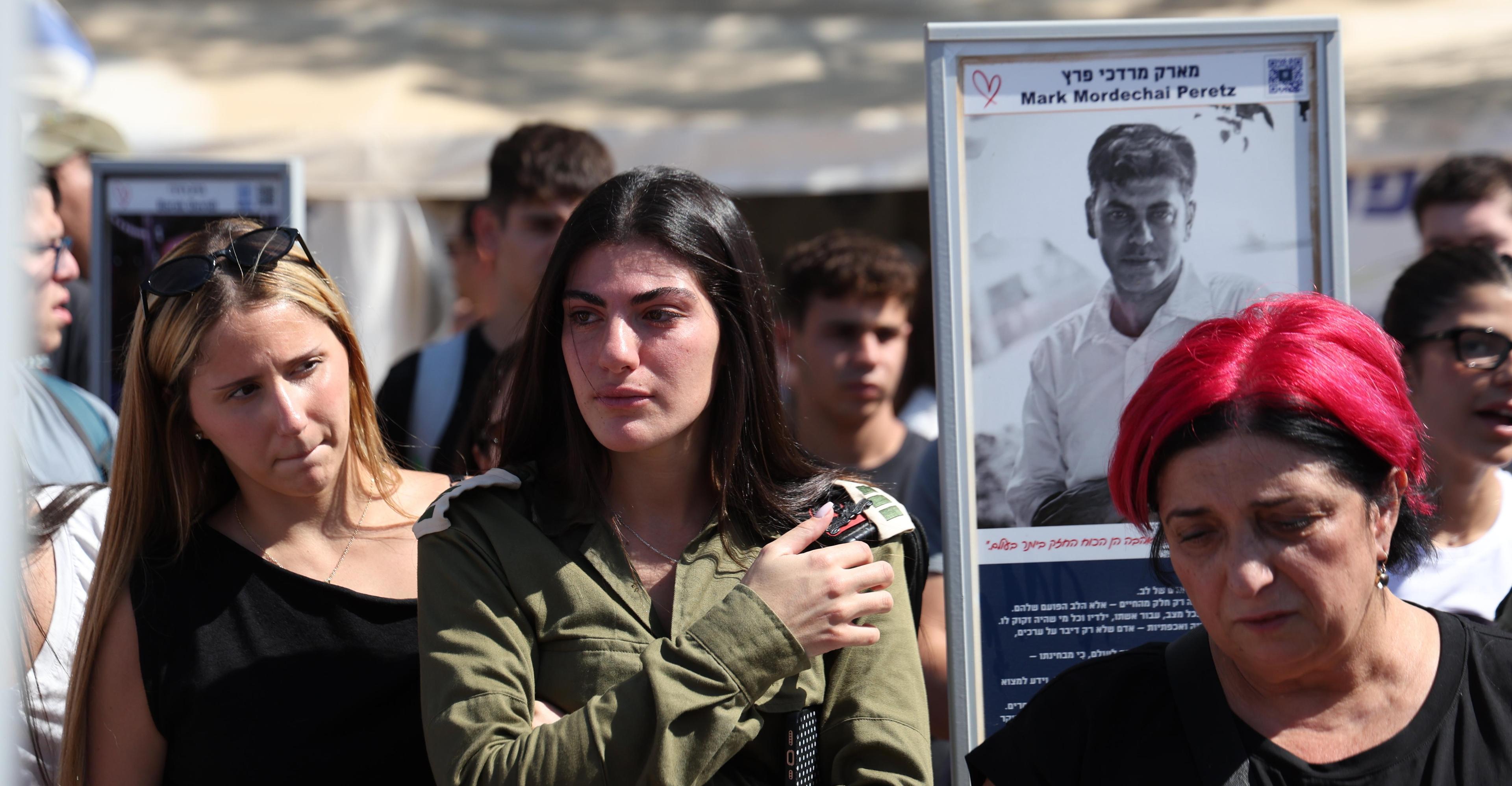
How October 7 changed everything
- 20 hours ago
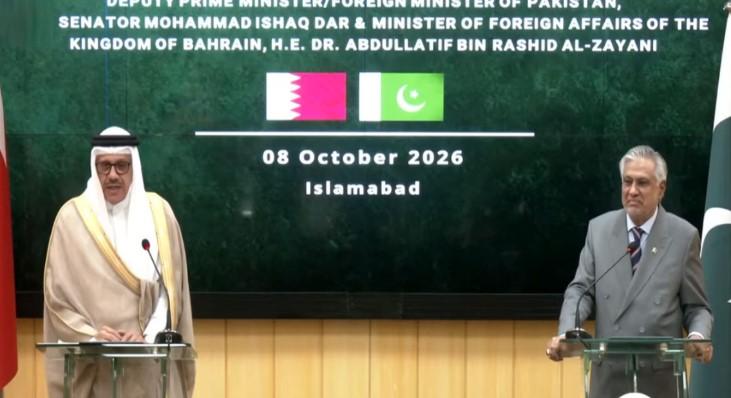
Pakistan, Bahrain to enhance cooperation in diverse sectors
- a day ago

Redwoods are natural magic kingdoms. Extreme heat is breaking their spell.
- 11 hours ago

The cruelty of a beloved American pastime
- 20 hours ago
You May Like

Trending