
Technology
- Home
- Technology
- News
This robotic self-driving toilet comes to you
During a recent expo in Shanghai that focuses on elderly care, assistive devices, and rehabilitation medicine, a Chinese company called Yueban debuted a smart toilet that does something we haven't seen before; it comes to you. The autonomous self-driving Xiao…

Published 4 months ago on Jun 20th 2026, 5:00 am
By Web Desk
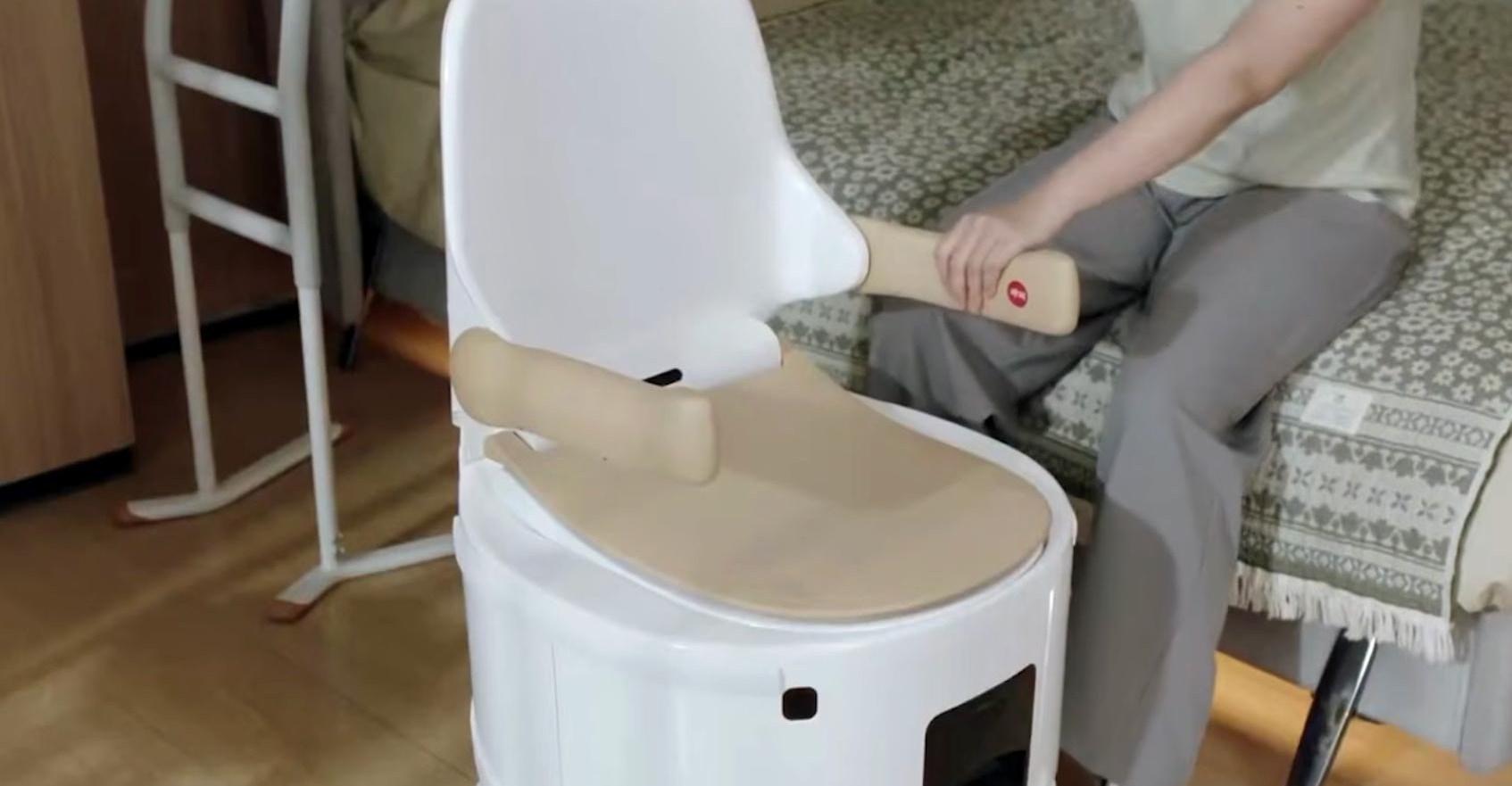
During a recent expo in Shanghai that focuses on elderly care, assistive devices, and rehabilitation medicine, a Chinese company called Yueban debuted a smart toilet that does something we haven’t seen before; it comes to you. The autonomous self-driving Xiaoban toilet was designed to improve accessibility for those dealing with mobility issues due to age, injuries, or disabilities. It’s expected to sell for ¥28,999 yuan in China, or nearly $4,300, according to IT Home, but global availability hasn’t been confirmed.
The Xiaoban toilet uses technology similar to what’s found in the most advanced robot vacuums. A suite of sensors, including lidar and ultrasonic, are used to autonomously plan safe routes through a home or care facility that avoid obstacles and stairs when it’s been summoned by a remote or voice commands. The user may still need assistance with actually getting onto the toilet, but it saves them from having to relocate to a bathroom. Based on videos of the Xiaoban in action, it also appears to handle nearly everything else.
[Media: https://www.youtube.com/watch?v=KZLeV9PyTZU]
In lieu of paper, the toilet features both a built-in bidet and a warm air drying mechanism for cleaning the user, plus a system that self-cleans the bowl and seals waste inside an enclosed receptacle. That, along with ultraviolet lights that are used to kill bacteria, will help to minimize odors and potentially reduce the stigma of using a toilet away from a bathroom.
[Image: The Xiaoban smart toilet can empty waste into a traditional toilet using an extending robot arm. https://platform.theverge.com/wp-content/uploads/sites/2/2026/06/toilet2.jpg?quality=90&strip=all]
After the user is finished, the toilet will head to one of two places. If its charging dock is connected to plumbing and drainage the Xiaoban will first go there to recharge, refill its reservoirs, and empty the collected waste after it’s been pulverized to prevent blockages. If the dock lacks drainage, the toilet will instead first stop at a bathroom where an extending arm will pump the waste into a traditional toilet so it can be flushed away. While the Xiaoban doesn’t entirely replace caregivers, it does make their job a lot easier by eliminating the need to assist someone getting to a bathroom, and handling most of the cleanup afterwards.
[Media: https://www.youtube.com/watch?v=7pslcbV5250]

No one wants to be “Data Center Dave”
- 14 hours ago
Anthropic bans ‘abusive or cruel behavior’ towards Claude
- 16 hours ago

PM Shehbaz calls for comprehensive strategy to combat diabetes
- 4 hours ago

Xbox is launching a new film and TV division
- 16 hours ago

Is this the cure for Alzheimer’s?
- 14 hours ago

Pilot among three Saudi nationals killed in attacks on Riyadh airport, authorities say
- a day ago

Pakistan committed to peaceful outcome of Iran-US conflict: DG ISPR
- a day ago

What if making your neighborhood safer means breaking the rules?
- 14 hours ago

Saudi-led coalition says destroyed more than 100 Houthi targets
- 5 hours ago

World economic growth to slow to 2.6pc in 2026, UN trade body says
- a day ago

Redwoods are natural magic kingdoms. Extreme heat is breaking their spell.
- a day ago

Pakistan calls for immediate de-escalation of Ukraine conflict
- 3 hours ago
You May Like



Trending