Yoo-hoo! Anyone home? Not everyone has a community, but nearly all of us have neighbors — which is why having good relationships with the people who live near you really matters. Unfortunately, Americans aren’t doing great in this regard. According to a 202…

Published 4 months ago on Jul 6th 2026, 4:00 pm
By Web Desk
Yoo-hoo! Anyone home?
Not everyone has a community, but nearly all of us have neighbors — which is why having good relationships with the people who live near you really matters.
Unfortunately, Americans aren’t doing great in this regard. According to a 2025 Pew Research Center survey, only 26 percent of adults in the US say they know all or most of their neighbors, down from 31 percent in 2018. The good news is that overall trust is pretty high: 90 percent of adults say they trust some, most, or all of the people in their neighborhood. But the people who are most likely to know and trust their neighbors are generally older, higher-income white Americans living in rural or suburban areas who attend religious services regularly, which leaves a lot of us out.
So, there’s good reason to try to get these numbers up: As multiple experts told Vox, knowing your neighbors is critical for everyone’s mental and physical health. Having a strong local community can quite literally be lifesaving, something that isn’t theoretical in a moment when extreme weather events are increasingly common, and ICE raids have left many folks extremely vulnerable when they are at home. It’s also just nice! These low-stakes, casual connections can be incredibly easy, pleasant, and affirming. Done right, it can make living in close proximity to others feel like a classic sitcom.
Of course, neighbor connections aren’t all hunky-dory; when things go wrong, they can really go wrong. Because these relationships are so connected to our private domains (and, thus, our sense of privacy, security, and identity), conflicts can escalate quickly and get very weird. Learning to navigate them with grace and empathy is especially important when technology makes it easier for us to see and make contact with the people next door — for better or for worse.
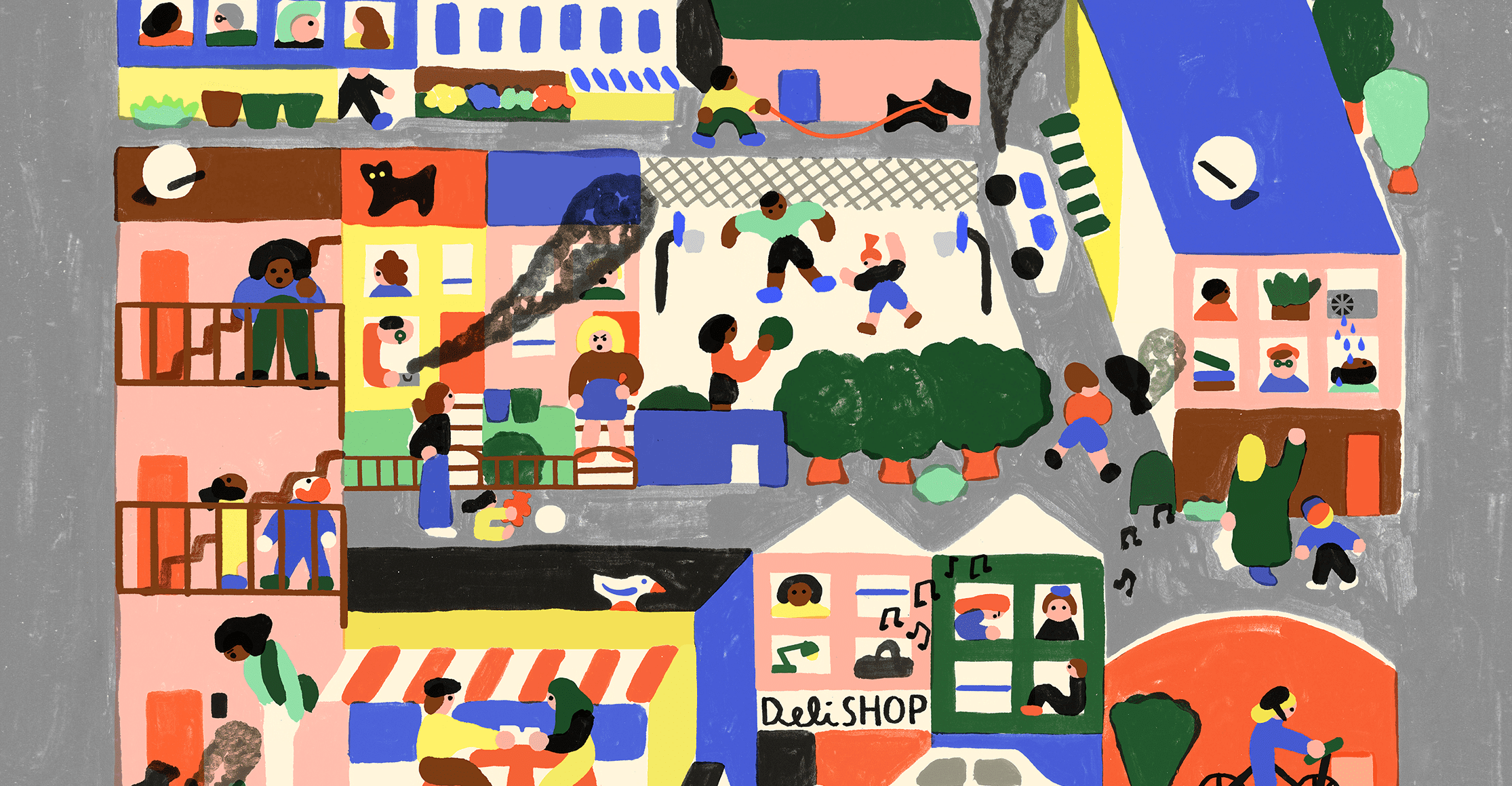
This week, Even Better is exploring the many ways we relate to the people who live in close proximity to us and how we can turn neighbors into friends (or, at least, better ensure they don’t become enemies). We’ll dig into what doorbell camera surveillance is doing to our collective psyche; explore the art of the often-hostile, often-futile neighbor note; share ways to actually get to know your neighbors; and more. We hope this collection of stories inspires you to give a friendly wave, introduce yourself, ask to borrow a cup of sugar, or otherwise reach out. Knock-knock!

10 terrorists, including one female, killed in Gwadar: ISPR
- a day ago

Saudi forces say intercepted two Houthi missiles targeting Yanbu, Taif
- 6 hours ago

SpaceX will try catching Starship and its booster for first time, Musk says
- 18 hours ago
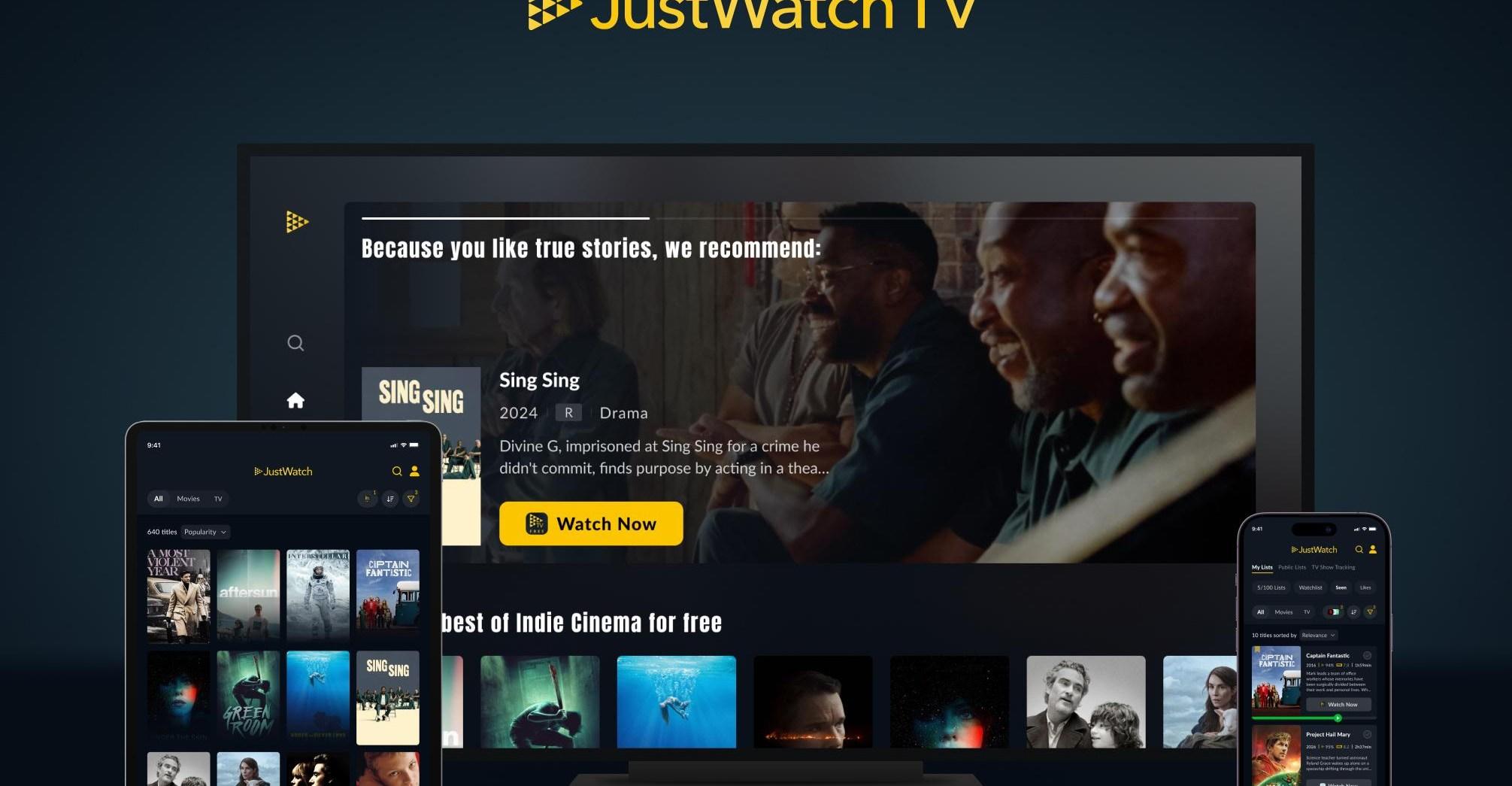
JustWatch now streams TV shows and movies, too
- 18 hours ago

Pakistan rejects Khalilzad's allegations of arming Afghans
- 7 hours ago

Colleges can do more to prevent sexual assault. Here’s where to start.
- 16 hours ago

Xbox Cloud Gaming’s pay-as-you-go option starts at $3.99 for 10 hours
- 9 hours ago

FinMin Aurangzeb, WB discuss Pakistan's economic reform agenda
- a day ago

PM Shehbaz sets illustrative wheat price at Rs4,500 per 40kg for 2027
- a day ago

US military bans BYD vehicles from strategic air base in Japan
- a day ago

How to ban gerrymandering when the Supreme Court is stacked against you
- 16 hours ago

Agha back but no Rizwan for Pakistan following England debacle
- an hour ago
You May Like





Trending