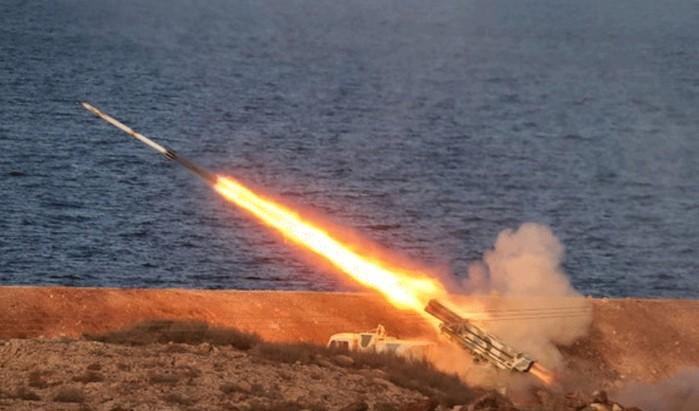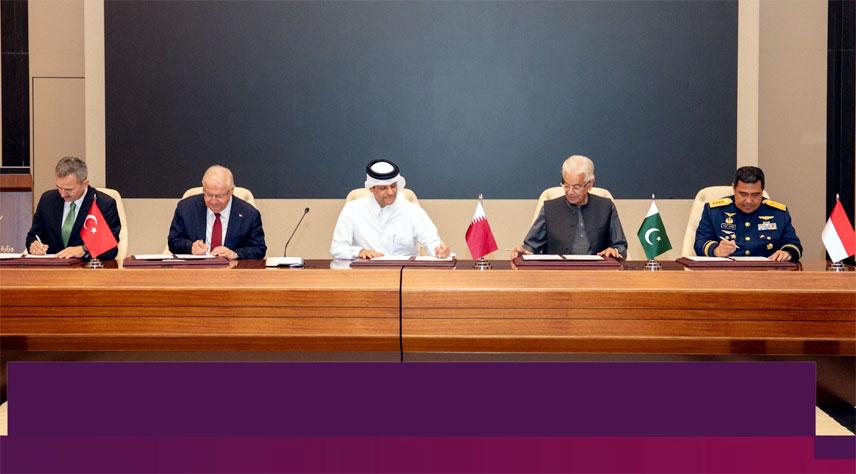
Control of the Strait of Hormuz, a vital route for global oil supplies, has become one of the main battlegrounds of the conflict. Iran’s effective blockade of the strait has pushed up energy prices and increased concerns about inflation globally

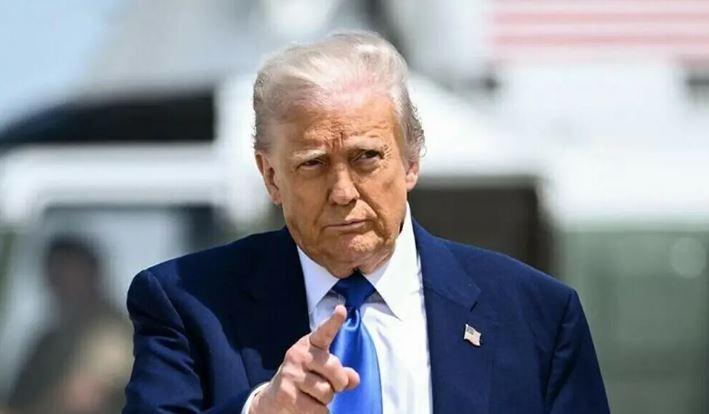
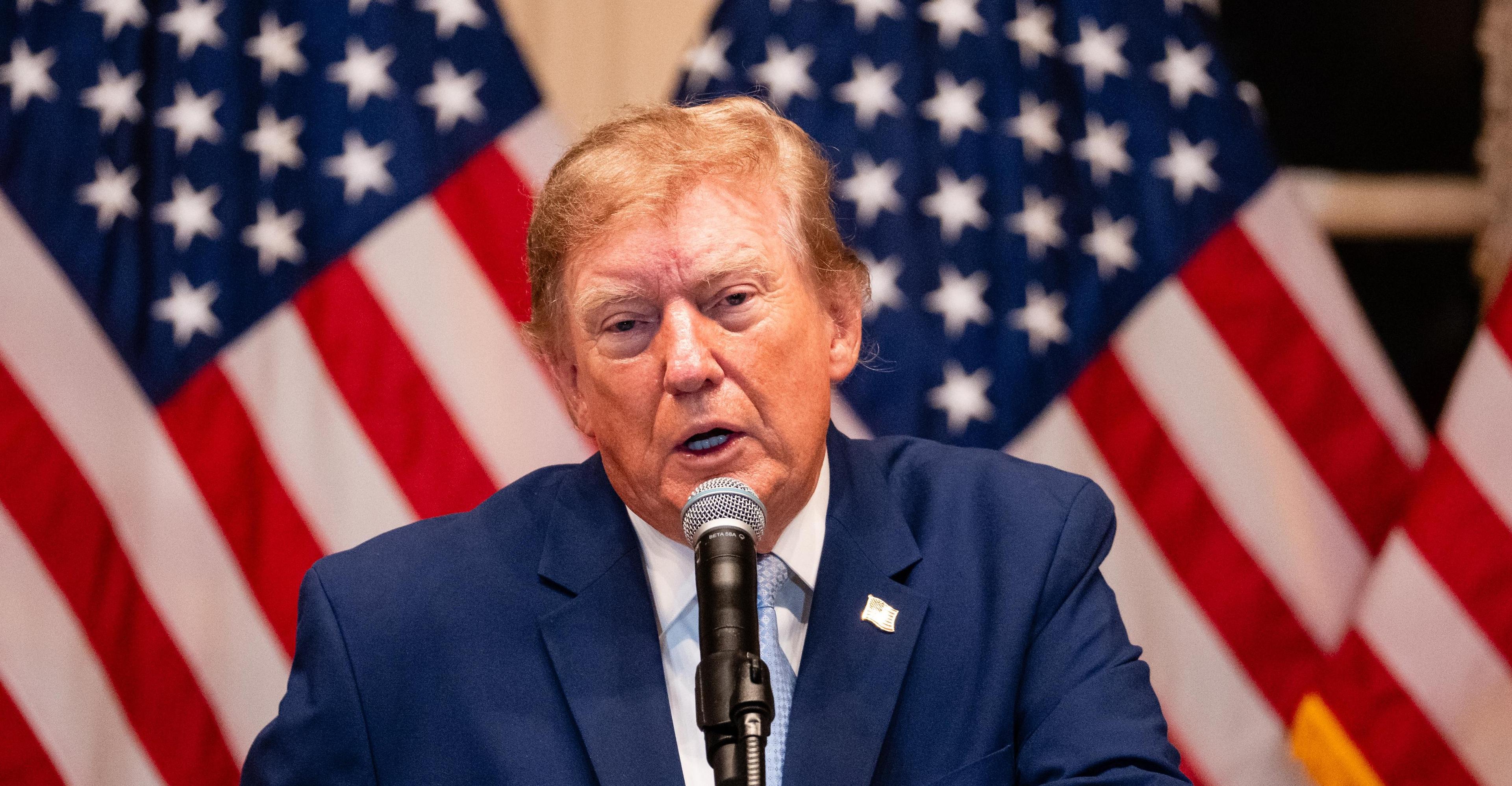
WASHINGTON (Reuters) -- President Donald Trump said on Monday that the United States would probably take over the Strait of Hormuz and should be reimbursed for controlling the vital waterway.
“We’re going to keep the strait, and we’ll probably run it. We’ll become the guardian of the strait. Maybe we’ll call it the guardian angel of the strait. And we should be reimbursed for that,” he said in a phone interview on Fox News’ “Fox & Friends” program.
Control of the Strait of Hormuz, a vital route for global oil supplies, has become one of the main battlegrounds of the conflict. Iran’s effective blockade of the strait has pushed up energy prices and increased concerns about inflation globally.
“We’re going to guard it. We’re going to get paid for guarding it - a lot of money,” Trump said.
“We’re going to be reimbursed, because the other nations are very wealthy. They’re on our side, and we can’t be expected to do that for nothing,” he said.
After announcing the waterway’s closure on Saturday following what it described as an unauthorized transit, Tehran said on Sunday that passage remained suspended and that permits would be issued once “stability and calm” were restored.
“We had a deal. It was a done deal, and then they broke it. They always break it. We’ve had 10 deals with these people, and so we’re just going to hit them very hard,” Trump said.
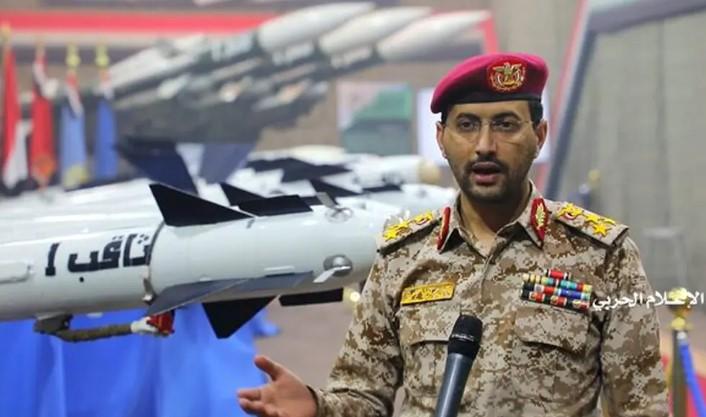
Iran’s Revolutionary Guards said in a statement on Monday that the only way to restore regular shipping traffic through the strait was to end US military interventions in the waterway, and warned that “continued interference could lead to greater incidents in the global oil and gas sector.”
US and Iranian forces exchanged heavy missile and drone attacks over the weekend and into Monday, with Tehran saying it had struck US military facilities across the Gulf and kept the Strait of Hormuz closed, driving oil prices higher.
The latest exchanges mark a sharp escalation in both the pace and geographic reach of attacks over the past week, casting doubt on an interim US-Iranian agreement signed last month to reopen the strait and halt hostilities while the sides pursued a further 60 days of negotiations.

JustWatch now streams TV shows and movies, too
- 16 hours ago
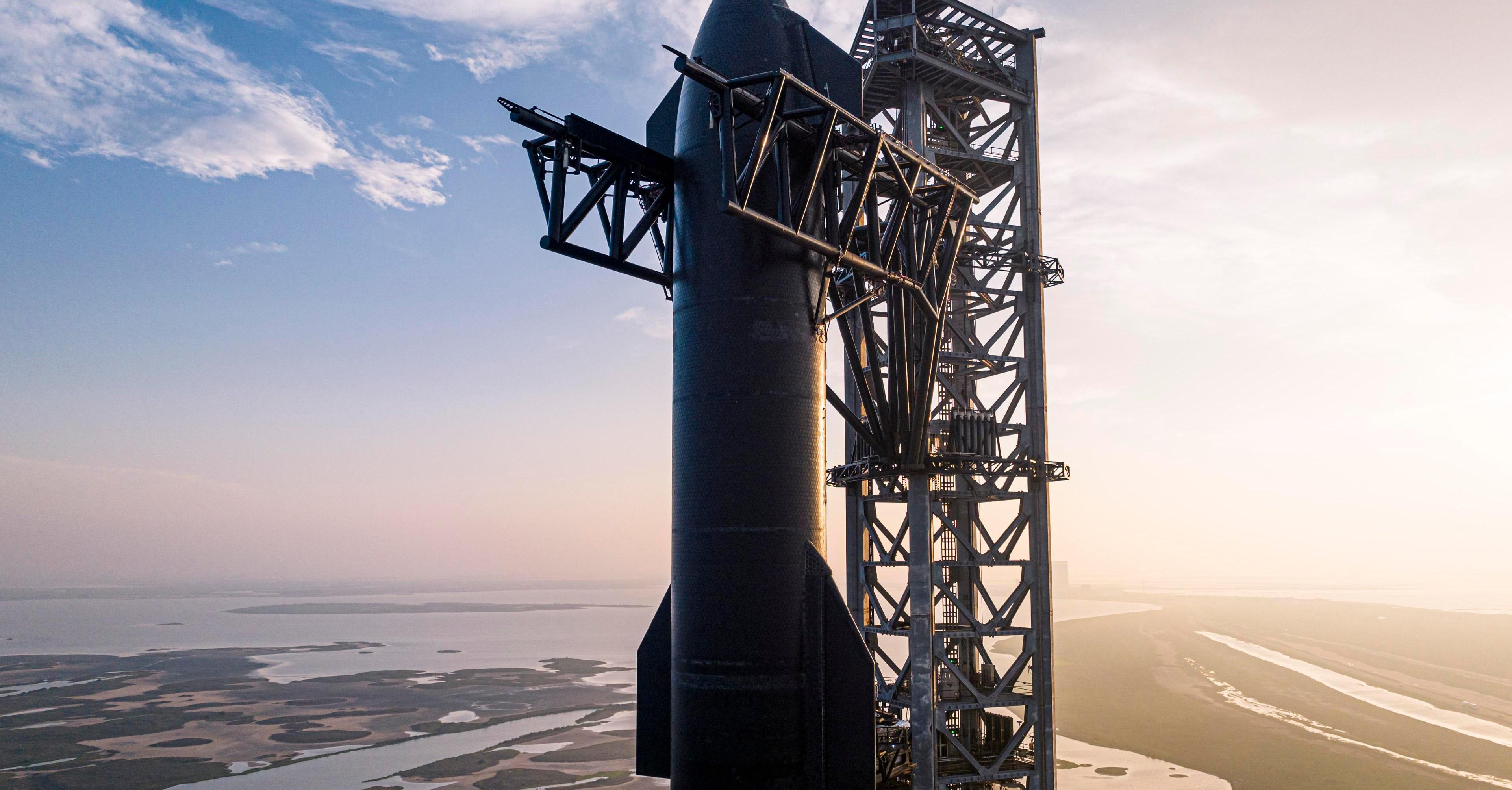
SpaceX will try catching Starship and its booster for first time, Musk says
- 16 hours ago
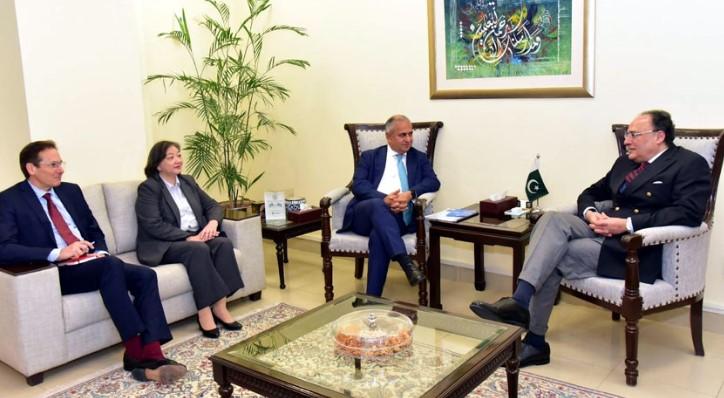
FinMin Aurangzeb, WB discuss Pakistan's economic reform agenda
- a day ago
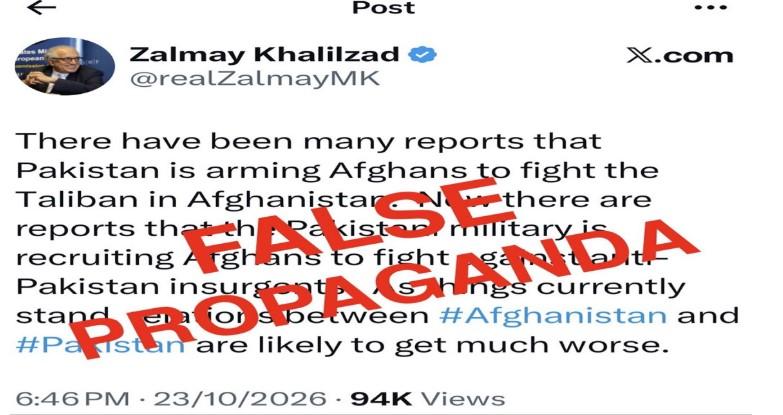
Pakistan rejects Khalilzad's allegations of arming Afghans
- 6 hours ago
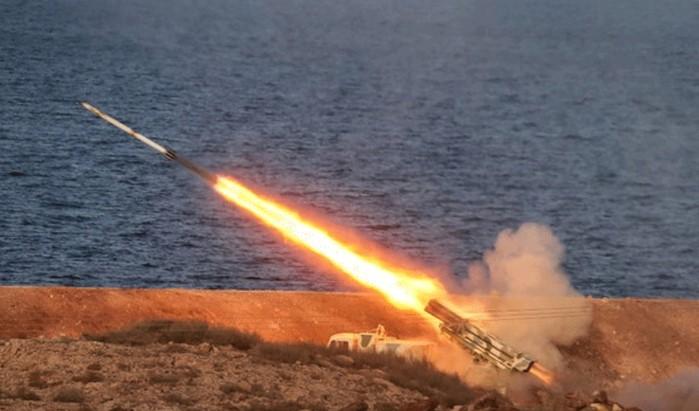
Saudi forces say intercepted two Houthi missiles targeting Yanbu, Taif
- 5 hours ago

US military bans BYD vehicles from strategic air base in Japan
- a day ago

How to ban gerrymandering when the Supreme Court is stacked against you
- 14 hours ago
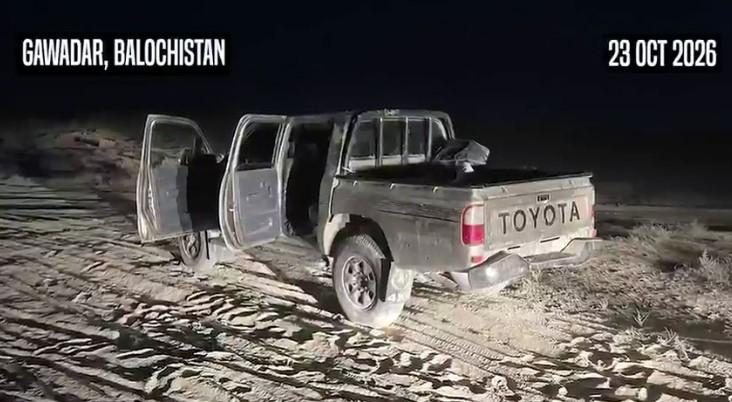
10 terrorists, including one female, killed in Gwadar: ISPR
- a day ago

Colleges can do more to prevent sexual assault. Here’s where to start.
- 14 hours ago

Xbox Cloud Gaming’s pay-as-you-go option starts at $3.99 for 10 hours
- 7 hours ago
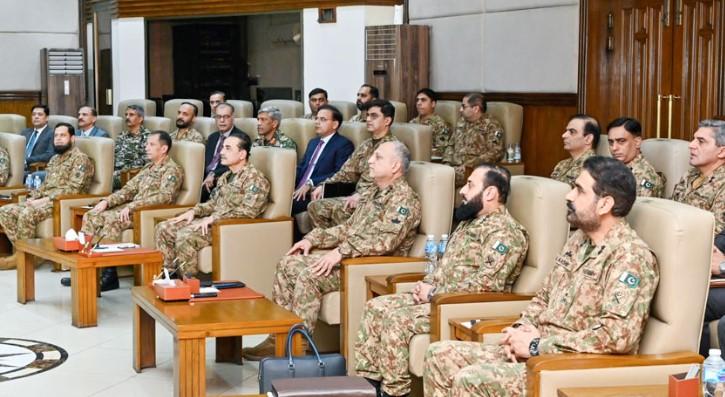
Field Marshal Munir vows total defeat of terrorists with public support
- a day ago
PM Shehbaz sets illustrative wheat price at Rs4,500 per 40kg for 2027
- a day ago