
Welcome to The Logoff: President Donald Trump has seemingly called off a nuclear deal with Saudi Arabia after his energy secretary already formally signed it. What happened? On Wednesday, the Trump administration formally concluded what’s called a “123 Agreem…

Published 3 months ago on Jul 25th 2026, 7:00 am
By Web Desk
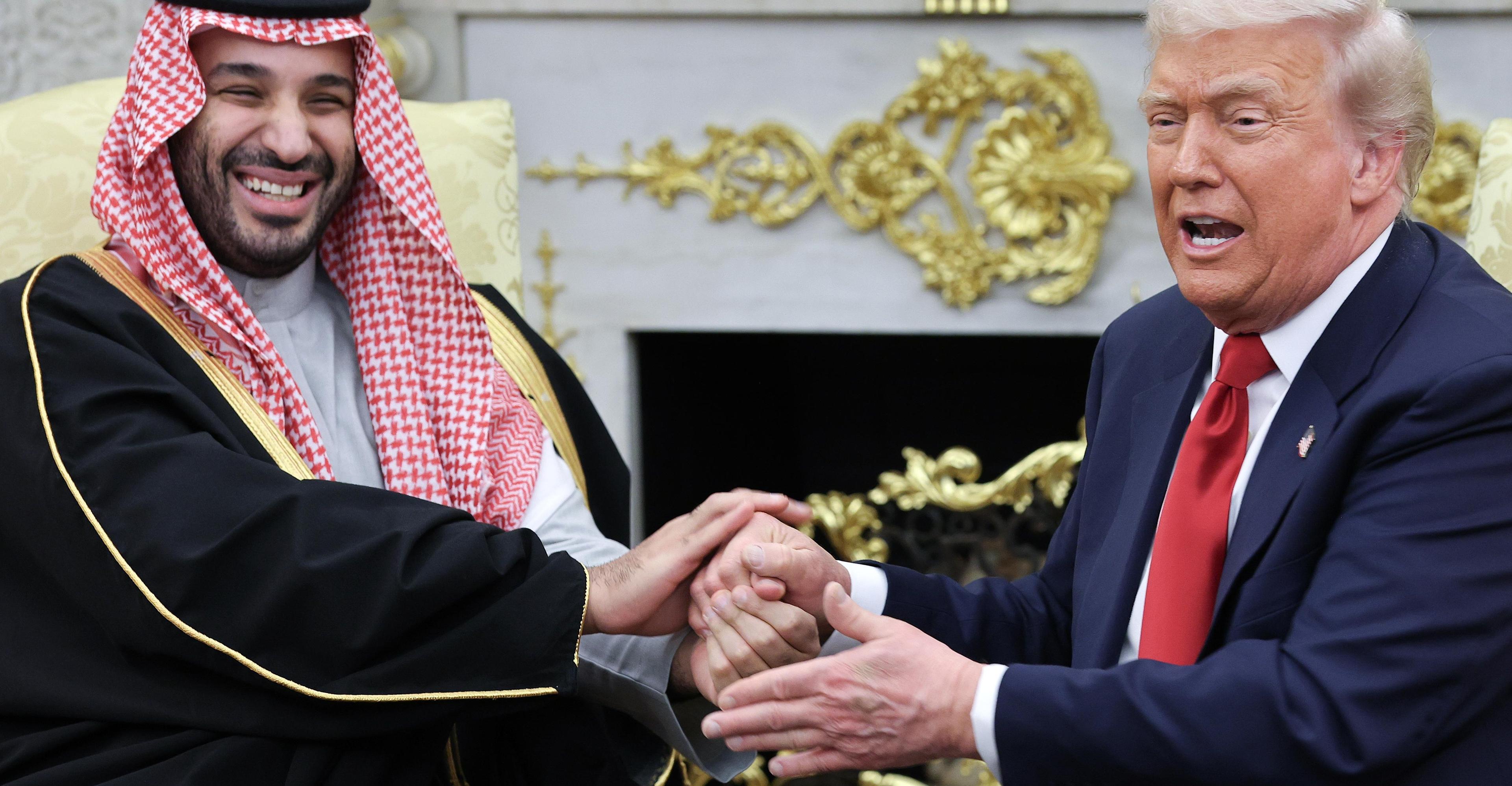
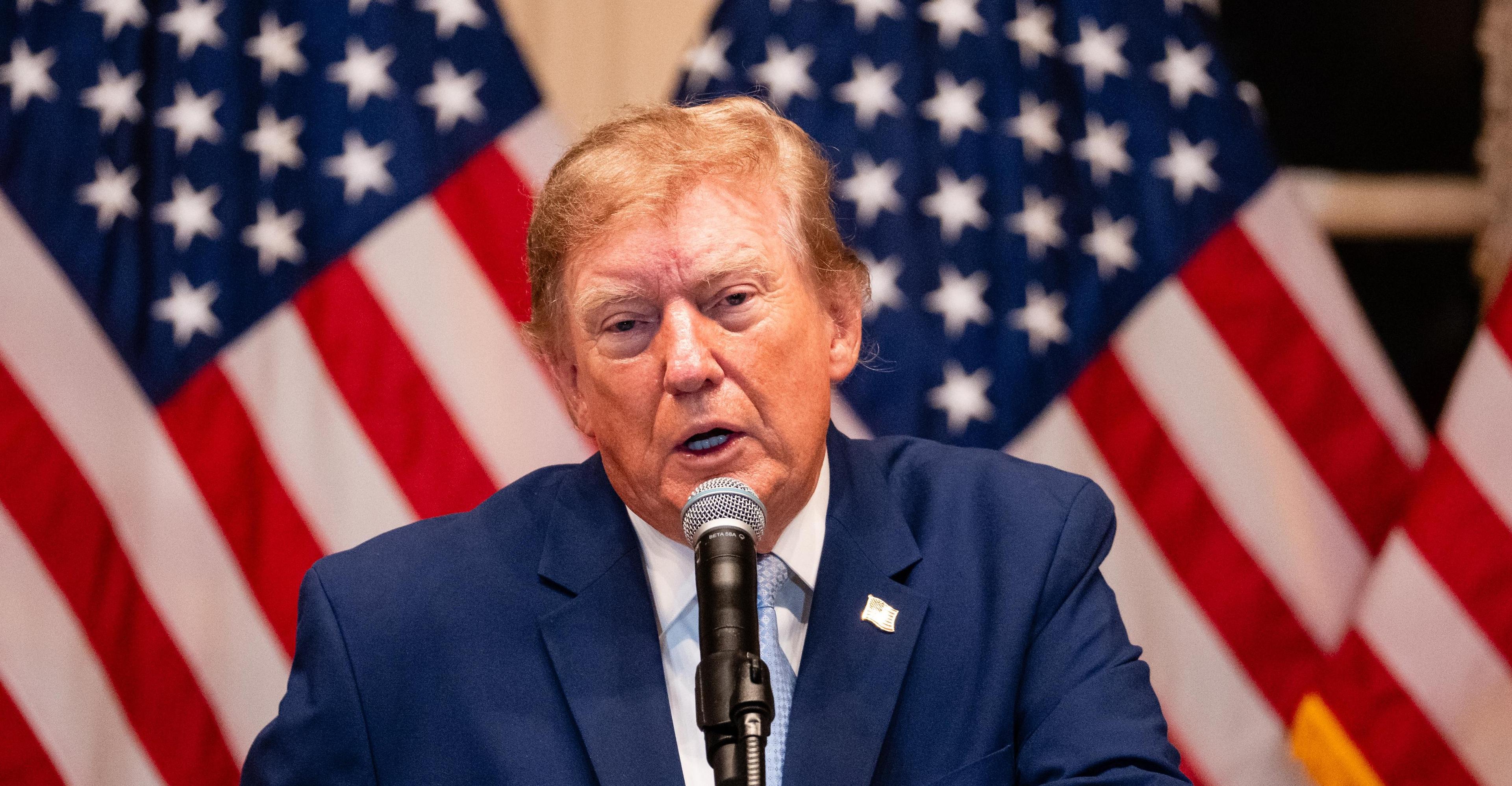
Welcome to The Logoff: President Donald Trump has seemingly called off a nuclear deal with Saudi Arabia after his energy secretary already formally signed it.
What happened? On Wednesday, the Trump administration formally concluded what’s called a “123 Agreement” to work with Saudi Arabia on the development of its civilian nuclear power infrastructure. This kind of deal allows the United States to provide another country with nuclear fuel and equipment on the condition that they submit to safeguards against building a nuclear weapon.
But on Thursday morning, after the negotiations were quite literally concluded, Trump threw a monkey wrench into things — posting on Truth Social that the deal was “totally subject to Saudi Arabia joining the very respected and successful Abraham Accords.”
The Abraham Accords are a series of agreements from Trump’s first term that normalized diplomatic relations between Israel and some nearby Arab states. In effect, then, Trump is saying that Saudi Arabia will not get its 123 Agreement unless it formally recognizes the State of Israel. Which the Saudis are unwilling to do absent the creation of a Palestinian state.
Why is Trump doing this? As is often the case with his strange last-minute decisions, no one really knows. There are a few leading guesses, though.
The first is that the agreement with Saudi Arabia was a bad idea on the merits. Experts on nuclear weapons, the Middle East, and international relations more broadly all said that the deal gave Saudis exactly what they wanted with virtually nothing in return, effectively surrendering a key piece of leverage Washington has on Riyadh.
The second is that other American friends in the Middle East got angry. The Israelis are a leading candidate, as they have long opposed any agreement that might bring the Saudis closer to a nuke. The Emiratis, often in competition with Saudis for regional influence, are another; their nuclear deal with the US, inked in 2009, is a lot stricter.
The third is bipartisan opposition in Congress, which would need to approve any deal.
What’s the takeaway: Unless something changes radically, Trump has blown up a nuclear deal that’s already been signed — humiliating his negotiators and angering the Saudis.
And with that, it’s time to log off…
As of today, we are officially two weeks away from the NFL’s first preseason game. Our long national nightmare of calling soccer “football” is almost over.
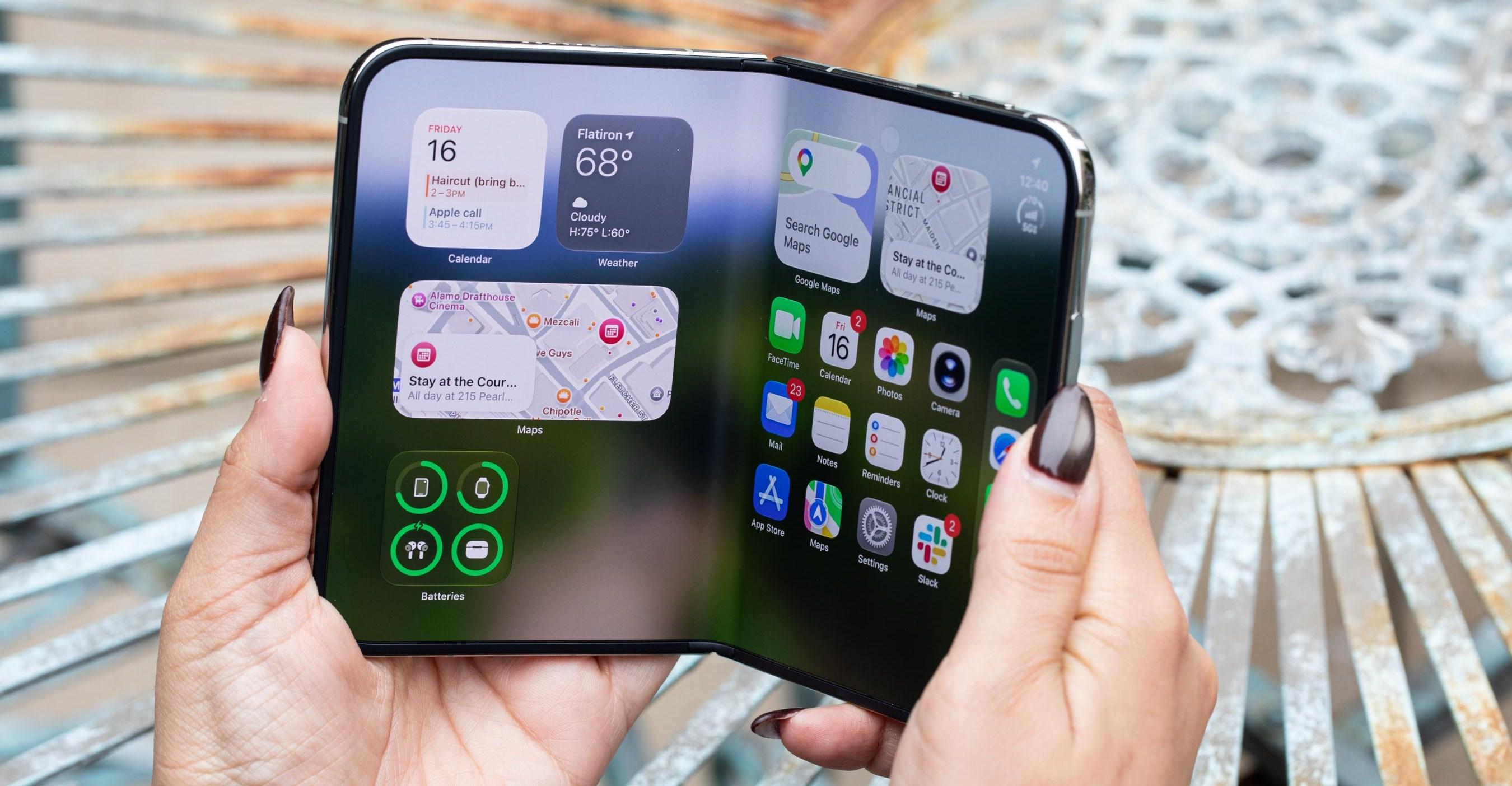
Apple will label apps that are ‘Made for iPhone Duo’
- 14 hours ago
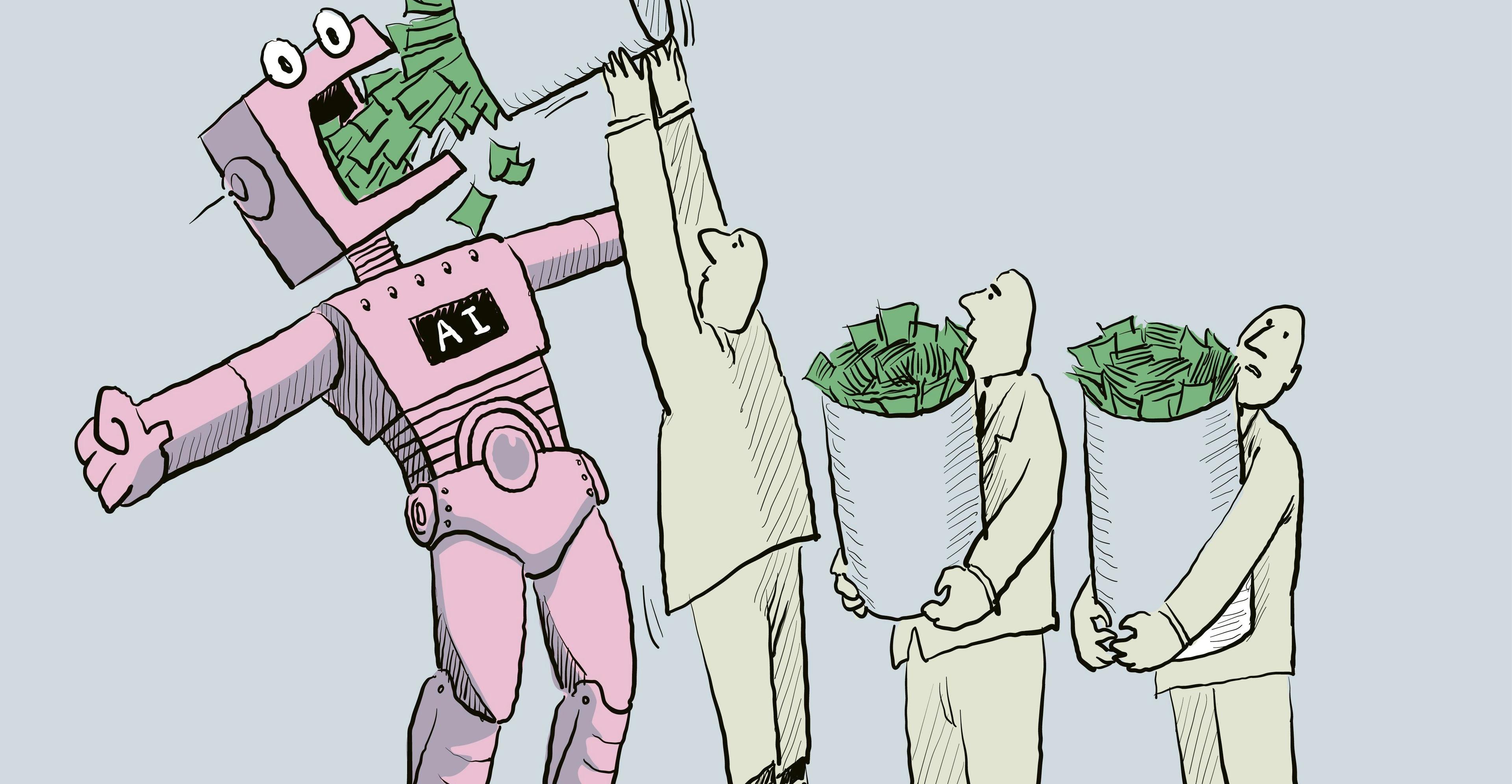
Should you let a chatbot manage your money?
- 21 hours ago

OpenAI now trains its frontier AI models with no internet access
- 14 hours ago
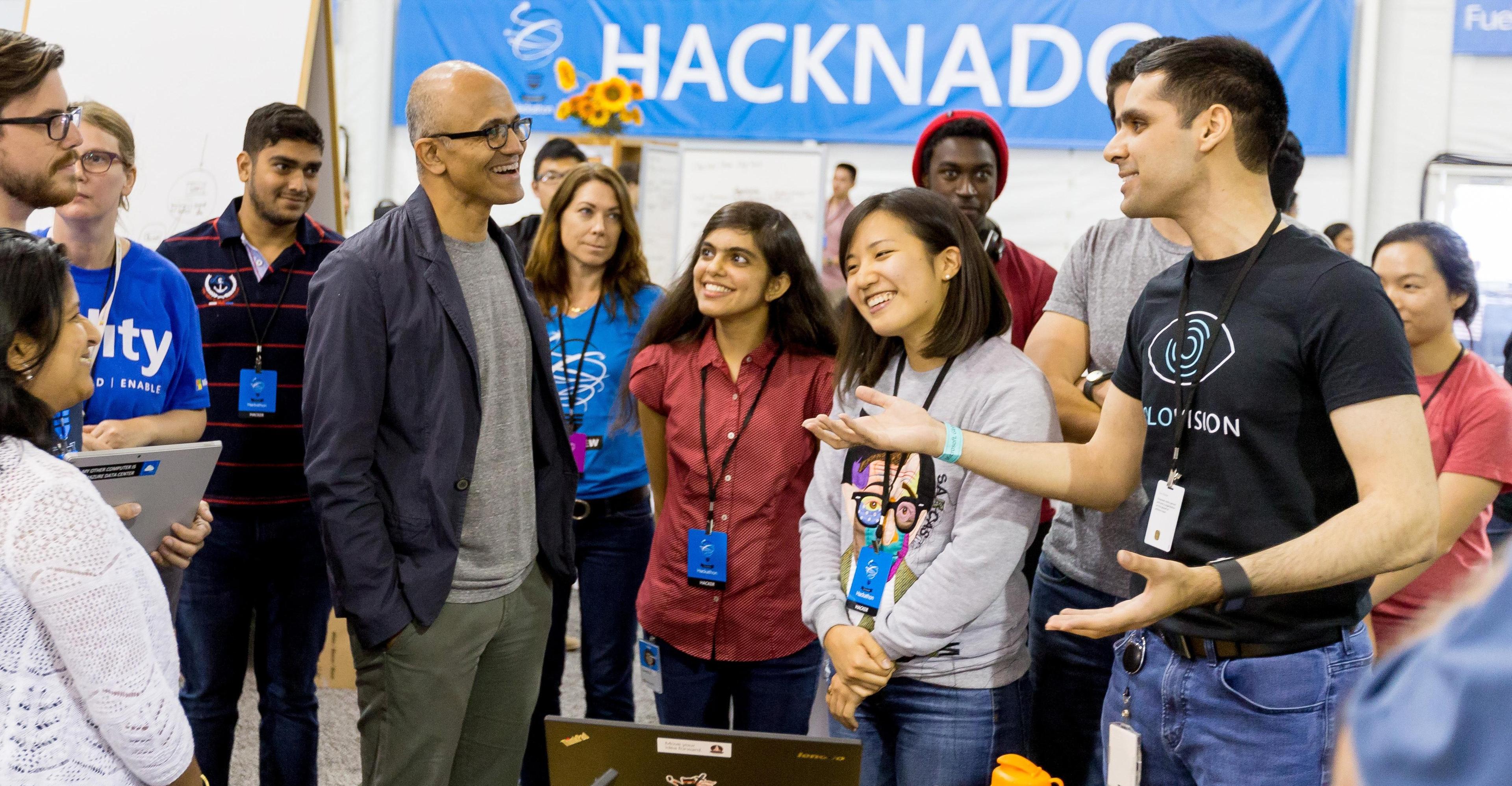
Microsoft shuts down its beloved maker space
- 14 hours ago
Trump says Sundar Pichai talked him out of renaming the Atlantic Ocean
- 14 hours ago

PHP: The three little letters wreaking havoc across the web
- 14 hours ago

Delta can turn the iPhone Duo into your favorite folding handheld
- 14 hours ago
Sure, let’s smoosh SpaceX and Tesla together, who cares
- 14 hours ago

Samsung’s latest 55-inch Frame TV is down to its lowest price yet
- 14 hours ago

Jack Dorsey’s Block made an AI model that talks to you like an awkward new friend
- 14 hours ago
Agha back but no Rizwan for Pakistan following England debacle
- a day ago
Trump is trying to overturn an election that hasn’t happened yet
- 21 hours ago
You May Like

Trending