Civil society groups have worried that the review could leave developing countries facing stiffer austerity measures at a time when they are saddled with rising public debt, soaring borrowing costs, sharp drops in official development assistance and successive systemic shocks

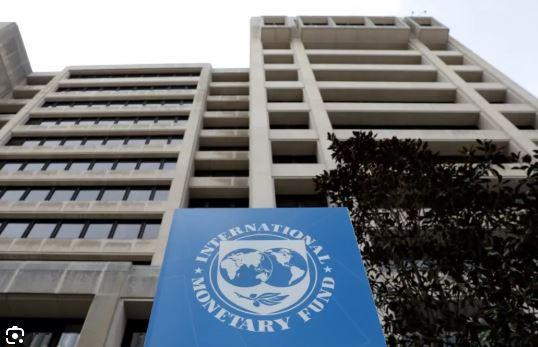
WASHINGTON (REUTERS) -- The International Monetary Fund on Thursday called for targeted refinements to the design and implementation of its loan programs, including a focus on fewer but deeper reforms, to reflect the challenges of a more shock-prone global economy.
Civil society groups have worried that the review could leave developing countries facing stiffer austerity measures at a time when they are saddled with rising public debt, soaring borrowing costs, sharp drops in official development assistance and successive systemic shocks.
The IMF said the recommendations do encourage more front-loaded and sustained fiscal adjustments, or budget cuts, because they are associated with higher chances of program success.
But it stressed that such front-loading should occur only to the extent feasible, along with realistic steps to boost growth and adequate social spending to protect the vulnerable.
“The framework, by and large, is fine,” said Rishi Goyal, deputy director of the IMF’s strategy, policy and review department.
“But because the context is changing, because there are social strains in a number of members, we need to make sure that our reforms are appropriately tailored,” he said. “What this means is a clear focus on fewer but deeper reforms.”
New tools needed
The IMF’s review of program design and conditionality, its third since 2002 guidelines were put in place, assessed the performance of IMF-supported programs from January 2018 to December 2024 — a period that included the US-China trade war during President Donald Trump’s first term, the COVID pandemic and Russia’s full-scale invasion of Ukraine.
The IMF’s executive board backed the recommendations, which call for more balanced reforms that rely on both revenue growth and fiscal consolidation, better assessment of risks and greater realism about project financing.
The IMF said the goal was to improve implementation and outcomes, not to lower standards. The review comes on the heels of changes in a joint IMF-World Bank debt framework for low-income countries, and a forthcoming review of the IMF’s process for evaluating countries’ economies.
Goyal said the review showed the global lender had responded quickly and flexibly to crises during the seven-year period, helping a number of countries restore stability.
But not all countries had succeeded in restoring medium-term stability, pointing to the need for changes in how programs were designed, he said.
In addition to policy tweaks, Goyal said the IMF was introducing a new medium-term structural reform tool that would identify key reforms and then sequence and tailor them to ensure countries could get “more bang for their buck.”
Other new tools would enhance the ability of IMF teams and staff to correct course if shocks arose, he said.
Critics say the IMF has sometimes failed to enforce its own policies, allowing some countries such as Egypt, Pakistan and Argentina to roll from one lending program to another.
While its policies had proven helpful for some countries, they had also hurt public goods like healthcare in others, cutting the very money that the poorest people needed, said Eric LeCompte, executive director of the Jubilee USA Network.
“One of the greatest challenges is that countries are getting back in debt because the previous financial policies, the previous conditionality reports and debt reviews have not been adequate to keep countries out of crisis,” he said.
Martin Muehleisen, a former IMF strategy chief, said he had not seen the review, but the question was whether the IMF had sufficiently insisted on program conditions being met and holding up disbursements if they were not.
“What they really need to ask themselves is: what has materially changed and where did things go really wrong?” he said. “And what will materially change to give us a chance to meet these outcomes despite what’s going on in the world.”

Hands-on with Amazon’s Alexa Tablet 12 Pro and its wild new matte display
- 21 hours ago

Anthropic launches free AI security scans for open-source projects
- 21 hours ago
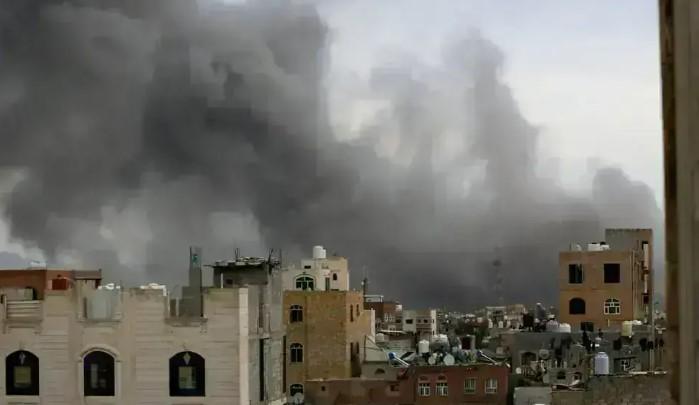
Saudi-led coalition orders evacuation of Yemen oil facility in Sanaa ahead of operation
- a day ago

Tim Cook says ‘I’m not meddling’ in the new Apple CEO’s business
- 21 hours ago

The liver transplant system tried to fix its sex bias. Did it work?
- 19 hours ago

I only bought Pokémon Legends: Z-A during Prime Day, and it’s still on sale
- 21 hours ago

Nobel Peace Prize winner Navi Pillay blasts Trump's 'unlawful' sanctions against ICC
- 6 hours ago

Gold prices decline after one day's increase in Pakistan
- 10 hours ago
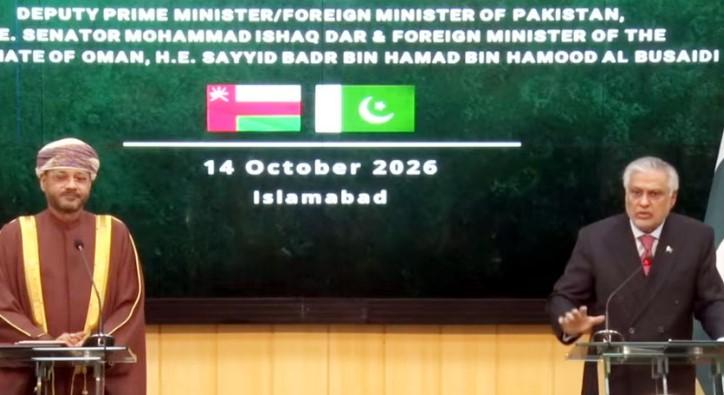
Pakistan, Oman vow to expand bilateral cooperation in multiple fields
- 9 hours ago
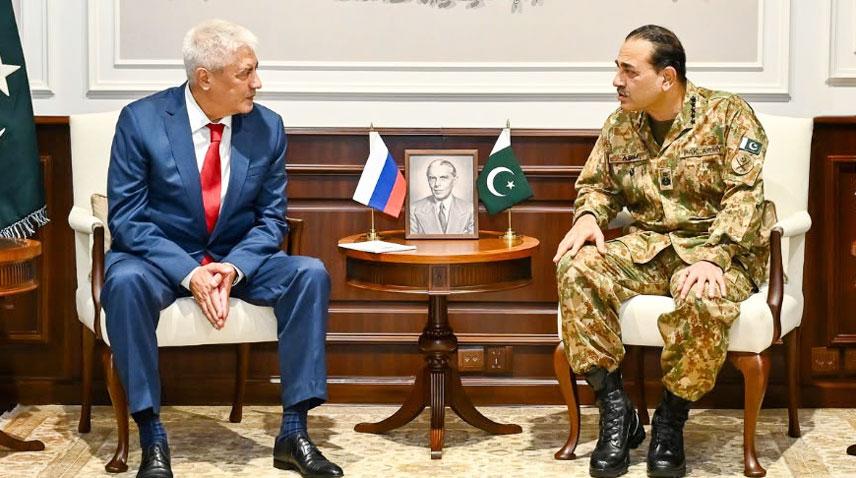
CDF Munir reaffirms resolve to strengthen Pakistan-Russia ties
- 6 hours ago

Two US cities could soon ban one of the world’s most controversial foods
- 19 hours ago
National Assembly passes resolution endorsing federal govt's imposition of emergency, governor's rule in KP
- 11 hours ago