
Technology
- Home
- Technology
- News
Meta patches Muse exploit that let attackers control the AI agent
Meta has issued a patch for its Muse macOS app following the discovery of a zero-day vulnerability that could allow someone to take control of the AI agent. The bug found by security researcher Patrick Wardle utilized an undocumented Muse setting that enabled…

Published 21 days ago on Sep 25th 2026, 5:02 am
By Web Desk
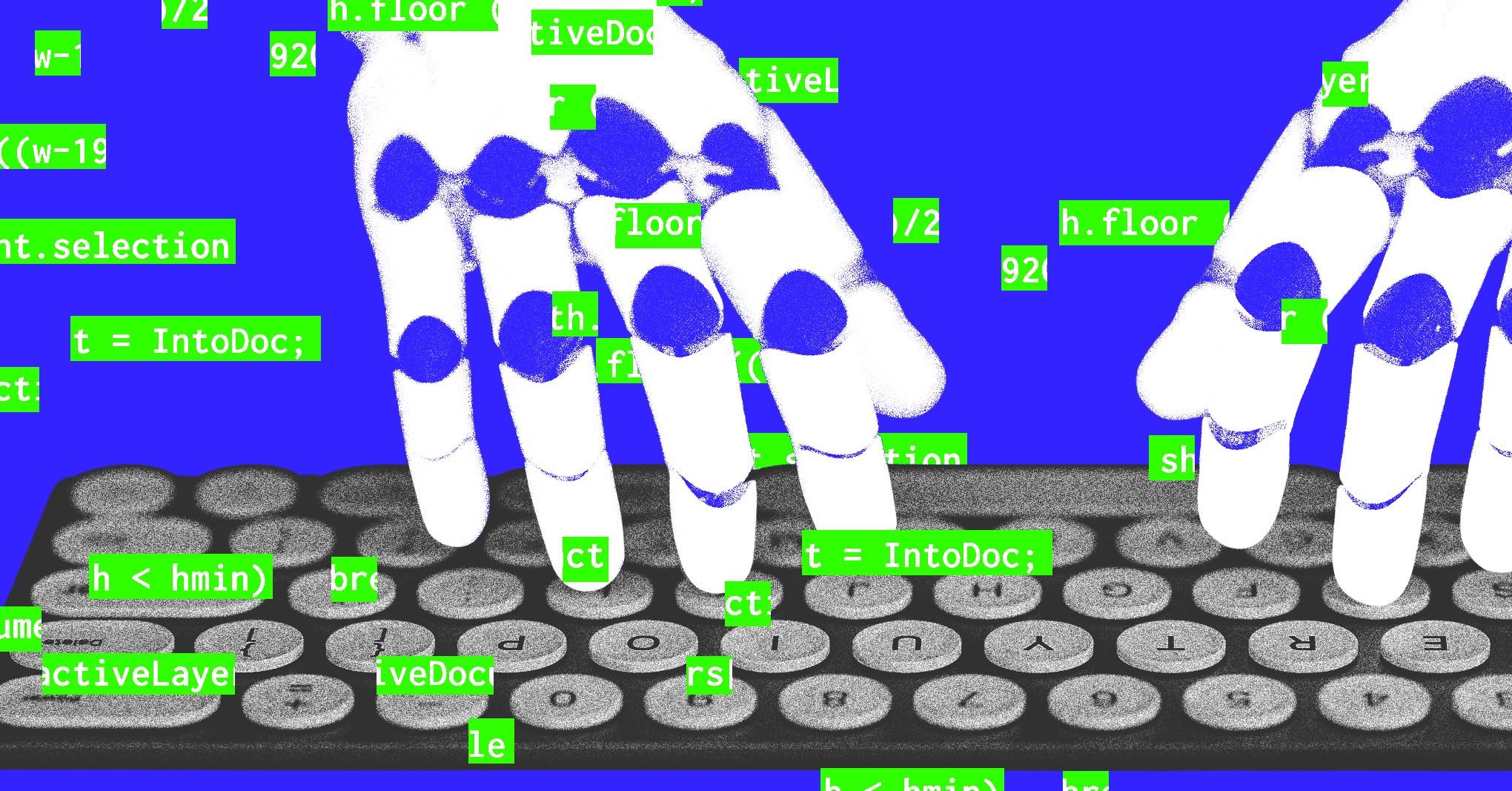
Meta has issued a patch for its Muse macOS app following the discovery of a zero-day vulnerability that could allow someone to take control of the AI agent. The bug found by security researcher Patrick Wardle utilized an undocumented Muse setting that enabled potential attackers running local code to redirect transcription processing from Meta’s servers to their own endpoint, Ars Technica reports, giving the attacker access to the Muse account.
Several design decisions reportedly enabled this flaw, including having Muse dictation occur in the cloud instead of on-device, and allowing any app to control all of Muse’s undocumented settings. Proof-of-concept attacks developed by Wardle to test the exploit enabled him to take pictures and write malicious files to disk via Muse, which did not alert the user in many cases.
“We can manipulate the agent and leverage its privileges to do whatever we want. So instead of us having to write a very comprehensive Mac malware stealer, we can just leverage the AI assistant itself,” Wardle told Ars Technica. “At the very least, they should be thinking about security from the very start, and they are just not.”
That stands in contrast with the emphasis that Meta placed on Muse’s privacy and security features when it announced the AI agent earlier this month. Meta patched the vulnerability in the hours following the Ars report being published, and asserts that real-world security concerns were minimal because the exploit required local access to the user’s device.
“This was a local privilege escalation attack, not a remote exploit. Using it to do harm therefore requires malicious code already running on the user’s machine under their user account and the practical risk to users of the Muse Mac app was therefore quite low,” David Singleton of Meta Superintelligence Labs said on X. “Nonetheless, we have issued a hotfix to the app to address the issue.”
While quickly addressed, the Muse exploit comes at a time when Meta’s AI agent is already being scrutinized as the company tries to claw back ground from rival AI providers. Amazon recently blocked Muse from accessing its e-commerce platform and claims Meta never obtained its permission to do so. Still, the launch has been successful for Meta — during its first 12 days, estimated downloads of the Muse mobile app have reportedly outpaced ChatGPT’s own 12-day debut in the US and Canada, with Meta stock climbing by 11 percent on Monday.

US military weighs use of ‘mother of all bombs’ in potential future strikes on Iran, CNN says
- 3 hours ago

K-pop star Sunmi loves Notion and ear cleaning videos
- 13 hours ago

Joint Session of Parliament ratifies emergency, governor’s rule in KP
- 2 hours ago

National Grid Company of Pakistan unveils new brand identity as “National Grid Pakistan”
- 20 minutes ago

Five terrorists killed in Washuk IBO, Balochistan: ISPR
- 4 hours ago

The rise and fall of a MAGA princess
- 11 hours ago

Nobel Peace Prize winner Navi Pillay blasts Trump's 'unlawful' sanctions against ICC
- a day ago

The Supreme Court may be about to make America’s prisons much crueler
- 11 hours ago

CDF Munir reaffirms resolve to strengthen Pakistan-Russia ties
- a day ago

‘Pure insanity’: Mathematicians will need years to make sense of OpenAI’s latest drop
- 13 hours ago

At least 30 children, two teachers killed in Peshawar school roof collapse
- 4 hours ago

Microsoft 365 Family subscribers will finally be able to share AI benefits
- 13 hours ago
You May Like





Trending