
Creatine is everywhere right now. But are the claims around this classic supplement actually based in real science? Or are they just more marketing hype? For decades, creatine has been sold to fitness buffs, as a way to build more muscle, faster. Now it’s bei…

Published 14 منٹ قبل on نومبر 14 2026، 7:00 صبح
By Web Desk
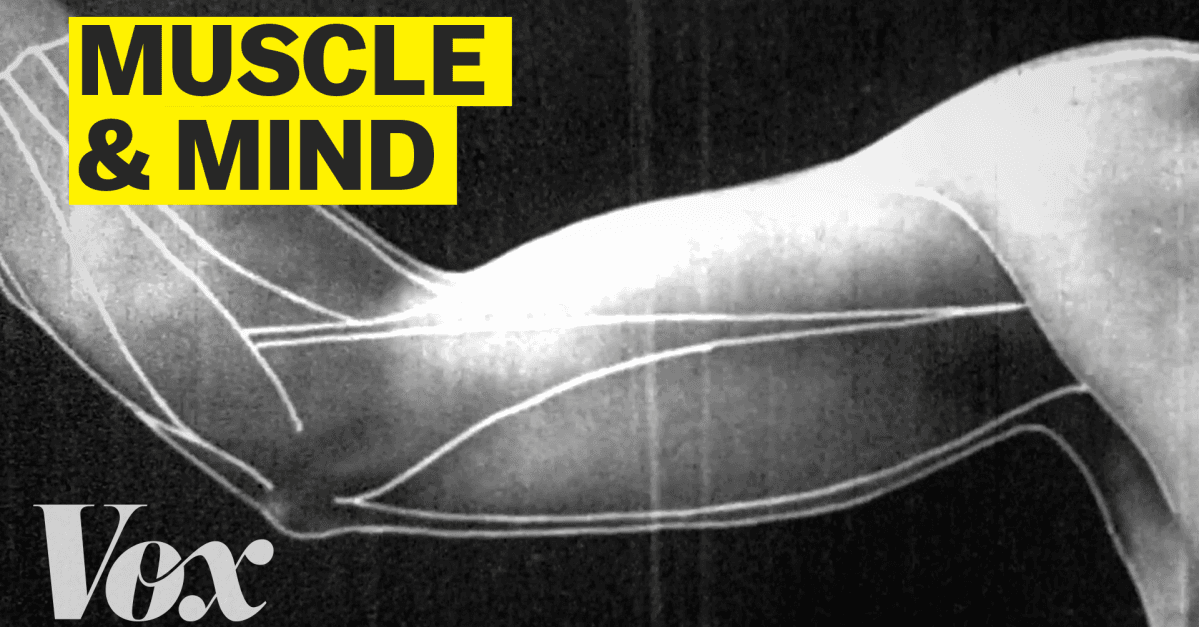
Creatine is everywhere right now. But are the claims around this classic supplement actually based in real science? Or are they just more marketing hype?
For decades, creatine has been sold to fitness buffs, as a way to build more muscle, faster. Now it’s being pitched to almost everyone, with influencers, podcasters, and celebrity doctors claiming it can sharpen your mind, lift your mood, offset sleep deprivation, and even reverse the effects of Alzheimer’s disease. And these wellness claims are driving a real surge in profit — US sales topped half a billion dollars in 2025.
So what is creatine actually doing in your body? Will it really help you build muscle, or are those dramatic before-and-after photos telling a different story? And when it comes to your brain, is there real evidence behind the claims about memory, mood, and Alzheimer’s, or is the hype getting ahead of the science?
We dug into the research on creatine, from the muscles to the mind, and spoke with exercise scientist Nick Tiller and associate professor Matthew Taylor, whose team at the University of Kansas studied creatine’s effects on people with Alzheimer’s disease.
Read more about the real science behind creatine:
* Nutrition report: Influence of age, sex and exercise type on creatine and lean body mass
* National Library of Medicine report: The effects of creatine supplementation on cognitive performance
* Nature report: Single dose creatine improves cognitive performance and induces changes in cerebral high energy phosphates during sleep deprivation
* Journal of the International Society of Sports Nutrition report: The birth of modern sports nutrition: tracing the path from muscle biopsies to creatine supplementation
* Journal of the International Society of Sports Nutrition report: Effects of creatine supplementation with and without exercise and diet intervention on body composition, cognitive function, and markers of health in middle-aged and older adults
* Alzheimer’s & Dementia report: Creatine monohydrate pilot in Alzheimer’s: Feasibility, brain creatine, and cognition
* The Canadian Journal of Psychiatry report: The Effect of Creatine Monohydrate on Mental Disorders: A Systematic Review of Randomized Controlled Trials
* Montreal Gazette article: The Right Chemistry: Creatine, a supplement with a rare commodity: Evidence
This video is presented by Colgate. Colgate doesn’t have a say in our editorial decisions, but they make videos like this one possible.
History has a warning for the new Democratic majority
- a day ago
How the 7 healthcare workers who just got elected to Congress plan to fix our broken system
- 14 minutes ago

Aura’s next color E Ink photo frame is smaller, cheaper, sharper, and more colorful
- 2 hours ago
Democrats made three big economic promises. They’ll need to break one.
- a day ago

Reddit wants to guide your next purchase
- 2 hours ago
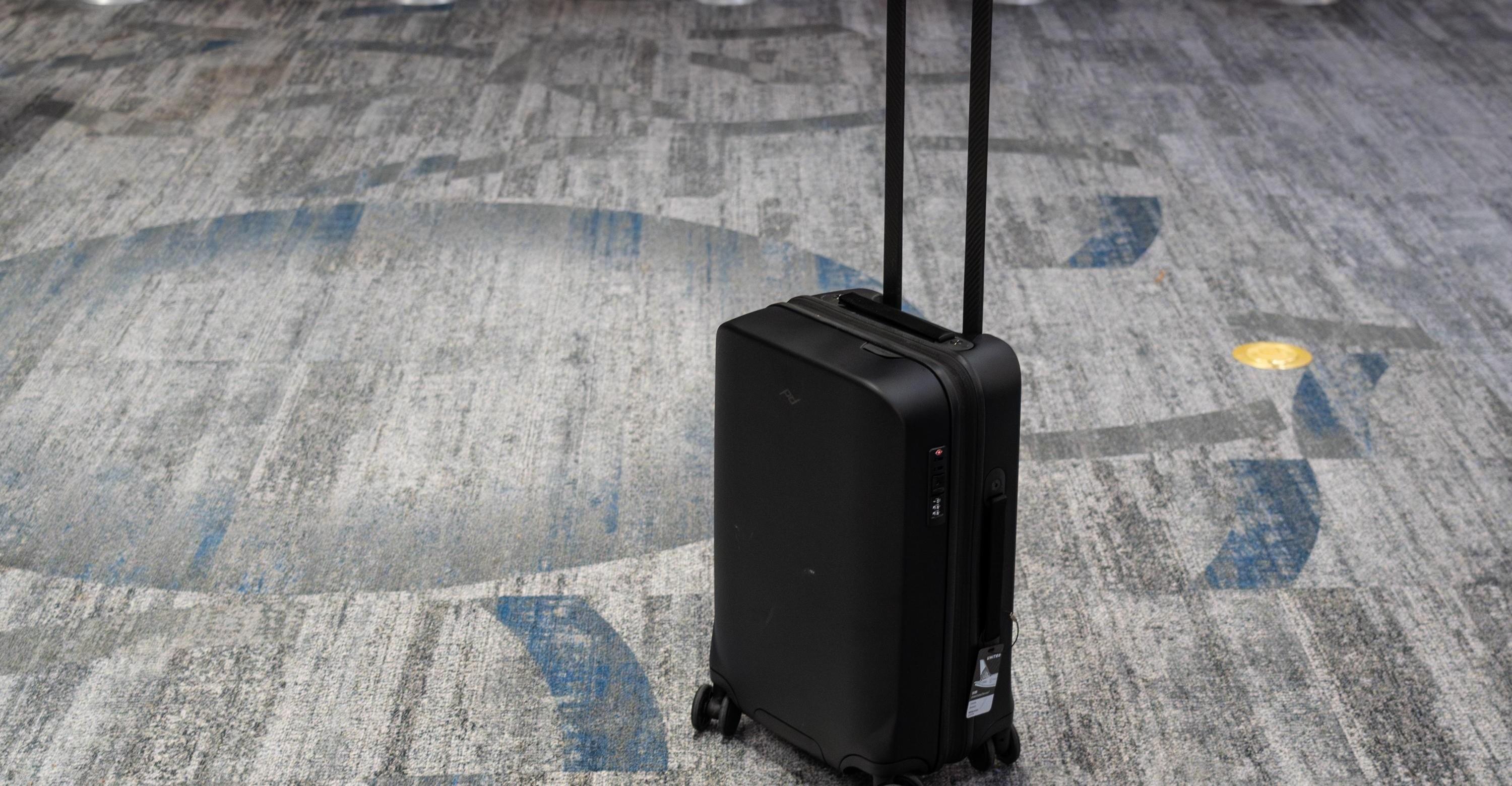
Peak Design’s Roller Lite Carry-On is bigger on the inside — and cheaper, too
- 2 hours ago

What to know about the Republican-led effort to impeach Pete Hegseth
- 14 minutes ago

Sharge’s eye-catching MacBook charger is over 25 percent off
- 17 hours ago
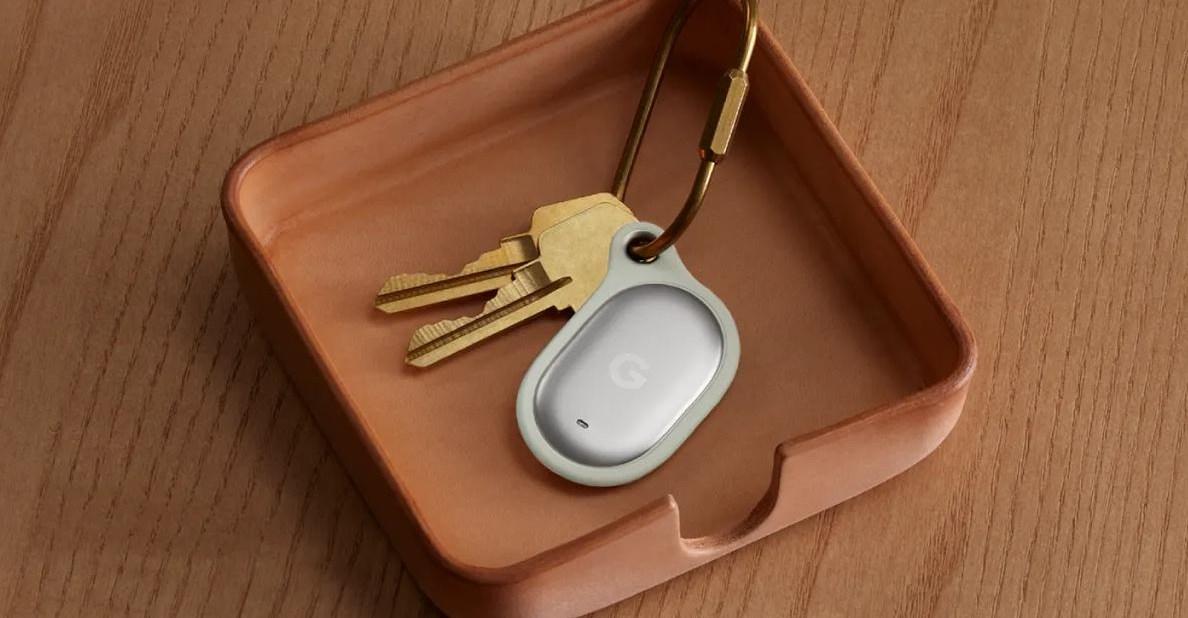
Google’s Pixel Tag tracker is now available
- 17 hours ago
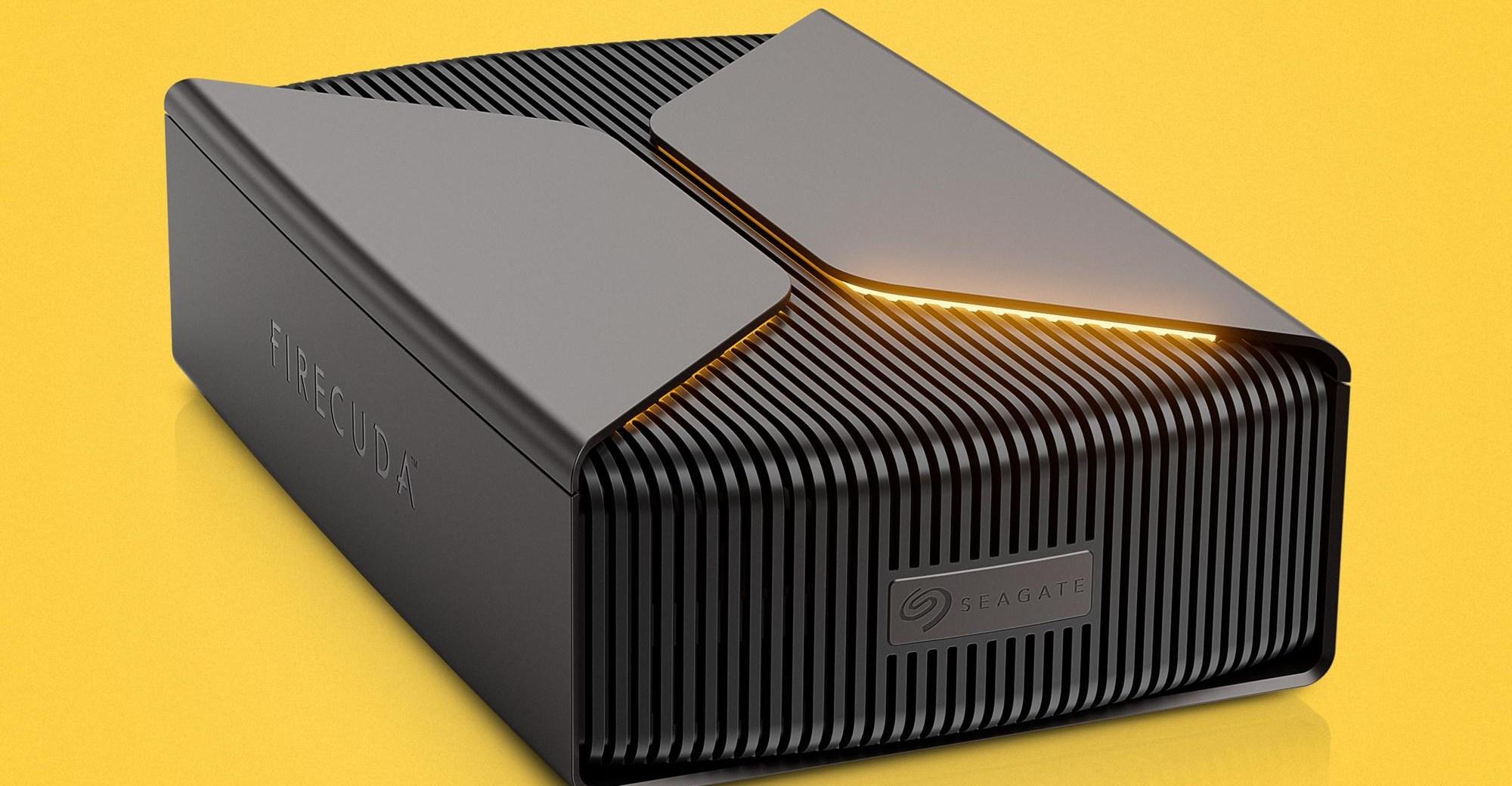
Seagate’s FireCuda Forge moves your data between a hard drive and SSD for better performance
- 2 hours ago

Could this bacteria save coral reefs from the heat?
- a day ago

How science informs author Emily St. John Mandel’s fiction
- 14 minutes ago
You May Like
Trending