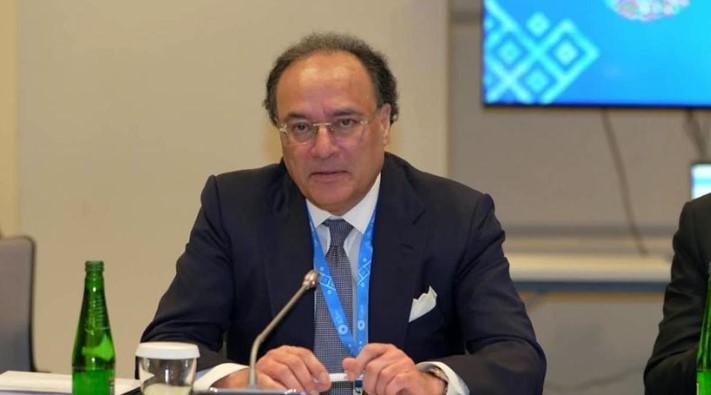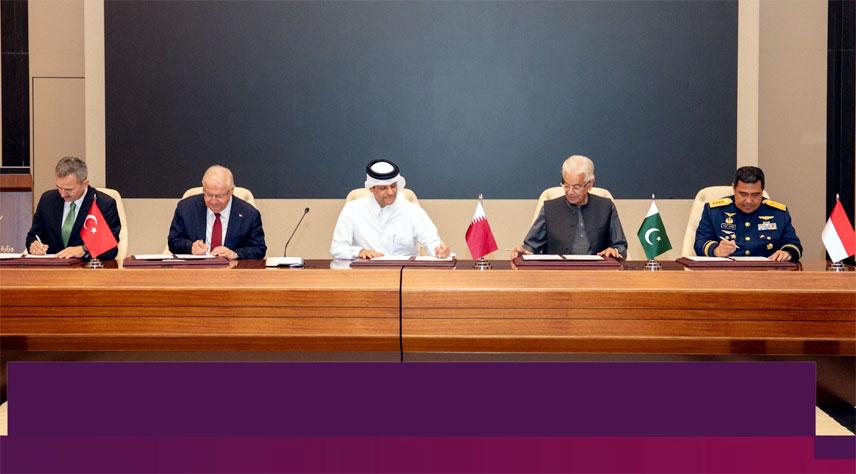
The event attended by leading healthcare activists, called for a Tobacco Tax Hike in 2024.

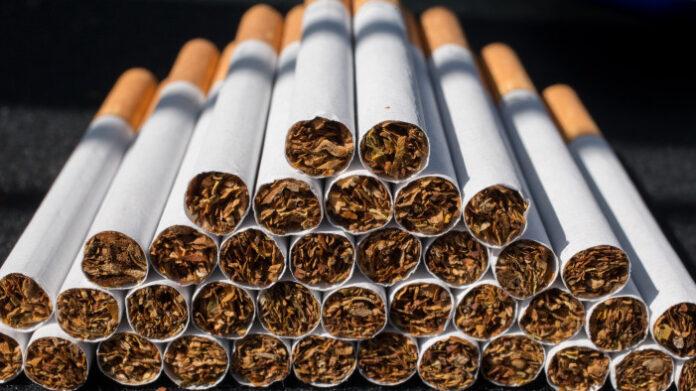
Islamabad- The Society for the Protection of the Rights of the Child (SPARC) advocates 26 percent FED increase on cigarettes to bridge the gap between health burden and tax revenue.
Muhammad Sabir, Principal Economist at the Social Policy and Development Centre (SPDC), shared the recommendations at an event organized to launch a tobacco taxation simulation model published by the Social Policy and Development Centre (SPDC).
The event attended by leading healthcare activists, called for a Tobacco Tax Hike in 2024.
Sabir said that Pakistan presently operates with a two-tiered Federal Excise Duty (FED) structure for cigarettes, categorized by price tiers.
Following a substantial increase in 2022-23, the FED share in retail prices reached 48% and 68% for low and high tiers, respectively.
However, the leveling off of the FED share in 2023-24, due to the absence of rate adjustments, could adversely affect revenue and public health efforts.
Sabir added that a proposed 26.6% FED increase in 2024 could recoup 19.8% of the costs, narrowing the gap between health burdens and tax revenues.
A 26.6% FED hike could potentially lead to 517,000 fewer smokers, a 12.1% increase in tax revenue, and a 19.8% recovery of health costs.
Beyond 2023-24, the government should integrate cost recovery into tobacco tax policies through automatic adjustments, implement a uniform FED rate across all cigarette brands, and prescribe tax increases for the next three years.
Dr. Ziauddin Islam, Former Technical Head, Tobacco Control Cell, Ministry of National Health Services and Regulations and Coordination, stated that recent statistics reveal that in Pakistan, 31.9 million adults aged 15 years and above, approximately 19.7% of the adult population, are current tobacco users. The use of tobacco leads to over 160,000 deaths annually in Pakistan, amounting to 1.4% of the nation's GDP each year. It is imperative to revitalize Pakistan's cigarette taxation system.
He added that the costs associated with smoking-related health issues have surpassed the revenue generated from cigarette taxes. In 2022-23, taxes covered only 16% of these costs, a significant decline from 19.5% in 2019. Initial data for the first quarter of 2023-24 suggests that cigarette revenue may not even reach 19% of smoking-related health costs, emphasizing the urgent need for action before the fiscal year concludes. This delay in recovering health costs demands immediate attention.
Dr. Khalil Ahmad Dogar, Program Manager at SPARC, said that the suggested tax hike promises a clear 'win-win' situation for both health and revenue for the government and the people of Pakistan. New governments shouldn’t fall into any tricks of the tobacco industry. Civil society will support the government in debunking any myths propagated by the tobacco industry. Concerns about illicit trade have been countered by research showing that tobacco companies manipulate reported production to influence tax policies and evade taxes. Additionally, the recently implemented track & trace system aims to reduce counterfeiting, combat illicit trade, and ensure accountability.

US military bans BYD vehicles from strategic air base in Japan
- a day ago

10 terrorists, including one female, killed in Gwadar: ISPR
- a day ago

Xbox Cloud Gaming’s pay-as-you-go option starts at $3.99 for 10 hours
- 2 hours ago
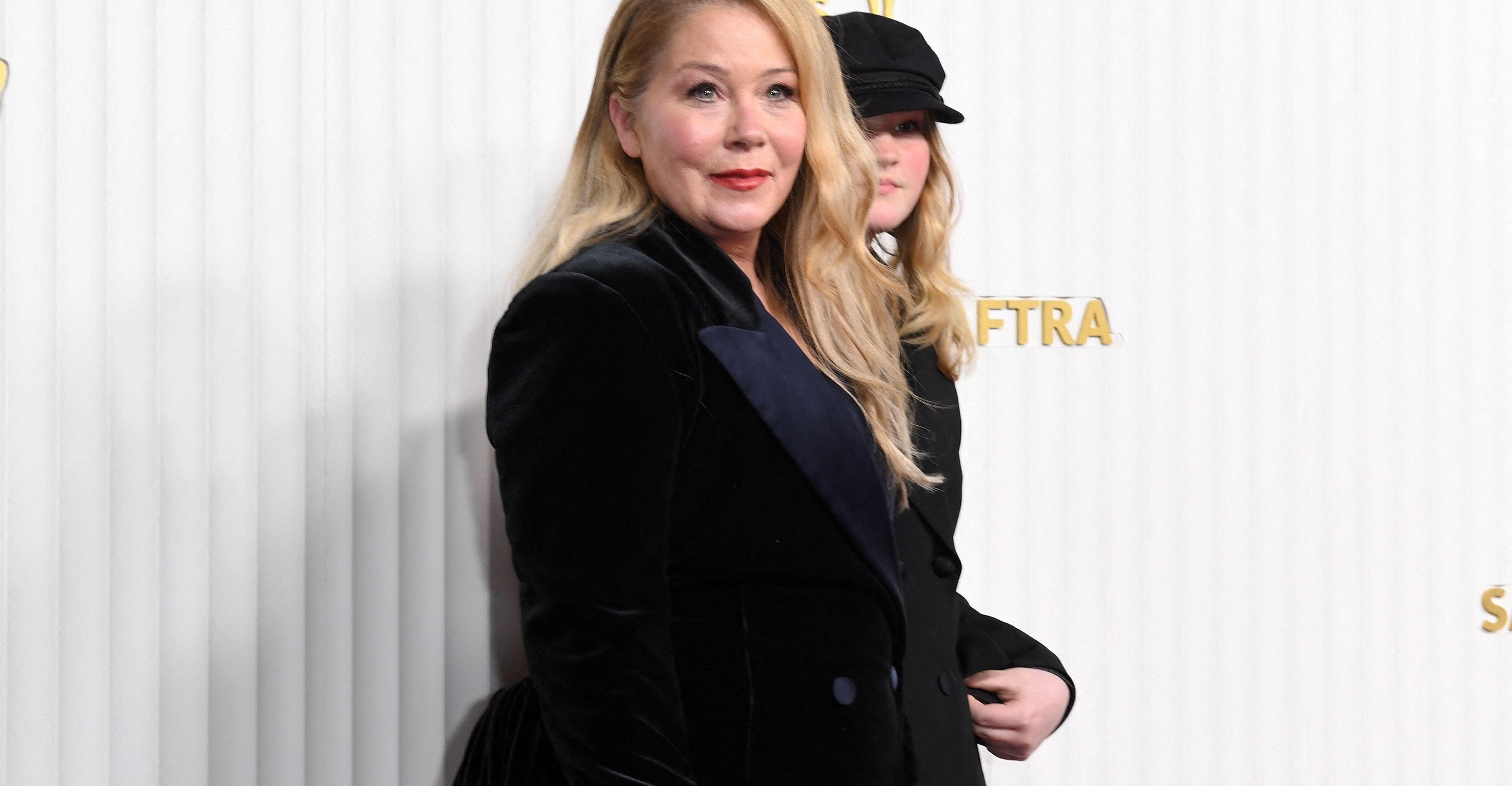
What Christina Applegate’s misdiagnosis reveals about MS
- a day ago

Colleges can do more to prevent sexual assault. Here’s where to start.
- 9 hours ago
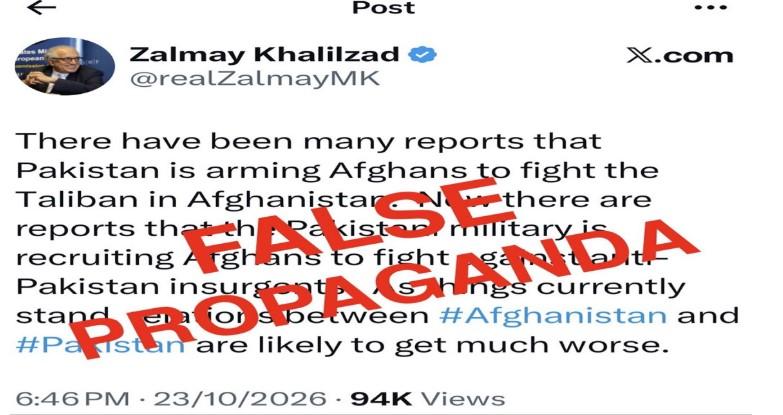
Pakistan rejects Khalilzad's allegations of arming Afghans
- 8 minutes ago

How to ban gerrymandering when the Supreme Court is stacked against you
- 9 hours ago
FinMin Aurangzeb, WB discuss Pakistan's economic reform agenda
- 19 hours ago

Field Marshal Munir vows total defeat of terrorists with public support
- a day ago

JustWatch now streams TV shows and movies, too
- 11 hours ago

SpaceX will try catching Starship and its booster for first time, Musk says
- 11 hours ago
PM Shehbaz sets illustrative wheat price at Rs4,500 per 40kg for 2027
- 18 hours ago