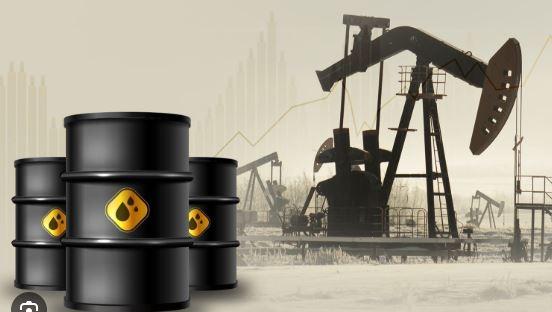
Brent crude futures were down 61 cents, or 0.74%, to $82.07 a barrel

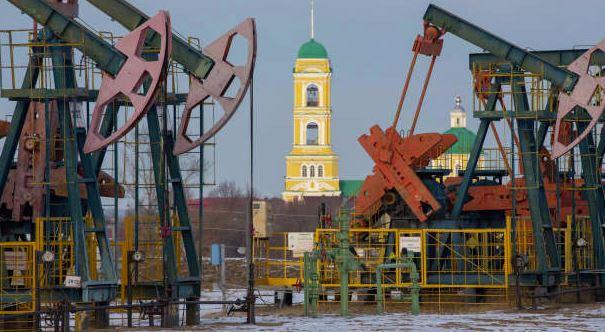
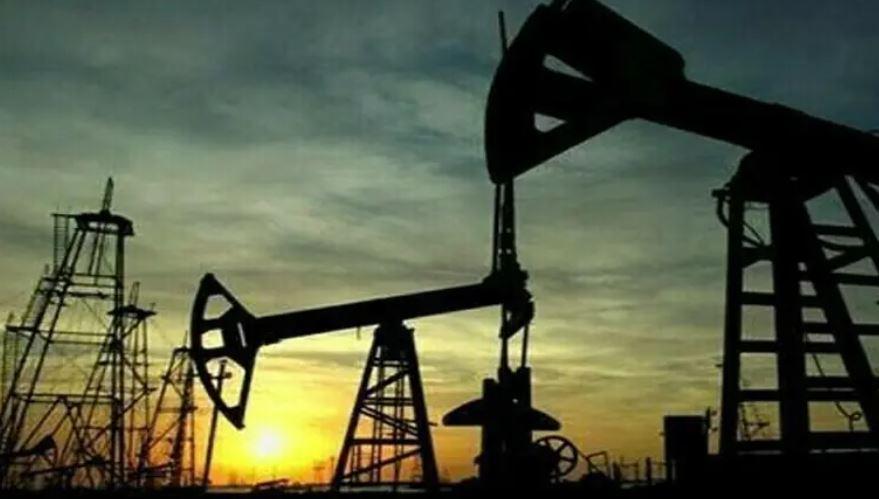
Oil prices fell in a volatile market on Tuesday as the U.S. dollar stayed strong and economic uncertainty offset the bullish impact of a price cap placed on Russian oil and the prospects of a demand boost in China.
Brent crude futures were down 61 cents, or 0.74%, to $82.07 a barrel at 1447 GMT. West Texas Intermediate crude (WTI) fell 51 cents, or 0.66%, to $76.42.
Earlier in the session, both contracts fell by more than $1, while Brent rose by more than $1 in Asian trading.
Crude futures on Monday recorded their biggest daily drop in two weeks after U.S. services industry data indicated a strong U.S. economy and drove expectations of higher interest rates than recently forecast.
The U.S. dollar index edged lower on Tuesday but was still buoyed by bets of higher interest rates, following the biggest rally in two weeks on Monday.
A stronger greenback makes dollar-denominated oil more expensive for buyers holding other currencies, reducing demand for the commodity.
"Inflationary headwinds could still cause global economic turbulence in coming months," said Tamas Varga of oil broker PVM, but added that "China's gradual COVID opening is a tentatively positive development".
In China, more cities are easing COVID-19-related curbs, prompting expectations of increased demand in the world's top oil importer.
The country is set to announce a further relaxation of some of the world's toughest COVID curbs as early as Wednesday, sources said.
The market was weighing the production impact of a price cap of $60 per barrel on Russian crude imposed by the Group of Seven (G7), the European Union and Australia, contributing to market volatility.
The price cap adds to the disruption caused by the EU's embargo on imports of Russian crude by sea and similar pledges by the United States, Canada, Japan and Britain.
The embargo is likely to tighten market supply as the EU has to source crude from elsewhere, Commerzbank analyst Carsten Fritsch said in a note.
Russia has declared its intention not to sell oil to anyone who signs up to the price cap.
The threat of losing insurance will limit Russia's access to the tanker market and could reduce crude exports by 500,000 barrels per day from February levels, said analysts from Rystad Energy in a note.
Russia's January-November oil and gas condensate production rose 2.2% from a year earlier to 488 million tonnes, according to Deputy Prime Minister Alexander Novak, who expects a slight output decline following the latest sanctions.
SOURCE: REUTERS

How did the Cornell rape case go so wrong?
- 2 days ago
ROMO OUT AT CBS AFTER DUI...
- 2 days ago
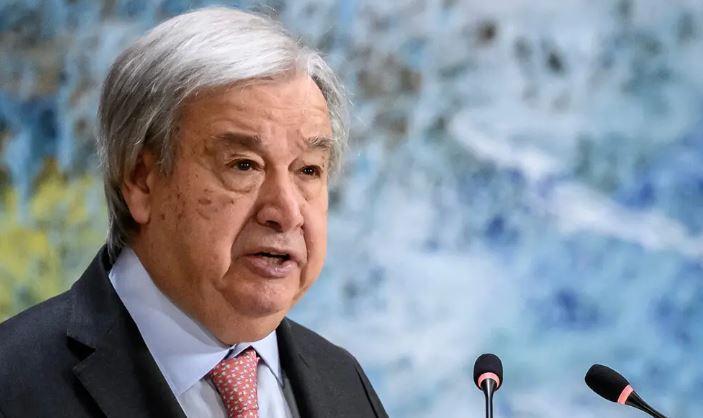
UN Secretary-General Guterres to arrive in Pakistan tomorrow
- 19 hours ago

Gold prices plummet in Pakistan, global markets
- 3 days ago

What color is a tennis ball?
- 4 hours ago

Pakistan's delegation to attend Makkah defence committee meeting in Riyadh today
- 21 hours ago

The best early October Prime Day deals happening now
- 6 hours ago

Apple’s ‘HomePad’ will reportedly launch on October 13th
- 6 hours ago
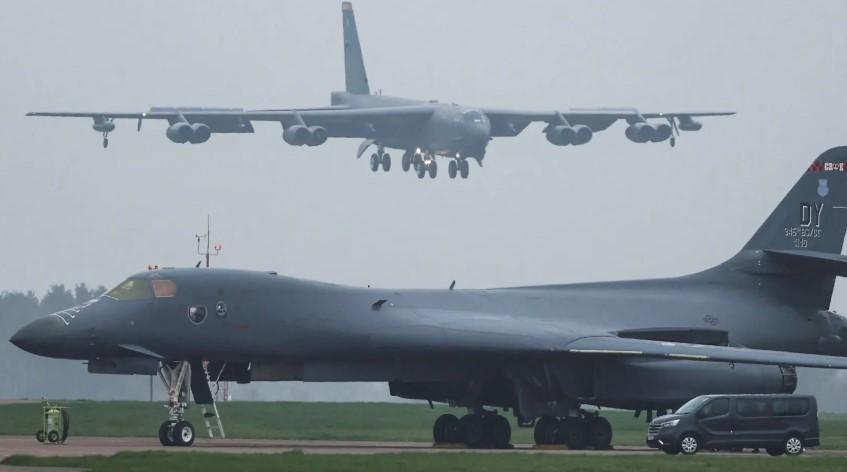
US withdraws all bomber aircraft from UK airbase used during Iran war
- 14 hours ago

Medvedev disqualified from China Open semi after hitting ball into crowd
- 15 hours ago

OpenAI won’t go public until its models are safe
- 6 hours ago

The Sonos Ace Ultra are the headphones Sonos should have made the first time
- 6 hours ago