A report published at the weekend by the Turkish Enterprise and Business Confederation put the cost of the damage at $84.1 billion - $70.8 billion from the repair of thousands of homes, $10.4 billion from loss of national income and $2.9 billion from loss of working days.

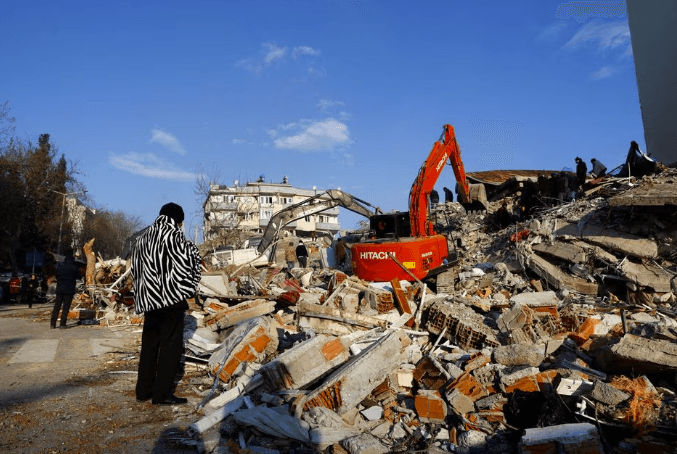
Ankara: Turkey's worst earthquake in almost a century has left a trail of destruction that could cost Ankara up to $84.1 billion, a business group said, while a government official put the figure at more than $50 billion.
The combined death toll in Turkey and Syria from last Monday's 7.8 magnitude quake approached 36,000 and looked set to rise, as the focus of the response switched from rescuing survivors trapped under the rubble to providing shelter, food and psychosocial care.
A report published at the weekend by the Turkish Enterprise and Business Confederation put the cost of the damage at $84.1 billion - $70.8 billion from the repair of thousands of homes, $10.4 billion from loss of national income and $2.9 billion from loss of working days.
It said the main costs would be rebuilding housing, transmission lines and infrastructure, and meeting the short, medium and long-term shelter needs of the hundreds of thousands left homeless.
President Tayyip Erdogan has said the state will complete housing reconstruction within a year and the government was preparing a programme to "make the country stand up again".
Some 13.4 million people live in the 10 provinces by hit by the quake, or 15% of Turkey's population, and it produces close to 10% of GDP.
The earthquake's impact on gross domestic product is unlikely to be as pronounced as after the 1999 earthquake in northwest Turkey, which struck the industrial heartland, IMF Executive Director Mahmoud Mohieldin said on the sidelines of the Arab Fiscal Forum on Sunday.
Mohieldin added that, after the initial impact over the next few months, public and private sector investments in rebuilding could boost GDP growth going forward.
Nonetheless, economists and officials estimated the quake would cut economic growth by up two percentage points this year.
The government forecast growth at 5% in 2022 and had estimated growth at 5.5% in 2023 before the quake.
Turkey is due to hold presidential and parliamentary elections this summer - the biggest challenge to Erdogan during his two decades in power.
A three-month state of emergency has been declared in the 10 provinces affected and the central bank has postponed payments on some loans. The Treasury declared force majeure until the end of July and postponed tax payments for the region.

West Bank settlers brutally attack a Washington Post journalist
- 2 گھنٹے قبل

Hands-on with the Apple Home Collection
- 19 گھنٹے قبل

Buying Apple’s wall-mounted HomeView? The mount costs extra
- 19 گھنٹے قبل

Jodar apologises for swearing at ball kid in Shanghai
- 2 دن قبل

Here are all the new HomePod Mini 2 colors
- ایک دن قبل

Character.AI files for bankruptcy
- ایک دن قبل
The Ocarina of Time remake feels remarkably modern — and surprisingly terrifying
- ایک دن قبل

Trump’s revenge campaign comes for Ilhan Omar
- ایک دن قبل

Florida’s uniquely horrifying death penalty system
- ایک دن قبل

Pakistan warns India against any misadventure: FO
- 2 دن قبل

Will November stop Trump’s agenda?
- ایک دن قبل

Cold weather and high prices could flip the Senate
- ایک دن قبل