- Home
- Technology
- News
Japan’s new H3 space rocket fails to blast off
JAXA said it was investigating the cause of the apparent failure.

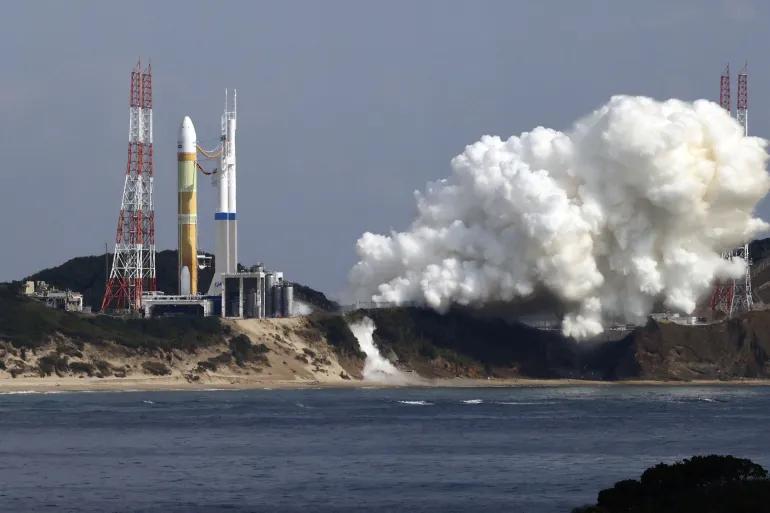
Tokyo: Japan’s new H3 space rocket has failed to blast off because two booster engines did not ignite following the successful ignition of the flagship space vehicle’s main engine, media reported.
During a live stream of the scheduled launch on Friday, the H3’s main engine cut off after the launch countdown reached zero, leaving the 57-metre (187 ft) high rocket standing on its launch pad at the Tanegashima Space Center on Tanegashima Island in the country’s southwestern Kagoshima prefecture.
Japan Aerospace Exploration Agency (JAXA) said the H3’s main engine had ignited but the boosters did not, according to the English edition of Japan’s Mainichi Shimbun newspaper.
JAXA said it was investigating the cause of the apparent failure.
If the launch had been successful, the H3 would have carried Japan’s ALOS-3 land observation satellite into orbit. The observation satellite, which JAXA said is a key tool for disaster-management imaging, is also equipped with an infrared sensor designed to detect North Korean ballistic missiles.
Japan built the H3 to enhance its independent access to space and bolster its chances of capturing a bigger share of the global launch market from rivals, including Elon Musk’s SpaceX. It was designed to put government and commercial satellites into orbit and ferry supplies to the International Space Station.
The H3 replaces Japan’s current rocket mainstay the H2A, of which 46 have been launched so far and which is scheduled to retire after 50 launches, according to The Mainichi news outlet. With its design and manufacture simplified to reduce costs, a basic launch of the H3 costs in the region of $50m, half the cost of launching the older H2A rocket, according to The Mainichi.
Originally scheduled to launch in March 2021, the H3’s takeoff was pushed back to Friday owing to problems with a newly-developed first-stage engine.
In October, Japan’s space agency was forced to abort the flight of an Epsilon-6 unmanned rocket with a self-destruct command less than seven minutes after takeoff. JAXA officials said the rocket – which was carrying satellites – was not in its correct position to safely enter a planned orbit.
The rocket and its payloads were expected to fall into the sea east of the Philippines after the self-destruct order was sent.
SOURCE: AL JAZEERA

Security forces kill 33 terrorists in Balochistan: ISPR
- 2 days ago

Pakistani, Saudi, Turkish military chiefs discuss ways to back KSA under Makkah defence pact
- 2 days ago

Any attempt to divert Pakistan's share of waters will be treated as an act of war: PM Shehbaz
- 2 days ago

Pakistan Customs foils smuggling attempt at Islamabad Airport, seizes contraband worth Rs660mn
- 2 days ago

China, US agree to $30bn tariff cut, AI dialogue during Xi visit
- 2 days ago

More Republicans are breaking from Trump. Is it too little, too late?
- 2 days ago
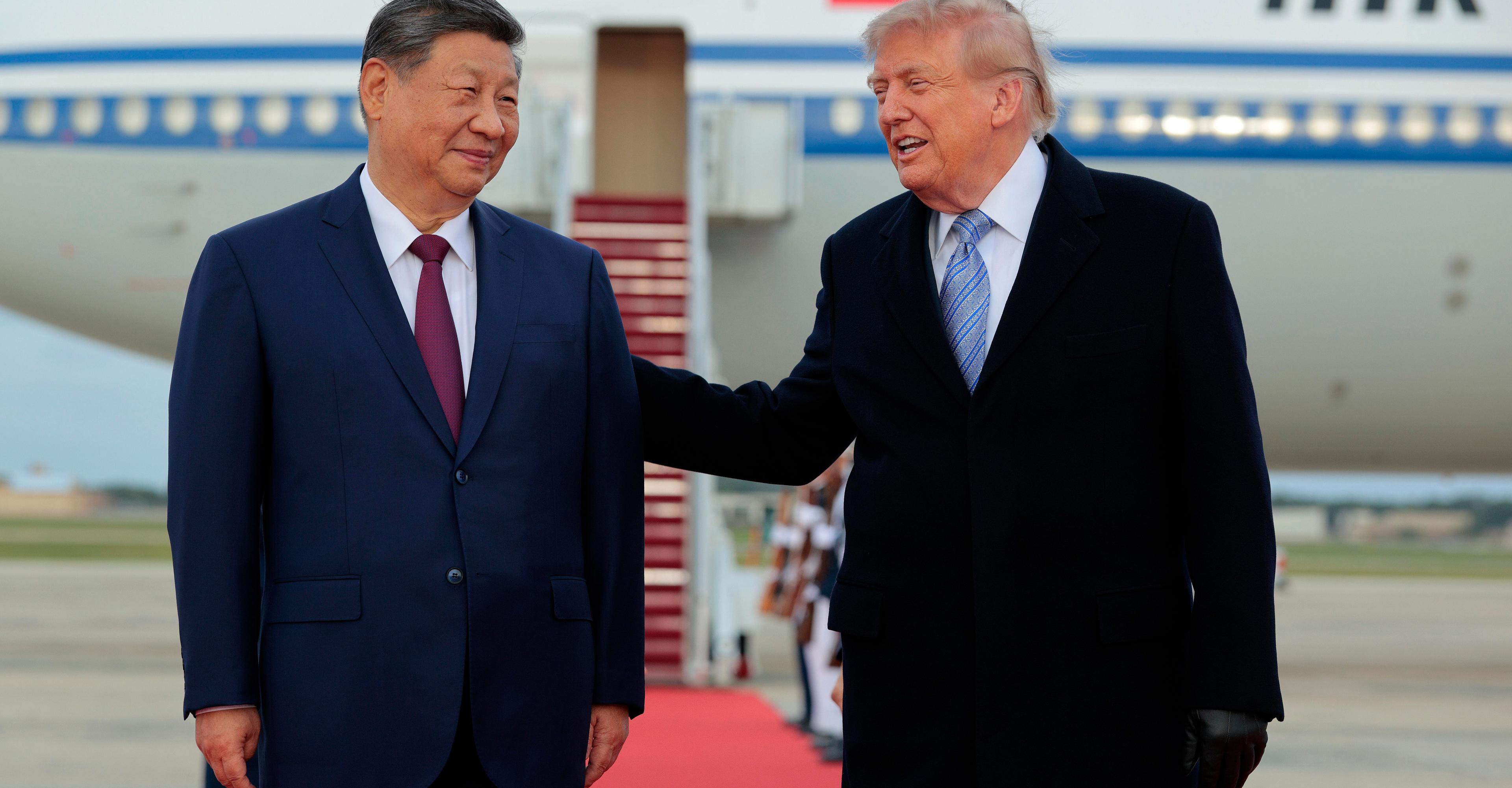
Why Americans are warming to China
- 2 days ago

Susan Collins is the abortion rights movement’s biggest test of 2026
- 2 days ago

Malaysia beat Pakistan by 5-4 goals in Asian Games match
- a day ago
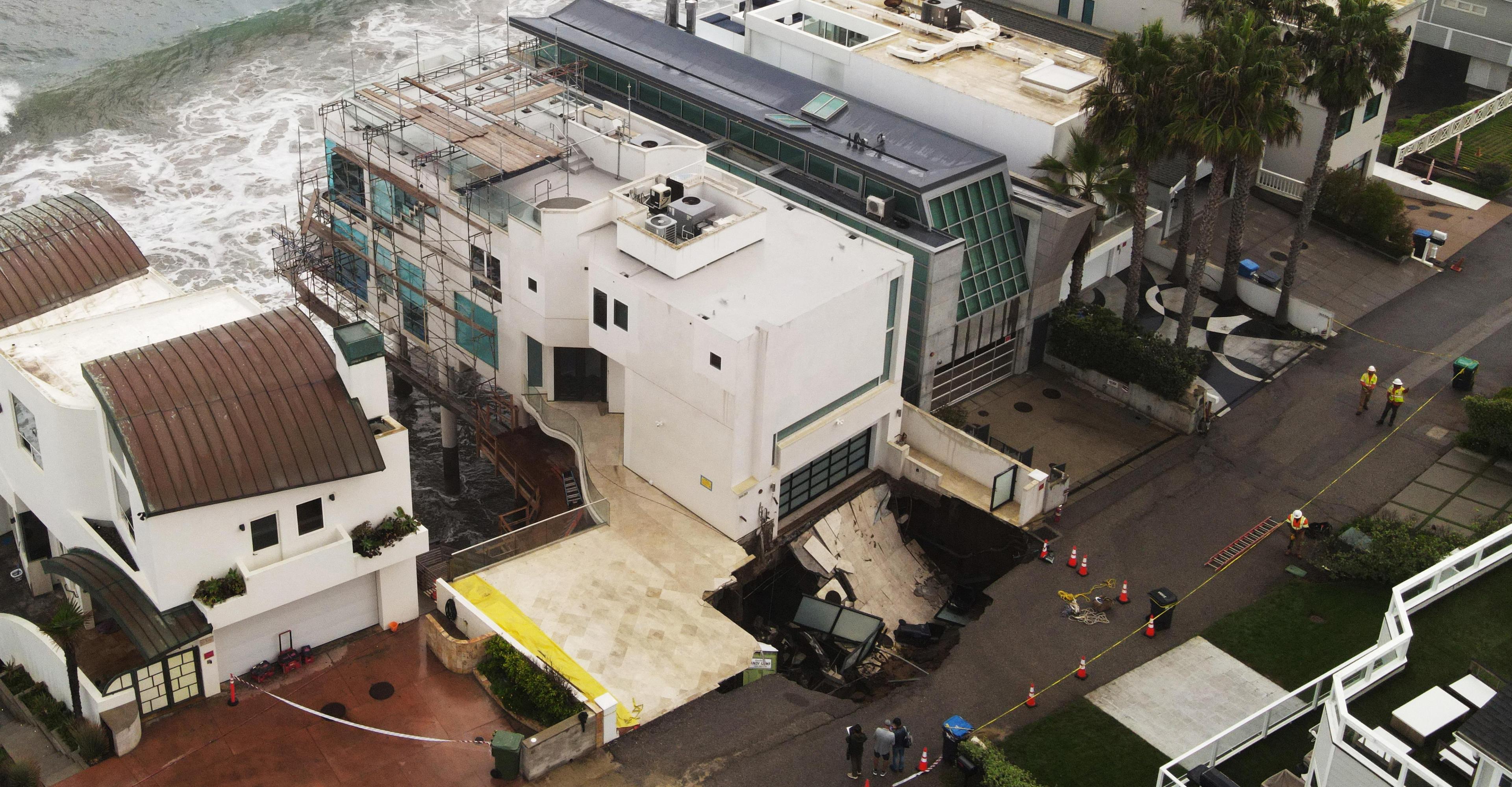
A sinkhole swallowed Nicolas Cage’s driveway. Yours might be next.
- 2 days ago
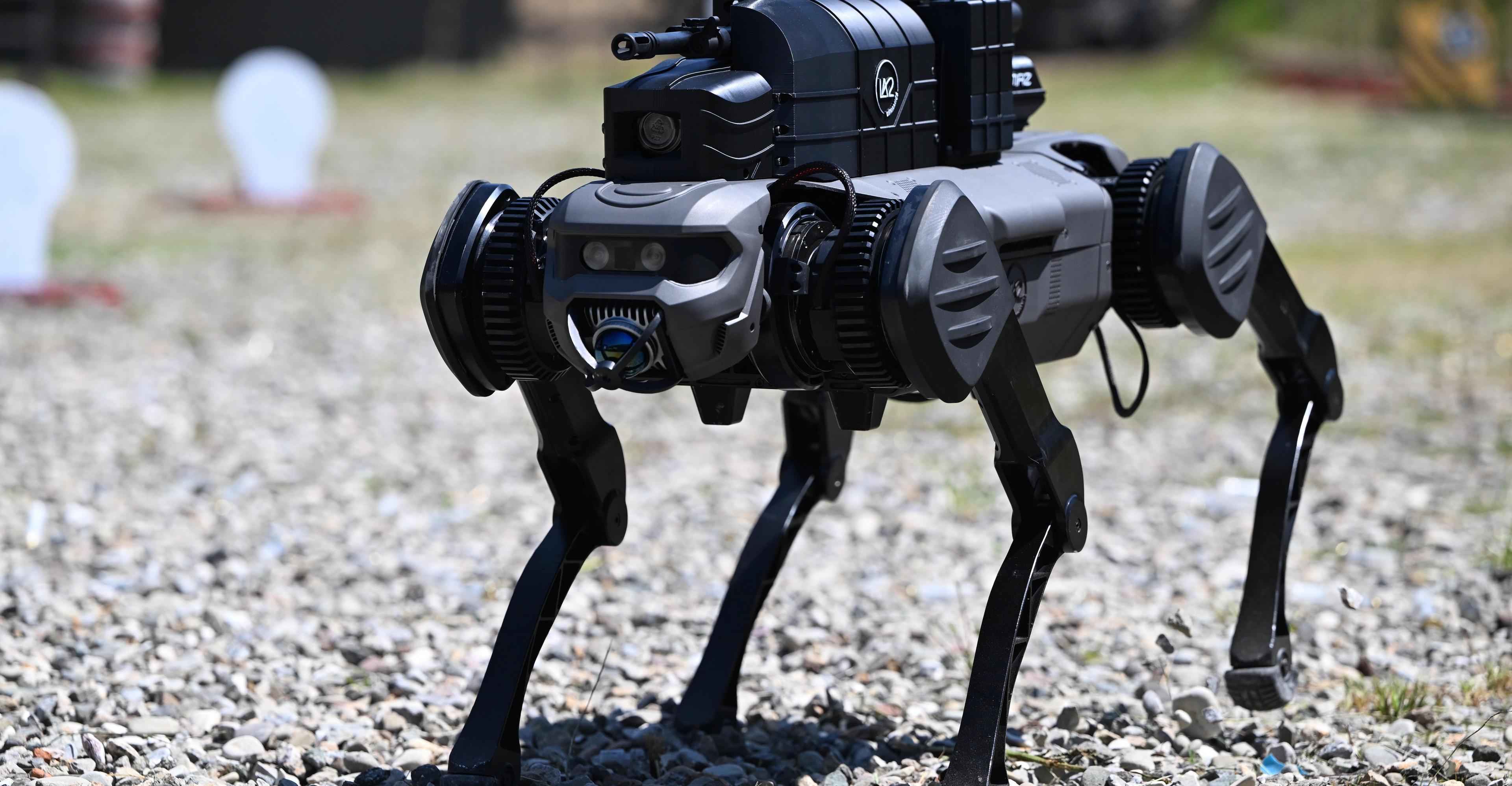
Soldiers can refuse to commit war crimes. Can AI?
- 16 hours ago
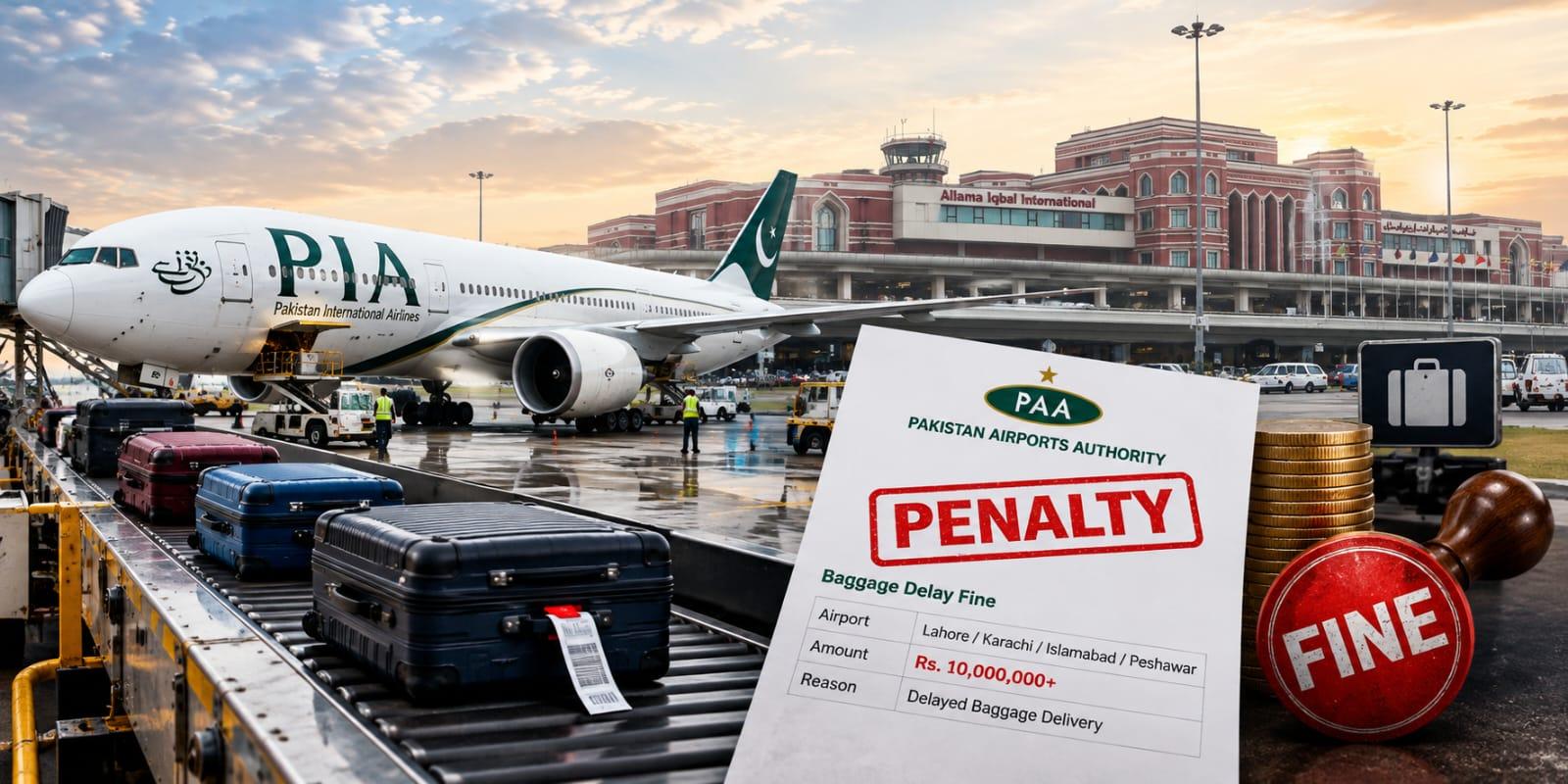
PIA faces over Rs10mn in baggage delay penalties at airports across Pakistan
- 2 days ago