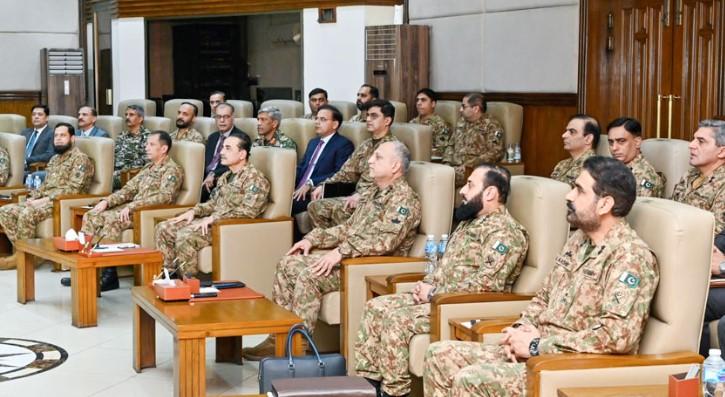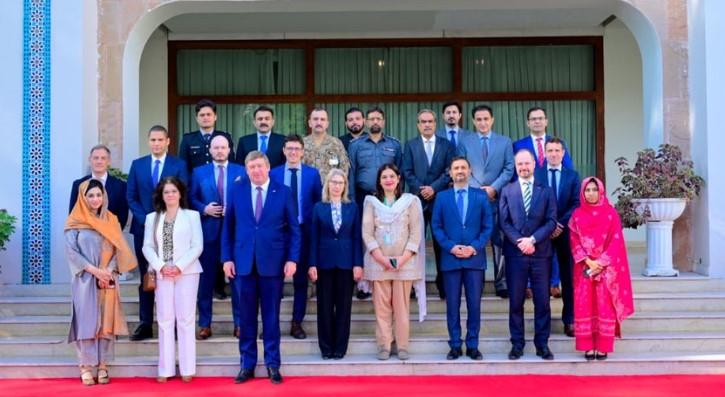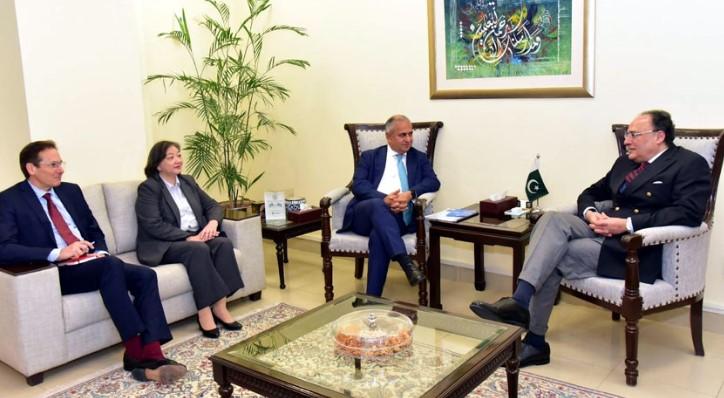
Finance Minister Ishaq Dar tells the parliament that Pakistan and International Monetary Fund (IMF) have detailed negotiations for the last three days as a last efforts to complete the pending review.

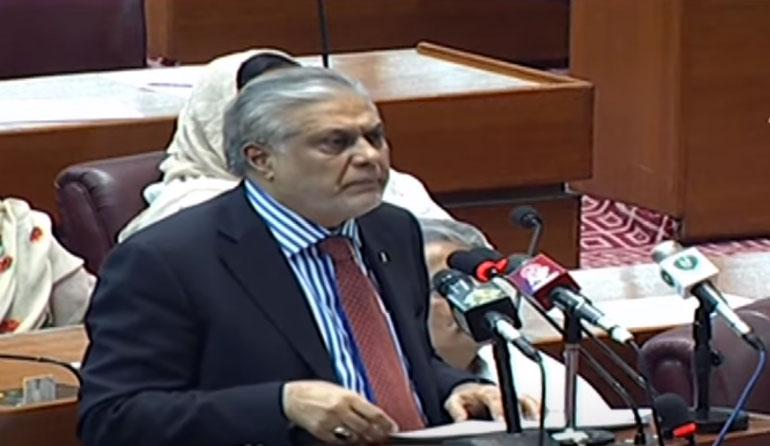
Islamabad: Pakistan changed its budget for the financial year starting on July 1, Finance Minister Ishaq Dar said on Saturday, including the latest fiscal tightening measures dictated by International Monetary Fund in a final effort to clinch a stalled rescue package.
"Pakistan and IMF had detailed negotiations for the last three days as a last effort to complete the pending review," he told parliament.
For the fiscal year starting next month, Pakistan will raise a further 215 billion rupees ($752 million) in new tax and cut 85 billion rupees in spending, as well as a number of other measures to shrink the fiscal deficit, he said.
That will revise Pakistan's revenue collection target to 9.415 trillion rupees ($33 billion) and put total spending at 14.480 trillion rupees ($51 billion), Dar said. "These changes will make our fiscal deficit much better," he said.
"We have ensured that the new tax will not affect the poor," he claimed, and said the petrol levy will be raised from 50 rupees to 60 rupees, and will be capped at the new ceiling for any future changes.
He also announced lifting of restriction of all imports enforced in December in a bid to cut the current account deficit, which has been one of the major concerns by the IMF to release the funds.
Money allocated for cash handouts to the poor was also revised from 450 billion rupees to 466 billion rupees for fiscal 2024, Dar said.
The review came a day after Prime Minister Shehbaz Sharif met with IMF Managing Director Kristalina Georgieva on the sidelines of the Global Financing Summit in Paris.
There is less than a week to go before the IMF's Extended Fund Facility agreed in 2019 expires on June 30.
Under the $6.5 billion facility's ninth review, negotiated earlier this year, Pakistan has been trying to secure $1.1 billion of funding stalled since November.
With central bank foreign exchange reserves barely enough to cover one month of controlled imports, Pakistan is facing an acute balance of payment crisis, which analysts say could spiral into a debt default if the IMF money doesn't come through.
The IMF funding is critical to unlock other bilateral and multilateral financing for the debt-ridden South Asian economy.
"I hope, God willing, that we will have an agreement with the IMF," Dar said.

Should you let a chatbot manage your money?
- ایک دن قبل

What do you do when your love and your life are in two different places?
- 7 گھنٹے قبل

Jack Dorsey’s Block made an AI model that talks to you like an awkward new friend
- ایک دن قبل
Trump says Sundar Pichai talked him out of renaming the Atlantic Ocean
- ایک دن قبل
Microsoft shuts down its beloved maker space
- ایک دن قبل

Delta can turn the iPhone Duo into your favorite folding handheld
- ایک دن قبل

OpenAI now trains its frontier AI models with no internet access
- ایک دن قبل

PHP: The three little letters wreaking havoc across the web
- ایک دن قبل

Trump is trying to overturn an election that hasn’t happened yet
- ایک دن قبل

Apple will label apps that are ‘Made for iPhone Duo’
- ایک دن قبل

Sure, let’s smoosh SpaceX and Tesla together, who cares
- ایک دن قبل

Samsung’s latest 55-inch Frame TV is down to its lowest price yet
- ایک دن قبل