Facility, located at Bagh Ibn-e-Qasim, will begin supplying biogas from December 15, 2025, offering a practical solution to gas shortages faced by Clifton’s low-income households

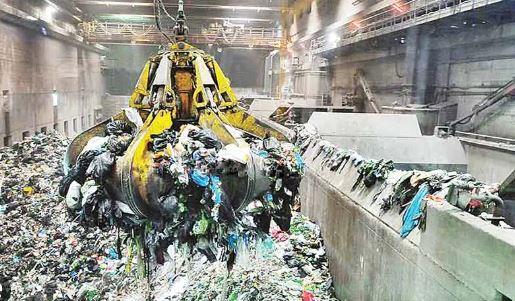
Karachi: Karachi is set to take a major step toward clean, affordable energy as the Sindh Solid Waste Management Board (SSWMB) announces the launch of its first biogas plant, designed to convert organic waste into low-cost cooking fuel for underserved communities.
The facility, located at Bagh Ibn-e-Qasim, will begin supplying biogas from December 15, 2025, offering a practical solution to gas shortages faced by Clifton’s low-income households.
This was revealed by SSWMB Managing Director Tariq Ali Nizamani during a seminar on sustainable waste management organised by the FPCCI Standing Committee on SDGs and the National Forum for Environment & Health (NFEH) at the Federation House.
Affordable Energy for Gas-Deprived Citizens
The biogas plant will process seven tonnes of livestock waste daily, producing enough fuel for 70 to 80 nearby households. Families will receive the biogas at a subsidised rate of Rs 2,000 per month, significantly reducing their kitchen fuel expenses amid ongoing nationwide gas shortages and rising LPG prices.
Nizamani noted that the initiative demonstrates how Karachi’s organic waste—often dumped untreated into the sea—can instead be transformed into a reliable, economical energy source. In its next phase, the plant will also generate electricity to help resolve lighting issues at the historic Bagh Ibn-e-Qasim park.
A Cleaner Karachi Through Waste-to-Energy
SSWMB also plans to establish another biogas facility at Karachi’s Cattle Colony to further expand green energy production and reduce marine and environmental pollution. Karachi generates over 14,800 tonnes of waste daily, with 42% consisting of organic matter suitable for biogas or compost. By diverting this waste from landfills and waterways, the city can reduce emissions, curb sea contamination, and promote a circular economy.
Strengthening Waste Discipline Across the City
To ensure cleaner roads, Nizamani disclosed that the SSWMB has requested provincial authorisation to impose fines of up to Rs 20,000 on waste-transport vehicles that litter the city by operating carelessly. Penalties for citizens violating anti-littering rules are also under consideration.
The Managing Director further highlighted that 13,000 workers and 2,305 vehicles are currently operating across Karachi, with modern technology enabling real-time monitoring from household collection to landfill disposal. A dedicated helpline, call centre, and mobile app remain active 24/7 for public complaints.
Upgrading Karachi’s Waste Infrastructure
He added that the World Bank-funded Solid Waste Emergency and Efficiency Project (SWEEP) is modernising garbage transfer stations and developing Karachi’s first fully engineered sanitary landfill.
Speakers from FPCCI, NFEH, the Dawoodi Bohra community, and civic activists urged stronger government support, efficient medical waste disposal, and expanded public awareness campaigns to help Karachi achieve sustainable cleanliness.
Later, participants visited the upcoming biogas plant site to review progress ahead of its formal launch.

The Fitbit Edge is for folks who don’t want to go totally screenless
- 3 hours ago

The AI race is back on
- 3 hours ago

Trump is taking his midterms anger out on Ukraine
- 10 hours ago

Microsoft’s new AI chip makes it less reliant on Nvidia’s GPUs
- 3 hours ago
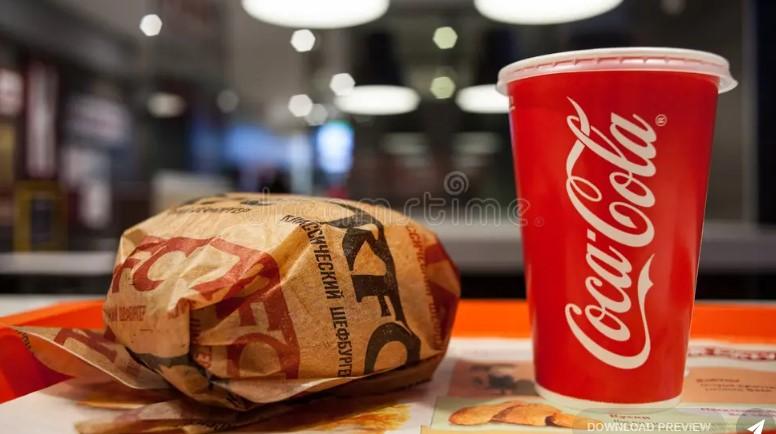
KFC picks Coca-Cola as US soda supplier, ditches longtime partner PepsiCo
- an hour ago
Microsoft and Japan took down a cybercrime network behind over a billion scam messages
- 3 hours ago

My AI doppelganger tells me what to eat
- 12 hours ago

The Nothing Headphone A are half off for the first time
- 12 hours ago

Halo’s co-creator wrote a novel about AI taking over the world
- 3 hours ago

Your flu shot can’t wait
- 10 hours ago

Ukraine claims Starlink is suddenly disrupting service for its military
- 12 hours ago
The problem with the US surrogacy system
- 10 hours ago