Another major automaker is jumping on the Tesla bandwagon. Hyundai announced today its plans to adopt the North American Charging Standard (NACS), aka the “Tesla plug,” for its future electric vehicles.
Technology
- Home
- Technology
- News
Hyundai’s future EVs will also have Tesla’s EV charging port
Hyundai will feature Tesla’s EV charging port on its future vehicles. The South Korean company is the latest to adopt Tesla’s North American Charging Standard.

Published 3 years ago on Oct 6th 2023, 10:00 am
By Web Desk
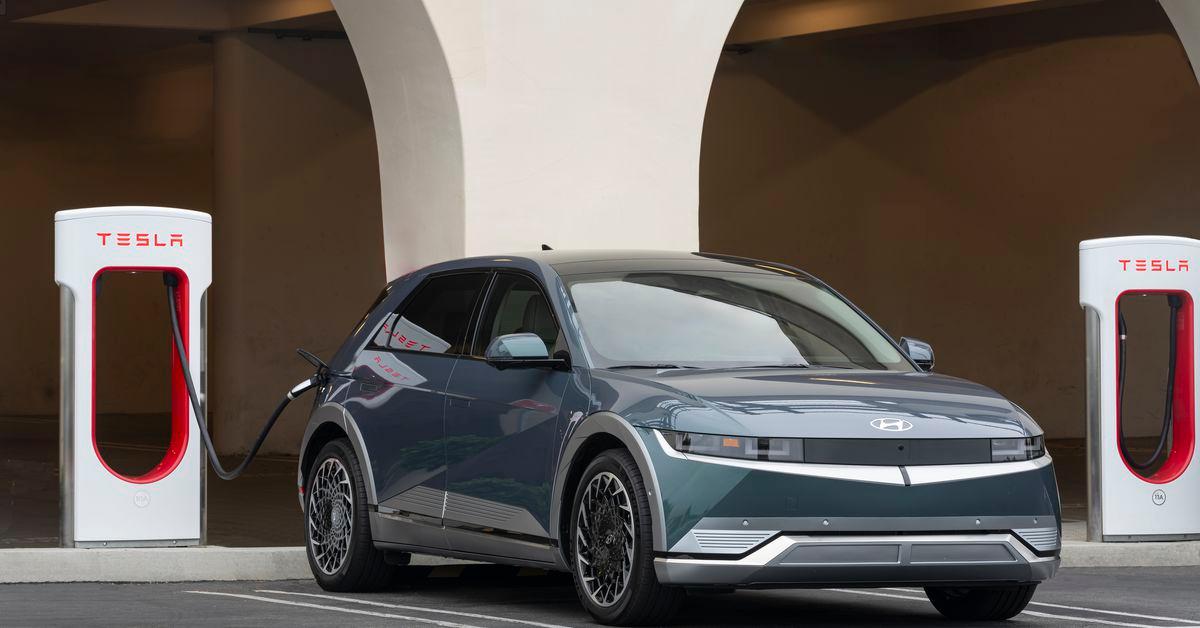
Hyundai models compatible with Tesla’s NACS plug will start arriving in the fourth quarter of 2024. In the first quarter of 2025, the automaker will also provide adapters to its current customers so they can access Tesla Supercharger stations. Hyundai’s current EV lineup, which includes the Ioniq 5 and Ioniq 6, both have charging ports that are compatible with the Combined Charging Standard, or CCS, for DC fast charging.
So let’s just look at the scoreboard really quick
NACS adoptees include Ford, GM, Rivian, Volvo, Polestar, Nissan, Mercedes-Benz, Jaguar Land Rover, and Fisker. The holdouts are two of the biggest automakers in the world: Volkswagen and Toyota. And no word on Hyundai’s sibling company, Kia.
Hyundai and Kia are both involved in a joint venture with BMW, GM, Stellantis, and Mercedes-Benz to build out a nationwide network of fast EV charging stations. The plan is to install at least 30,000 high-speed EV chargers by 2030, with the first ones to open summer 2024 in the US.
Tesla’s Supercharger network is widely recognized as superior to many of the third-party EV charging stations, most of which feature CCS plugs and the less utilized CHAdeMO charging standard. The company says it has 45,000 Superchargers worldwide, 12,000 of which are located in the US.
And while other EV charging stations struggle with software glitches and faulty chargers, Tesla says its Superchargers are nearly perfect in their reliability. The company says that the average uptime of Supercharger sites last year amounted to 99.95 percent, down marginally from 99.96 percent in 2021.
Until recently, Tesla Superchargers were exclusive to Tesla owners, but that began to change several years ago when the company started offering access to non-Tesla EVs. Earlier this year, the Biden administration announced that Tesla would begin to do the same in the US as a prerequisite to tap into some of the $7.5 billion for EV charging in the Bipartisan Infrastructure Law.
Unlike in Europe, Tesla Superchargers in the US use a proprietary connector — this was Tesla’s “competitive moat,” the thing that initially offered protection from other automakers. In order to allow non-Tesla vehicles to access the chargers, the company installed a device called the “Magic Dock,” in which a CCS adapter is applied to the connector.

Pakistani troops present in Saudi Arabia for decades: DG ISPR
- 7 گھنٹے قبل
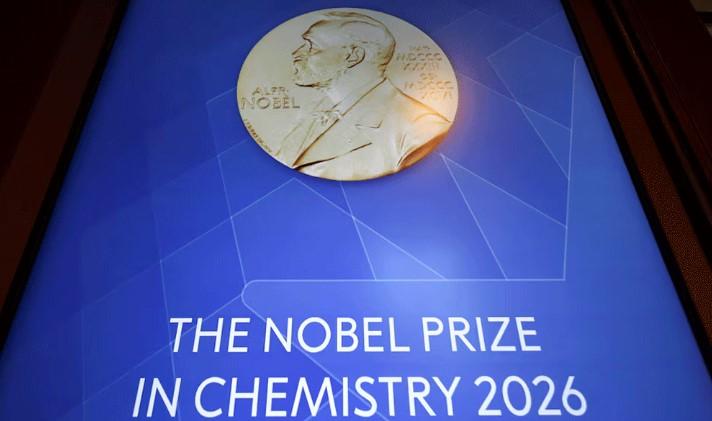
Kagan and Soai win 2026 Nobel chemistry prize
- 13 گھنٹے قبل

What you should know about the Russian “plague lab”
- ایک دن قبل
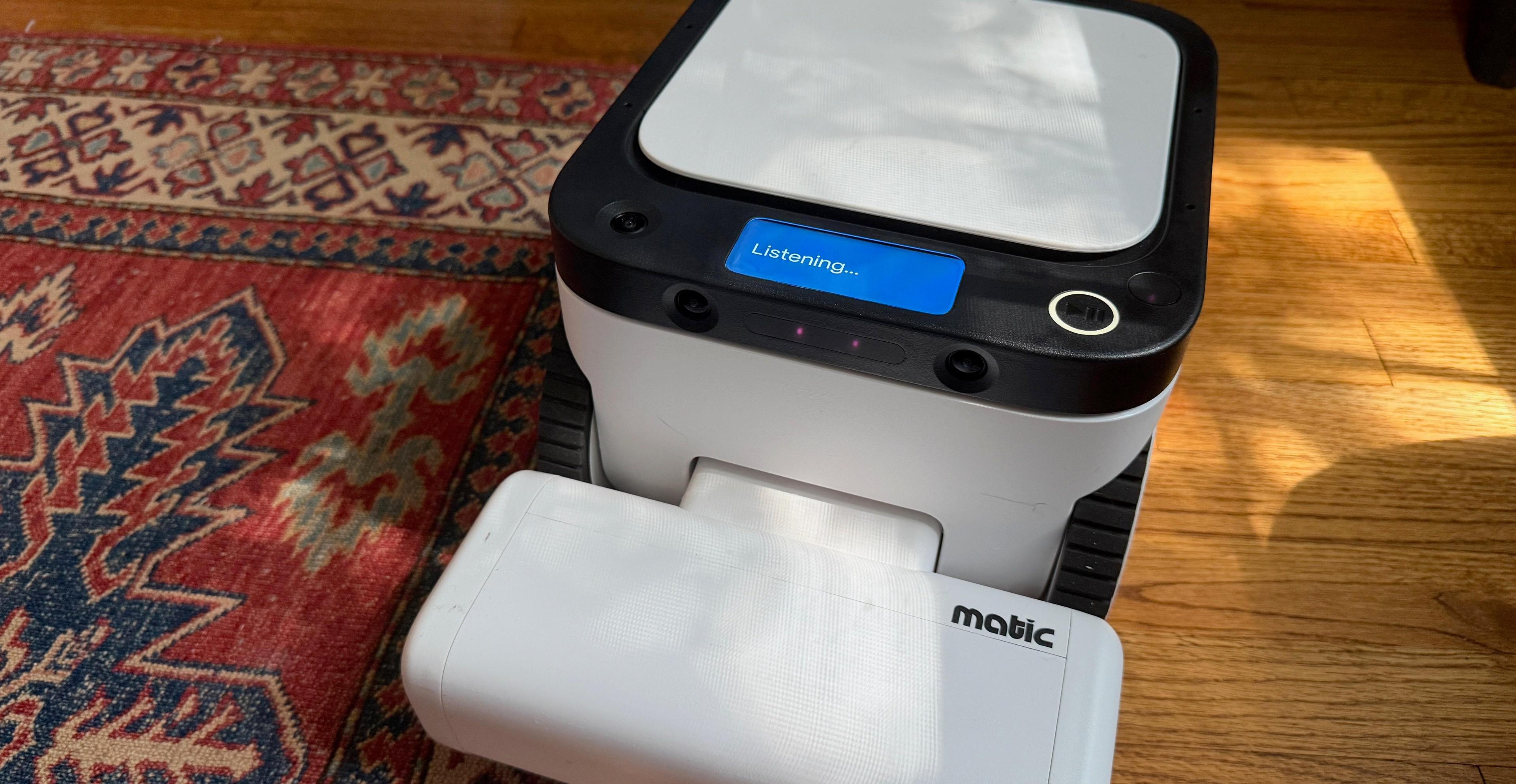
The Matic is the first robovac to get an FCC ban waiver, not that it needs it
- ایک دن قبل
How both parties have changed since 2024
- ایک دن قبل
Trump’s plan to buy votes, briefly explained
- ایک دن قبل

Reverse-engineered games: All the news on video game decomps, recomps, VR and web and 3D ports
- ایک دن قبل
Apple’s new M6 Mac Mini is over $100 off
- ایک دن قبل

Mike Flanagan reimagines 'Carrie' for new generation facing cyberbullying, active shooter drills
- 13 گھنٹے قبل

Pakistan Navy conducts two counter-narcotics operations in Arabian Sea, seizes huge quantity of narcotics
- 11 گھنٹے قبل
India beat West Indies by eight wickets in first T20
- 13 گھنٹے قبل

COAS Munir reaffirms Pakistan's commitment to int'l peace
- 7 گھنٹے قبل
You May Like


Trending