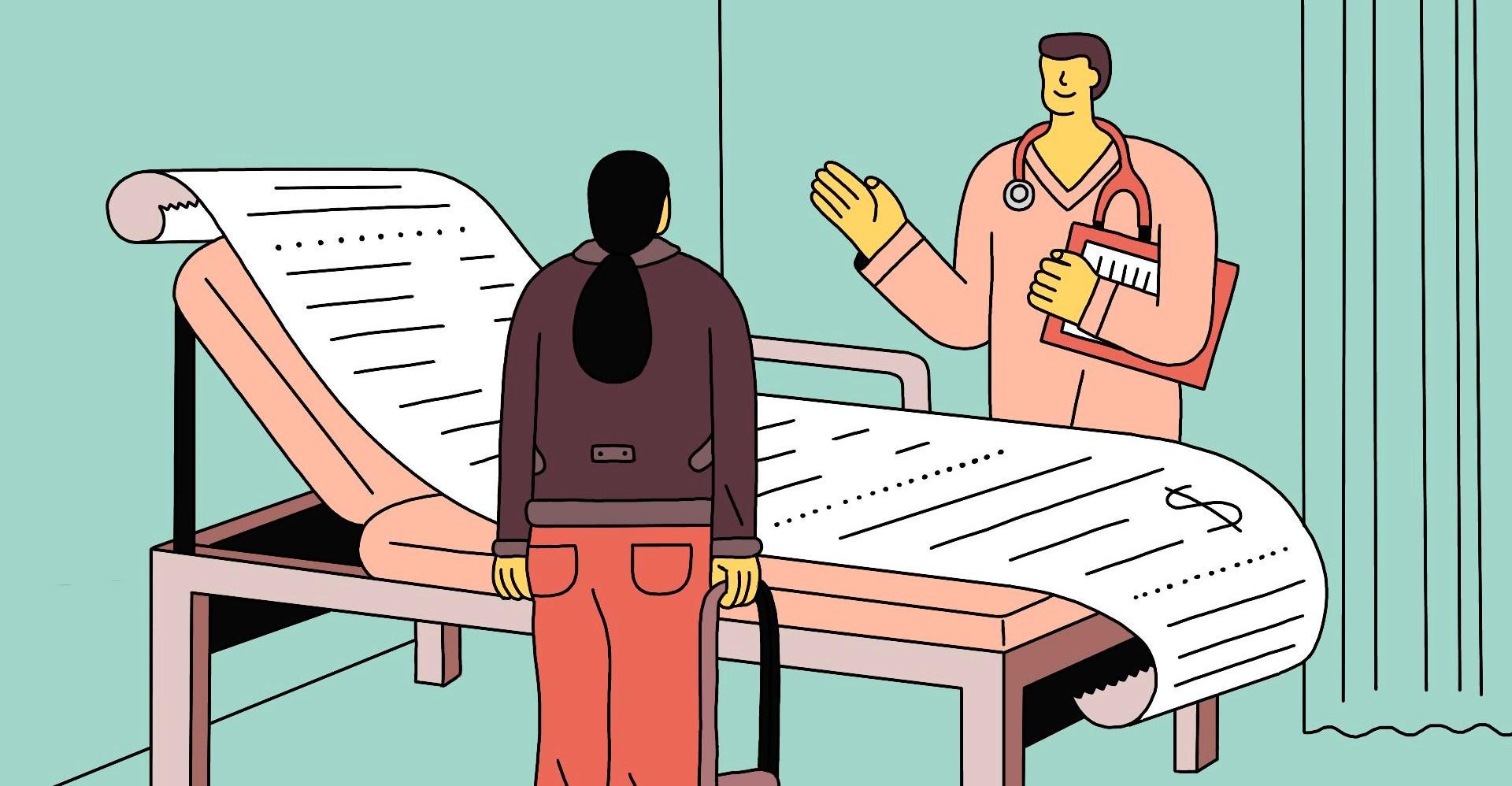
Yale and Dartmouth are bringing testing back — but thousands of other schools aren’t.

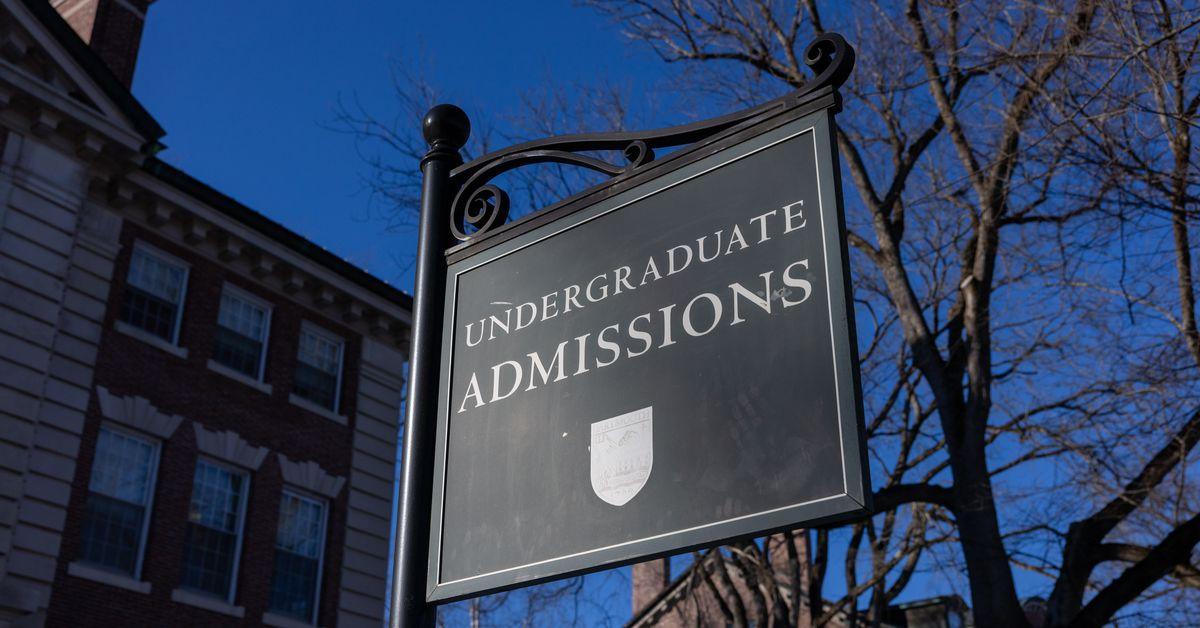
America’s colleges and universities are embroiled in yet another debate about admissions.
This time, they’re rethinking their positions on standardized testing.
At the start of the COVID-19 pandemic, several elite colleges made the submission of SAT and ACT scores optional for applicants.
Testing had become a hassle, with limited testing locations and time for students to get prepared. The anti-testing movement had long contended that standardized tests reinforce racial and economic inequality and that reliance on them harms students from disadvantaged backgrounds. During the pandemic, those students faced additional roadblocks. Schools loosened restrictions to simplify the process for everyone.
But last week, Yale University announced that it was reversing course.
Going forward, students must include test scores with their applications, and for the first time, the school is allowing applicants to report Advanced Placement (AP) or International Baccalaureate (IB) exam scores in place of SAT or ACT scores.
The move follows two others reinstating testing requirements of some kind: Dartmouth College earlier this month and MIT in 2022.
So why are (a few elite) school leaders changing their minds?
They’re pointing to new research that says that test scores are actually helpful for admissions decisions — and beneficial for marginalized students.
Do standardized tests make school admissions more or less fair?
The anti-testing movement has long held that tests maintain inequality and are a disservice to students from disadvantaged backgrounds.
There are reasons for that: Tests can be discriminatory.
A study from Opportunity Insights, a group of Harvard economists, found that “students from low-income families and other less advantaged backgrounds have lower standardized test scores and are less likely to take the test than students from higher income families” due to “differences in school quality, neighborhood exposure, and many other environmental conditions.”
But that wasn’t their central finding. They and the other researchers fueling the recent admissions reversals have found that test-optional practices harm students from low-income backgrounds.
That’s because when given the option to submit scores, these students decided not to submit them out of fear that their scores weren’t perfect.
Instead, admissions counselors have found that strong scores from students of lower-income backgrounds are an indicator that they would excel academically in college.
What does the research say about how universities use test scores?
One thing college admissions officers consider when evaluating a potential student is: Will they succeed here? And researchers have tried to determine the connection between test scores and that college success.
In one study, Dartmouth researchers found that test scores were a better indicator of college performance than grades, essays, or teacher recommendations.
And importantly, researchers found that test scores help admissions officers better pick out high-achieving less-advantaged applicants.
Under the test-optional policy, “many high-achieving less-advantaged applicants choose not to submit scores even when doing so would allow Admissions to identify them as students likely to succeed at Dartmouth and in turn benefit their application,” the researchers wrote.
The Opportunity Insights researchers similarly examined the connection between test scores and student success at IvyPlus institutions (the eight Ivy League colleges plus Stanford, MIT, Duke, and the University of Chicago).
They found that “Even among otherwise similar students with the same high school grades, [...] SAT and ACT scores have substantial predictive power for academic success in college.” These researchers also found that higher high school GPAs are not associated with higher college GPAs.
Yale’s research has identified the same thing. In its announcement, the school wrote, “test scores are the single greatest predictor of a student’s future Yale grades. This is true even after controlling for family income and other demographic variables, and it is true for subject-based exams such as AP and IB, in addition to the ACT and SAT.”
In short, according to Opportunity Insights’ findings, it can be the case that tests reinforce inequality generally but also allow schools to identify individual kids who are academically prepared despite challenging circumstances.
What happens next
Yale and Dartmouth have emphasized that test scores are simply one part of their whole-person review processes.
Using test scores in the years before the pandemic had not harmed Yale’s diversity efforts, the university said in its announcement, citing gains in the number of admitted first-generation college students and under-represented minority students.
And it’s worth pointing out that some of the wealthiest applicants never stopped testing and submitting scores when possible.
Adam Nguyen, who founded Ivy Link, a firm that helps students gain admission to selective colleges, never changed the advice he gave to clients.
“I can tell you that a number of things on the application are ‘optional,’ but to get into the Ivy League and other elite colleges, an applicant has to go above and beyond the minimum requirements,” he said.
And for wealthy students, that can mean paying firms like his tens of thousands of dollars to help curate outstanding extracurricular resumes, design showcase projects, and bolster their grades. Comparatively, he said, “standardized tests are probably the avenue where kids” can excel with fewer resources.
Meanwhile, the anti-testing movement has said the attention to the test-optional reversals is excessive. An overwhelming majority of US colleges and universities remain test-optional.
At least 1,825 four-year colleges in the US — or more than 80 percent of them — will not require SAT or ACT scores for fall 2025, according to FairTest, an organization that advocates against testing requirements.
“Despite a media frenzy around a single Ivy League school reinstating testing requirements, ACT/SAT-optional and test-blind/score-free policies remain the new normal in undergraduate admissions,” said FairTest executive director Harry Feder.
This story appeared originally in Today, Explained, Vox’s flagship daily newsletter. Sign up here for future editions.

How did the Cornell rape case go so wrong?
- ایک دن قبل
ROMO OUT AT CBS AFTER DUI...
- ایک دن قبل

Civilian deaths: Pakistan lodges strong protest with India over border firing incident
- 2 دن قبل

Meta’s Muse AI sent a YouTuber’s address to a stranger
- 2 دن قبل
OpenAI’s new agent is a shot at Meta — but can it compete with free?
- 2 دن قبل

Gold prices plummet in Pakistan, global markets
- 2 دن قبل

Disney World solved a problem that could save America billions every year
- 2 دن قبل

Israeli strike kills five, including four women, in Gaza, health officials say
- 2 دن قبل

India beat Pakistan in final to complete cricket double
- 2 دن قبل

More kids are using AI for companionship — and it’s making them lonely
- 2 دن قبل

The secret to using AI without getting dumber
- 2 دن قبل

Pakistan's delegation to attend Makkah defence committee meeting in Riyadh today
- ایک گھنٹہ قبل