The Kia Boys may have met their match.
Technology
- Home
- Technology
- News
Kia and Hyundai’s anti-theft software update seems to be working
A software update is helping drive down Kia and Hyundai’s car theft rates by half, a new analysis found. The Kia Boys phenomenon began during the covid pandemic.

Published 2 years ago on Aug 15th 2024, 10:00 am
By Web Desk
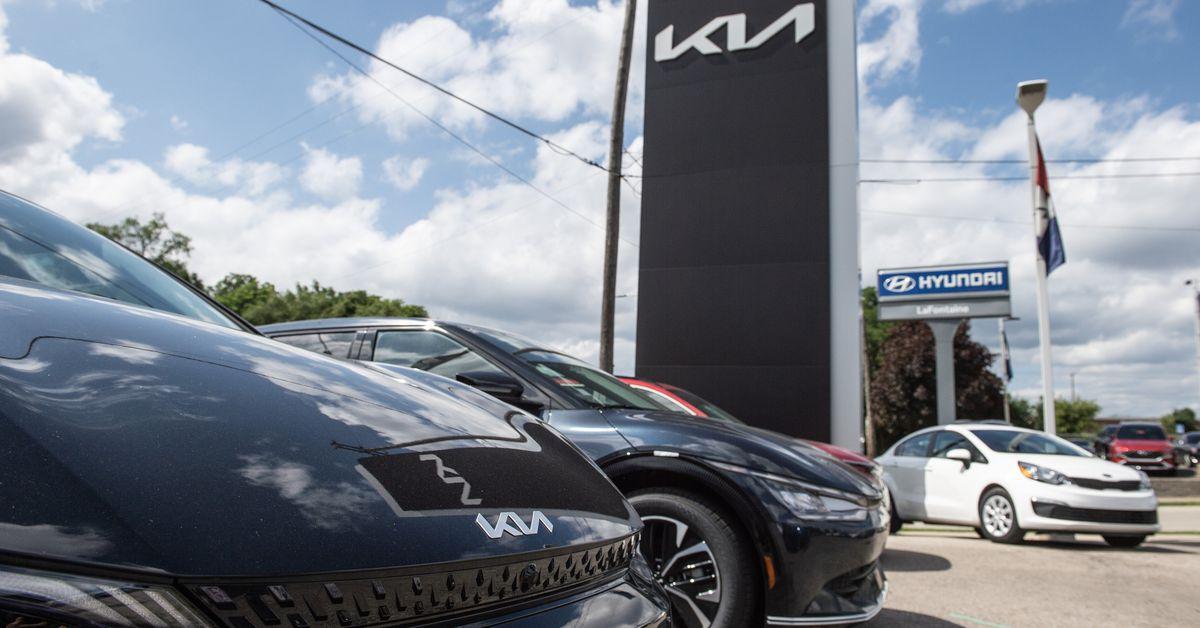
A software update that first rolled out last year to owners of Hyundai and Kia vehicles without electronic immobilizers has cut theft rates by more than half, according to a new analysis from the Highway Loss Data Institute (HLDI).
The automakers first began implementing the update in February 2023 in response to a wave of car thefts that started during the covid pandemic, when instructional videos on how to steal the cars first started going viral on TikTok and other social media platforms.
Thieves calling themselves “the Kia Boys” would post instructional videos about how to bypass the vehicles’ security system using tools as simple as a USB cable. About 9 million vehicles have been impacted, including Hyundai Elantras and Sonatas, as well as Kia Fortes and Souls. The automakers agreed to a $200 million settlement with owners last year.
The thefts are reportedly easy to pull off because many Hyundai and Kia vehicles manufactured between 2015 and 2019 lack electronic immobilizers that prevent would-be thieves from simply breaking in and bypassing the ignition. The feature is standard equipment on nearly all vehicles from the same period made by other manufacturers.
Thieves calling themselves “the Kia Boys” would post instructional videos about how to bypass the vehicles’ security system
According to the HLDI’s database, an estimated 30 percent of the eligible Hyundais and 28 percent of the eligible Kias have received the software update. But the institute’s analysis ends in December 2023; the automakers claim that approximately 60 percent of eligible vehicles have been updated since then.
The update aimed to prevent thefts by extending the length of the alarm sound from 30 seconds to one minute and requiring a key in the ignition switch to turn the vehicle on — essentially acting as a software-based immobilizer.
And so far, it seems to be having some success. HLDI says that theft claim frequencies were 53 percent lower for vehicles with the upgrade than for those that didn’t get it. The frequency of whole vehicle theft saw an even more dramatic drop after the upgrade at 64 percent.
But theft rates for Hyundai and Kia vehicles remain “elevated” as compared to other brands, the institute says — even for models with the update. Theft claim frequency for Hyundai and Kia models in the second half of 2023 “was more than 11 times as high as in the first half of 2020 and more than 8 times as high as the July-December 2023 theft claim frequency for other brands,” the group says.
One possible reason cited by HLDI is that the software-based immobilizer only activates if the driver remembers to lock the vehicle with a key fob, while many people are in the habit of using the switch on the door handle.
Vandalism claims also remain elevated for Hyundai and Kia owners, as would-be thieves are breaking into the vehicles and stealing items and damaging the interior after finding themselves thwarted by the software update.

World economic growth to slow to 2.6pc in 2026, UN trade body says
- a day ago

Disney Plus will stream Super Bowl LXI
- an hour ago
Anthropic bans ‘abusive or cruel behavior’ towards Claude
- a day ago

Xbox is launching a new film and TV division
- a day ago

Is this the cure for Alzheimer’s?
- a day ago

Saudi-led coalition says destroyed more than 100 Houthi targets
- 14 hours ago

Pilot among three Saudi nationals killed in attacks on Riyadh airport, authorities say
- a day ago

President Zardari and PM Shehbaz 'agree' on imposition of emergency in KP: sources
- 8 hours ago

Pakistan calls for immediate de-escalation of Ukraine conflict
- 12 hours ago

No one wants to be “Data Center Dave”
- a day ago

What if making your neighborhood safer means breaking the rules?
- a day ago

PM Shehbaz calls for comprehensive strategy to combat diabetes
- 14 hours ago
You May Like

Trending