Quaid-e-Azam defeated rogue statesmen like Gandhi and Nehru in the political arena


Karachi: The 76th death anniversary of Quaid-e-Azam Muhammad Ali Jinnah is being observed on Wednesday. The history-making figure who single-handedly defeated the British and the Congress and changed the map of the subcontinent by establishing a separate state for the Muslims of India.
Quaid-e-Azam defeated rogue statesmen like Gandhi and Nehru in the political arena, stood as a leaden wall in front of Lord Mountbatten's ambitions, removed his scumbags, and joined them in the struggle of Pakistan.
First, he joined the Congress in the freedom struggle, but when he realized that there was no other option without partition, he worked hard for a separate state for the Muslims.
Quaid-e-Azam tried his best to stabilize the fragmented Pakistan after independence, but life did not give much chance.
In a message to the nation before his death, Quaid-e-Azam described the future path in these words: “The foundation of your kingdom has been laid, now it is your duty to build it”. Quaid-e-Azam Muhammad Ali Jinnah died on September 11, 1948 in Karachi and his 76th death anniversary is being celebrated today.

Benn Jordan on Flock, privacy, and the new surveillance backlash
- 13 hours ago

Meta and Apple team up to make Muse AI models run better on Macs
- 13 hours ago
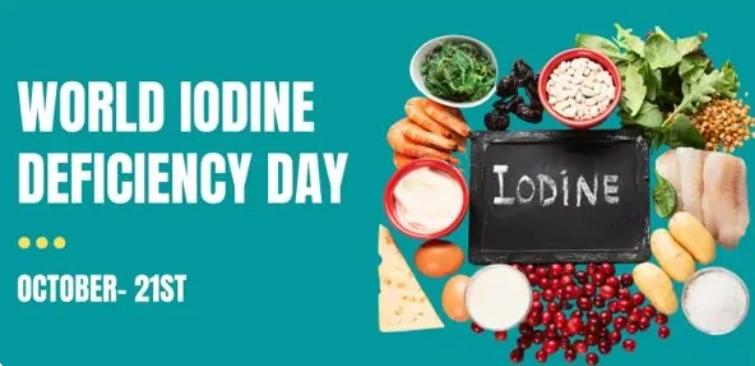
World Iodine Deficiency Day is being observed today
- 12 hours ago
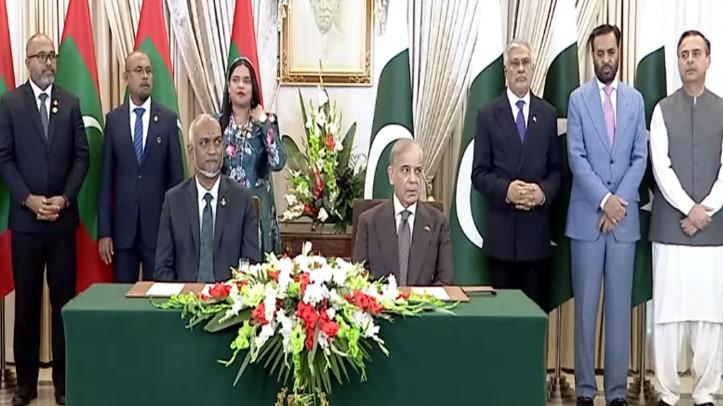
Pakistan, Maldives agree to enhance bilateral trade volume from $13mn to $200mn in next two years
- 12 hours ago

Sony’s WH-1000XM6 headphones are $130 off today only
- a day ago

Google is making inline links more prominent in AI responses
- a day ago

Yemen's Houthis deny launching drones towards Saudi Arabia's Medina
- 8 hours ago

Corruption is finally breaking through to voters this time
- 20 hours ago

Apple’s HomeView has an app problem
- a day ago

At least 10 killed in Rajanpur road mishap
- 12 hours ago
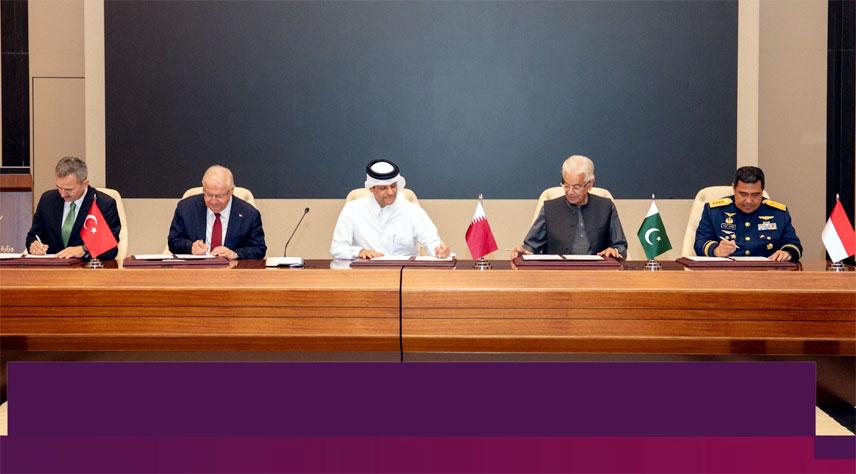
Pakistan, Qatar, Indonesia, Turkiye Sign 'Badr' MoU
- 3 hours ago
Star QB Jalen Hurts out for season after blood clots discovered in lungs...
- 21 hours ago