Oil rises above $108 as attacks, pipeline outage deepen Saudi supply concerns
Brent crude futures rose $2.5, or 2.37%, to $108.18 a barrel at 0813 GMT, while US West Texas Intermediate futures were up $2.46, or 2.43%, at $103.85 a barrel

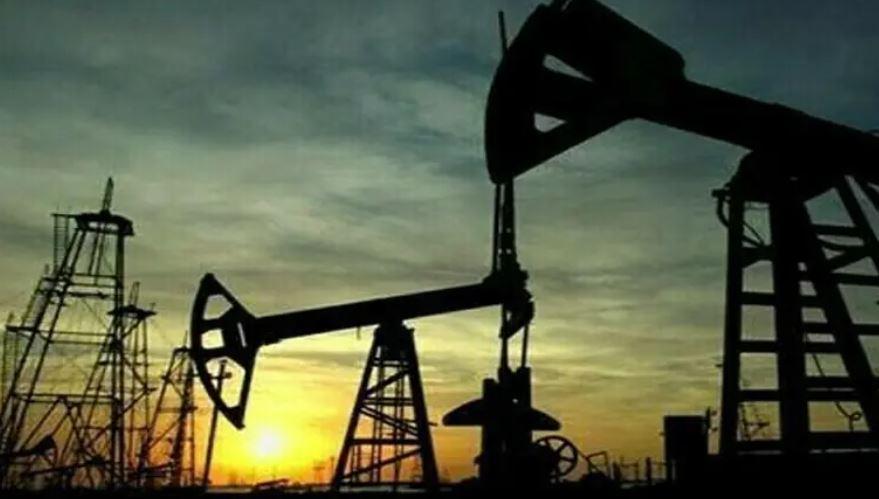
REUTERS -- Oil prices rose more than 2% on Tuesday after attacks on Saudi Arabian energy infrastructure left the kingdom’s East-West pipeline offline, raising fears that damage to energy infrastructure and transport routes could take longer to repair.
Brent crude futures rose $2.5, or 2.37%, to $108.18 a barrel at 0813 GMT, while US West Texas Intermediate futures were up $2.46, or 2.43%, at $103.85 a barrel.
Concerns over oil supplies intensified after Houthi forces in Yemen launched fresh attacks on Saudi Arabia on Monday, while Gulf Arab states postponed planned discussions with Iran.
“Fresh attacks by the Houthis targeting Saudi Arabia may be influencing oil market investors’ expectations about the severity and duration of the conflict,” said Hamad Hussain, senior climate and commodities economist at Capital Economics.
The Houthis on Monday said they fired dozens of missiles and drones at a military airbase in Khamis Mushait in southern Saudi Arabia, targeting aircraft hangars, radar systems, runways and ammunition depots in retaliation for Saudi airstrikes in Yemen.
This followed attacks on Friday on Saudi Arabia, which Riyadh blamed on Iranian-backed fighters in Iraq, that disrupted the country’s East-West pipeline, which allows oil exports to bypass the blockaded Strait of Hormuz, through which about a fifth of global oil supplies previously passed.
Saudi Arabia could exhaust crude available for export within days unless the East-West pipeline resumes operations, according to buyers and traders.
The pipeline strike threatened up to 4% of global oil supply.
“The recent attack may be more severe and could threaten the remaining 2mb/d of recent Yanbu exports, with the latest repair assessments ranging from ‘very soon’ to eight weeks,” Goldman Sachs said in a note.
The attacks on oil infrastructure marked a meaningful escalation of the conflict and increased the probability of Brent rising above $120 a barrel, Goldman Sachs said, citing a scenario in which average Gulf oil output in 2027 remains 4 million barrels per day below pre-war levels.
Commodity vessel traffic through the Strait of Hormuz dropped to four on Monday, down from 10 a day earlier, preliminary data from Kpler showed on Tuesday, raising concerns about a route that carried about a fifth of global oil supplies before the US-Israeli war on Iran kicked off on February 28.
“In the absence of an adjustment in demand or greater oil flows through the Strait of Hormuz, several weeks of the East-West pipeline being closed could lift Brent crude prices towards $130 per barrel,” Hussain said.
Separately, in China, official data showed that oil throughput rose for a second straight month in August, boosted by fuel exports after Beijing eased restrictions in mid-July.

A Trump Mobile breach may have exposed data of more than 3,600 people
- 4 گھنٹے قبل

OpenAI PR tells journalist to ‘move on’ while asking Sam Altman about a ChatGPT user’s suicide
- 4 گھنٹے قبل
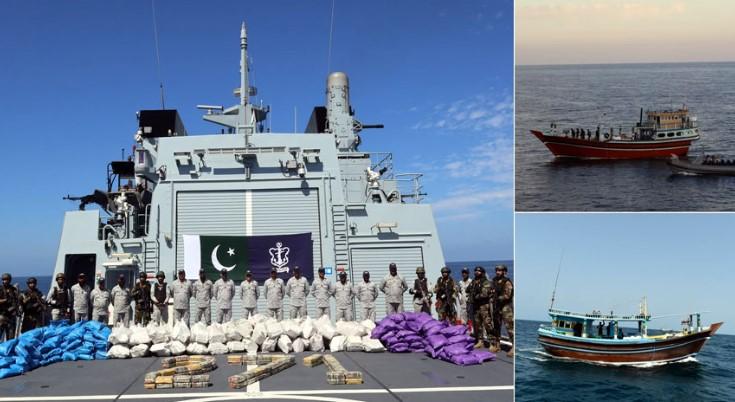
Pakistan Navy conducts two counter-narcotics operations in Arabian Sea, seizes huge quantity of narcotics
- 15 گھنٹے قبل

Pakistani troops present in Saudi Arabia for decades: DG ISPR
- 11 گھنٹے قبل

The real reason the Russia plague case should scare you
- 2 گھنٹے قبل

COAS Munir reaffirms Pakistan's commitment to int'l peace
- 11 گھنٹے قبل

The best robot vacuum and mop deals during October Prime Day
- 4 گھنٹے قبل

The Sonos Beam 2 soundbar is $140 off
- 4 گھنٹے قبل

India beat West Indies by eight wickets in first T20
- 17 گھنٹے قبل

I can’t use Apple’s new Screen Time on my daughter’s iPhone because my son won’t update his MacBook
- 4 گھنٹے قبل

Trump’s “Most EXCLUSIVE DINNER IN THE WORLD”
- 2 گھنٹے قبل

The two athletes in every horse race
- 2 گھنٹے قبل