
Technology
- Home
- Technology
- News
Wyze’s new camera filter claims to cut down on nuisance alerts
Security cameras can be helpful for spotting package thieves, letting you know when your kid got home from school, or scaring off that rascally raccoon rustling around your chicken coop. But constant notifications from these devices can make them more annoyin…

Published 2 سال قبل on مارچ 28 2025، 2:00 شام
By Web Desk

Security cameras can be helpful for spotting package thieves, letting you know when your kid got home from school, or scaring off that rascally raccoon rustling around your chicken coop. But constant notifications from these devices can make them more annoying than useful.
Notification fatigue once made me ignore the repeated motion alerts from a camera when I was enjoying an Easter egg hunt with my kids. I got home to find a dog had killed all my chickens. Now, if those alerts had said “dog chasing chicken” rather than just “motion detected,” I would have paid more attention.
This is the problem that Wyze is attempting to solve with its new “No Big Deal” (NBD) AI filter, which is launching today to owners of its security cameras with a Cam Unlimited Pro subscription.
[Image: The NBD Filter can be turned on in the Wyze app. https://platform.theverge.com/wp-content/uploads/sites/2/2025/03/NBD-Graphic-No-Text-Enable.jpg?quality=90&strip=all]
The idea is that Wyze’s AI filters the events the camera sees and only alerts you to the most important ones, such as “Person breaking into car” or “Baby climbing out of crib.” Wyze says it also won’t repeatedly send you the same alerts — for example, if your kids are playing ball in the front yard for a couple of hours, it will only send an additional notification if a new or unusual activity is detected.
The NBD Filter is part of Wyze’s $19.99 per month or $199.99 per year Cam Unlimited Pro subscription. Wyze says it “provides an intelligent layer of discernment to decide whether a notification is ‘no big deal’ or worthy of alerting the user.”
The company says it trained its AI model to rank detected motions on a scale from one to five, only sending users notifications for “highly ranked events that require attention.” (Recordings of all events are still stored in your app.) Examples it shared include:
* Score 1: For events of low importance, such as routine activities like a robot vacuum cleaning, bugs flying by, passing cars, or even the user entering the room.
* Score 3: For events that might warrant your attention, such as a package delivery or your baby crying.
* Score 5: Important, critical situations such as glass breaking, a gunshot, or an unknown person lingering near your door.
The NBD Filter builds on the company’s AI-powered Descriptive Alerts, launched in January. These alerts send detailed descriptions of events rather than simply alerting you to motion or that a person, pet, or vehicle has been detected. With the filter, the system uses those descriptions to decide whether to alert you.
[Image: The new filter builds on the Descriptive Alerts feature Wyze launched earlier this year. https://platform.theverge.com/wp-content/uploads/sites/2/2025/03/Descriptive-Alerts_2.png?quality=90&strip=all]
The company added AI-powered search last year, allowing you to search recorded footage by keyword. Last year, the company also suffered from a number of security issues, including inadvertently letting unauthorized users see into other people’s homes.
A number of well-known security camera companies have been adding generative AI-powered features to their systems over the last year, but Wyze is the first to launch this type of notification filter.
Ring launched an AI-powered search feature last year, and Google Nest cameras added descriptive alerts powered by Gemini as a beta feature last summer. Arlo also recently added AI-powered personalized alerts, and a new company, Seemour.AI, provides descriptive alerts for Ring cameras for free. We’ll likely see filtering functionality come to more companies soon, but it also carries a fair amount of risk.
While cutting down on the number of alerts a camera sends you is definitely a step in the right direction, it’s a big shift to go from sending you notifications for everything you asked to be notified about to deciding what you should be told about.
When the camera chooses what to show you, you will not be happy if it misses something you deem important. It’s also not clear what type of control the user will have over Wyze’s NBD Filter. For example, I want to know every time my cat is at my back door, but it seems like Wyze would consider that an unimportant event. I’ll be testing out Wyze’s new feature, as well as those from Ring, Arlo, Nest, and others, and will report back soon.
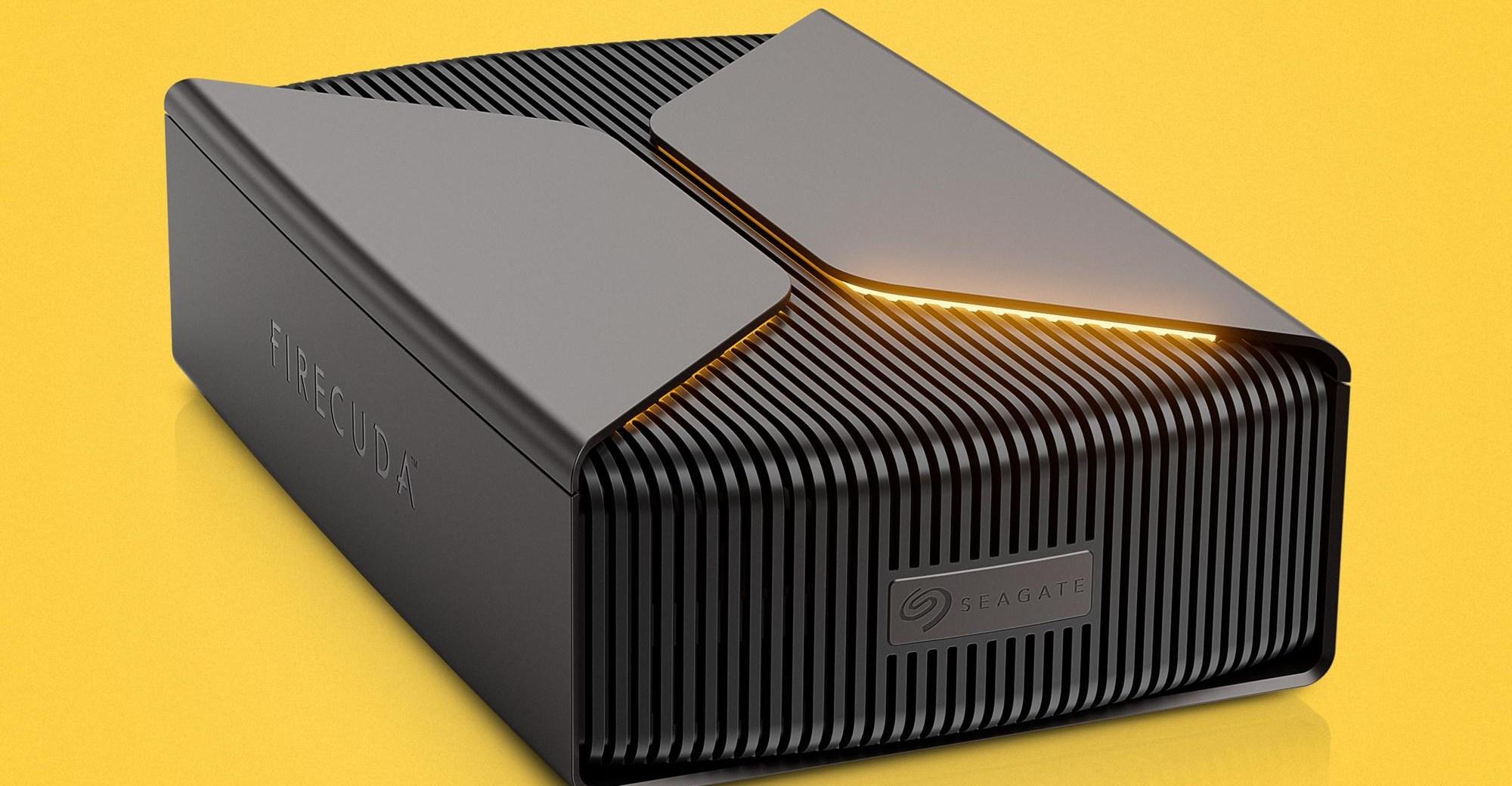
Seagate’s FireCuda Forge moves your data between a hard drive and SSD for better performance
- 19 hours ago
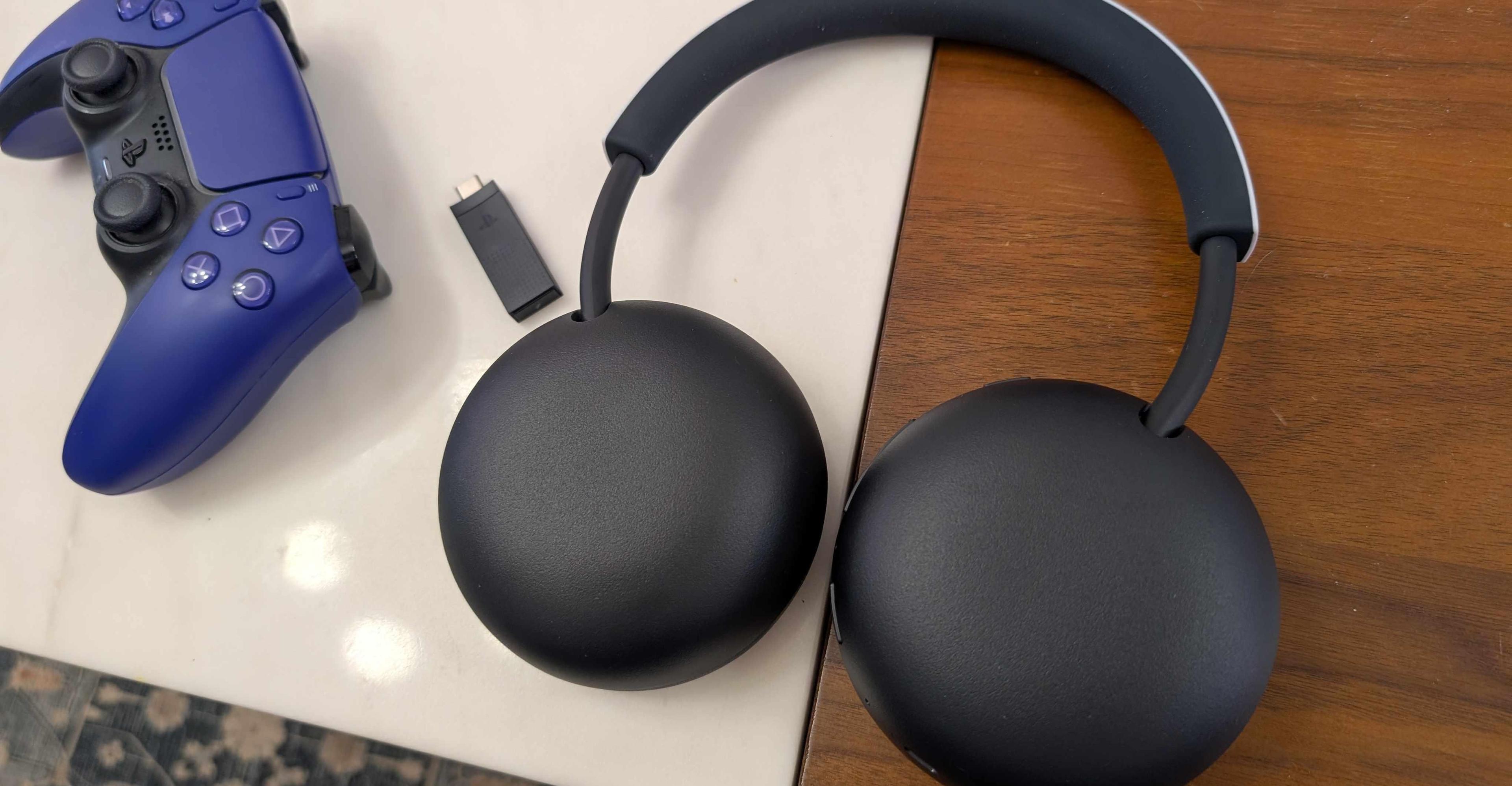
Sony’s latest Pulse wireless headset packs planar magnetic drivers at a good price
- 10 hours ago

How the 7 healthcare workers who just got elected to Congress plan to fix our broken system
- 17 hours ago
Creatine is everywhere. What does science actually say?
- 17 hours ago

What the Democratic leadership fight is really about
- 8 hours ago

Google’s Pixel Tag tracker is now available
- a day ago

How science informs author Emily St. John Mandel’s fiction
- 17 hours ago

Google Fi is bringing back multiple cell network support for better coverage
- 10 hours ago

What to know about the Republican-led effort to impeach Pete Hegseth
- 17 hours ago
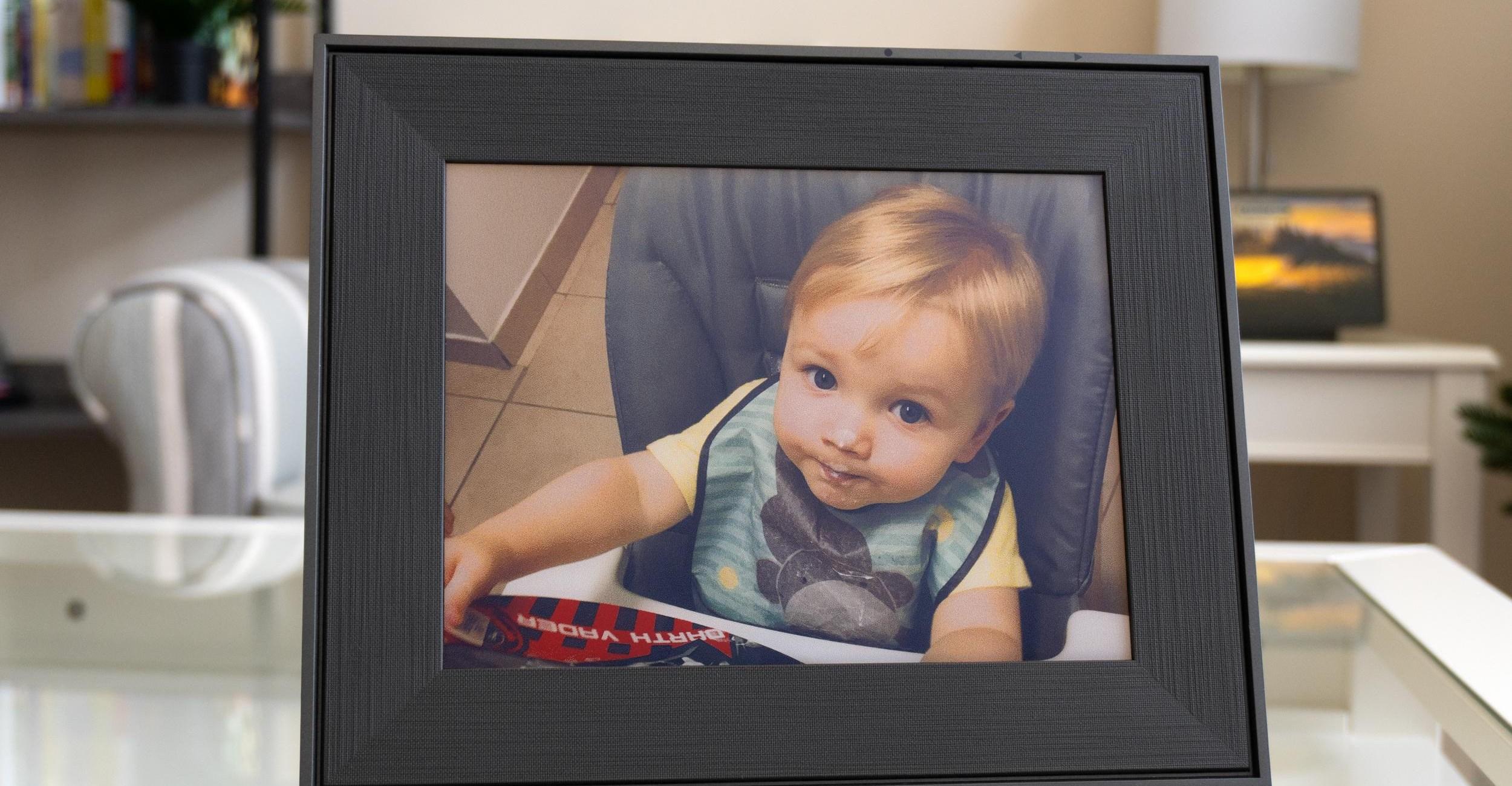
Aura’s next color E Ink photo frame is smaller, cheaper, sharper, and more colorful
- 19 hours ago

Reddit wants to guide your next purchase
- 19 hours ago
Peak Design’s Roller Lite Carry-On is bigger on the inside — and cheaper, too
- 19 hours ago
You May Like