Talks are part of ongoing efforts to revive 2015 nuclear deal, which aims to curb Iran's nuclear programme in exchange for sanctions relief

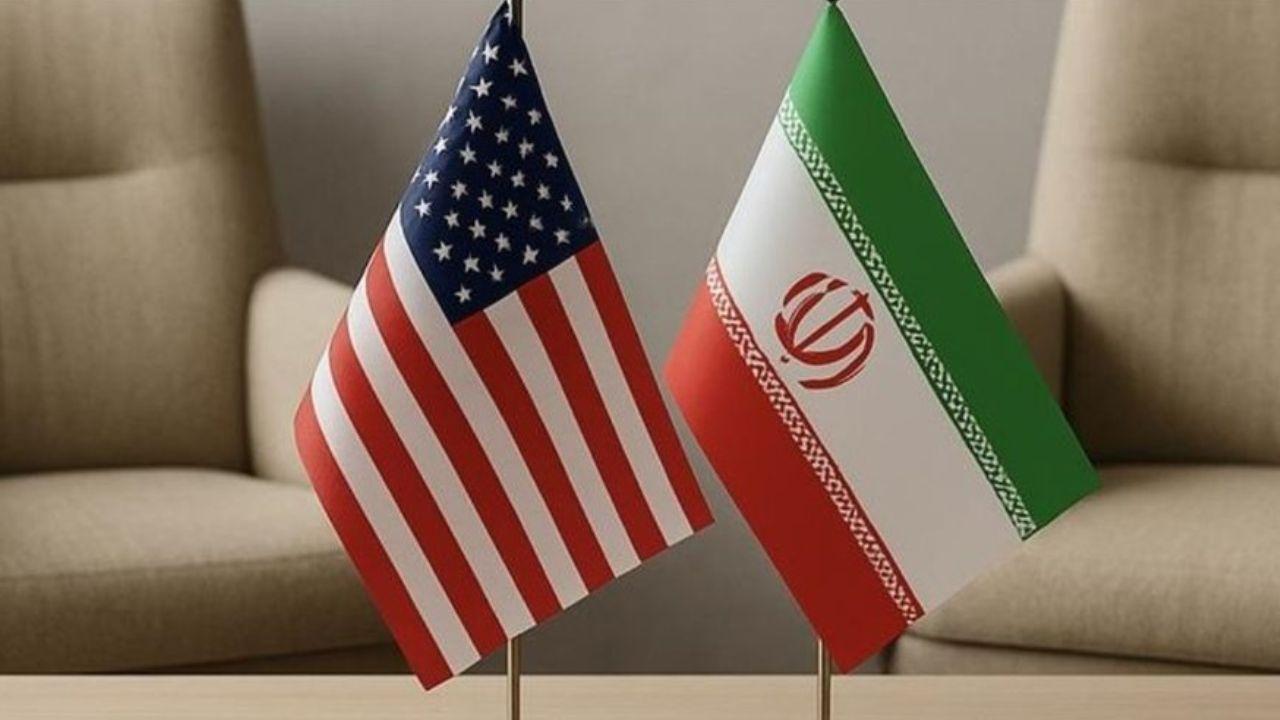
(Web Desk): Iran's foreign minister, Abbas Araghchi, confirmed on Wednesday that the next round of nuclear talks with the United States will take place in Rome on Saturday. This will be the fourth round of high-level talks between the two nations, mediated by Oman.
The talks are part of ongoing efforts to revive the 2015 nuclear deal, which aims to curb Iran's nuclear programme in exchange for sanctions relief.
Araghchi announced after a cabinet meeting, stating that Iranian officials would also meet with representatives from Britain, France, and Germany – the other signatories to the 2015 deal – on Friday ahead of the talks with the United States.
The European powers have expressed concerns about the potential re-imposition of UN sanctions as the 2015 resolution expires in October.
The new round of discussions builds on progress made during previous talks in Oman on April 12. However, serious differences remain, particularly concerning the lifting of sanctions and Iran’s nuclear activities, which Western countries have alleged are aimed at developing nuclear weapons.
Tehran denies these allegations, maintaining that its nuclear programme is purely for peaceful purposes.
Iran’s outreach to Britain, France, and Germany underscores Tehran’s desire to engage with all parties to the deal before moving forward with discussions with Washington.
Iran's UN mission has strongly rejected what it calls "threats and economic blackmail" from the European trio, stressing that diplomacy should proceed without coercion.
This round of talks follows a series of high-level exchanges that began in Oman earlier this month. Diplomats have expressed cautious optimism about the potential for further progress, although both sides remain far apart on key issues.
The nuclear talks are part of a broader diplomatic effort to stabilise the Middle East and prevent further escalation. While Tehran insists that negotiations should be focused solely on the nuclear issue, the broader geopolitical landscape and US-Iran tensions remain a significant challenge.
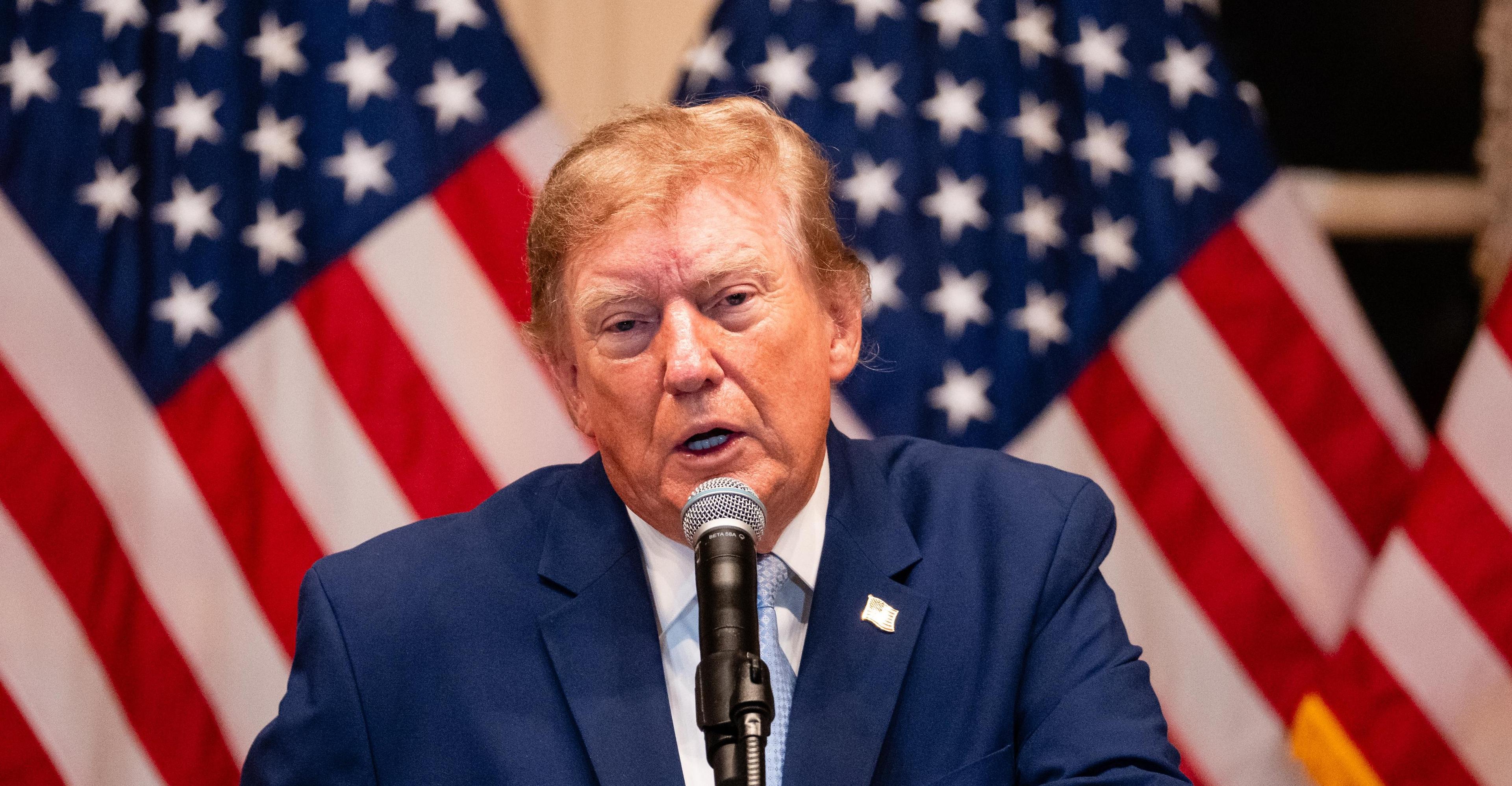
In related developments, US President Donald Trump had previously sent a letter to Iran’s Supreme Leader, Ayatollah Ali Khamenei, urging talks and warning of military action should Iran refuse negotiations.

Apple will label apps that are ‘Made for iPhone Duo’
- 3 hours ago

Delta can turn the iPhone Duo into your favorite folding handheld
- 3 hours ago

PHP: The three little letters wreaking havoc across the web
- 3 hours ago

Sure, let’s smoosh SpaceX and Tesla together, who cares
- 3 hours ago

Samsung’s latest 55-inch Frame TV is down to its lowest price yet
- 3 hours ago
Microsoft shuts down its beloved maker space
- 3 hours ago

Should you let a chatbot manage your money?
- 10 hours ago
Trump is trying to overturn an election that hasn’t happened yet
- 10 hours ago

OpenAI now trains its frontier AI models with no internet access
- 3 hours ago
Trump says Sundar Pichai talked him out of renaming the Atlantic Ocean
- 3 hours ago
Agha back but no Rizwan for Pakistan following England debacle
- 19 hours ago

Jack Dorsey’s Block made an AI model that talks to you like an awkward new friend
- 3 hours ago