
Islamabad: The Current Account (CA) registered a record 10 years’ low deficit of $1.85 billion during the fiscal year 2020-21, accounting for around 0.6% of the Gross Domestic Product (GDP).

The deficit outturn is also in line with the State Bank of Pakistan (SBP) expectations which had earlier announced that the current account in deficit for FY21 was expected to be less than 1 per cent of GDP.
The current account deficit was 6.1 percent of GDP in FY18 and 4.1 percent of GDP in FY17, according to data released by the State Bank of Pakistan (SBP) on Monday.
On a month-on-month basis, the current account deficit rose to $1.6 billion in June, from $0.7 billion in May- the highest monthly deficit since Dec 2018.
According to the data, both exports of goods and services and remittances were higher compared to May, by $458 million and $197 million, respectively. Exports of goods also remained close to 10-year highs in June.
However, imports of goods and services rose by $1.6 billion compared to May. Some of this was seasonal, as there is usually a rise in imports in June, associated with the bunching of year-end payments. In addition, the import bill was higher in June compared to May due to higher oil imports (by $289 million), imports of Covid vaccines (by $109 million), and higher imports of capital goods such as machinery ($356 million) reflecting the improvement in the investment outlook in the country.
Not only is the level of the current account deficit lower, but its nature is also different from the past as in FY17-18, the deficits were driven by an unsustainable consumption boom. Whereas in FY21, imports of capital, such as machinery made more of a contribution to the import bill, which bodes well for future growth.
A current account deficit is normal for a country like Pakistan where saving is low and which is undergoing a growth recovery. Two things are important that it is not too large, and that the country is able to finance it without losing foreign exchange reserves.
Pakistan’s market-based exchange rate system introduced since June 2019 will help ensure the current account does not become unsustainable like in the past.
This mechanism did not exist in the past. Instead, the exchange rate was kept at an artificial level, such that the current account deficit kept growing and precious foreign exchange reserves were depleted to pay for imports and the country was forced to go to the International Monetary Fund (IMF).
At over $17 billion, Pakistan’s foreign exchange reserves have risen to a 4.5 year high in June. They upped by $5.2 billion during FY21.
Conversely, during FY17 and FY18, the reserves dropped by $2 billion and $6.4 billion, respectively.

Meta planning sweeping layoffs as AI costs mount: report
- a day ago
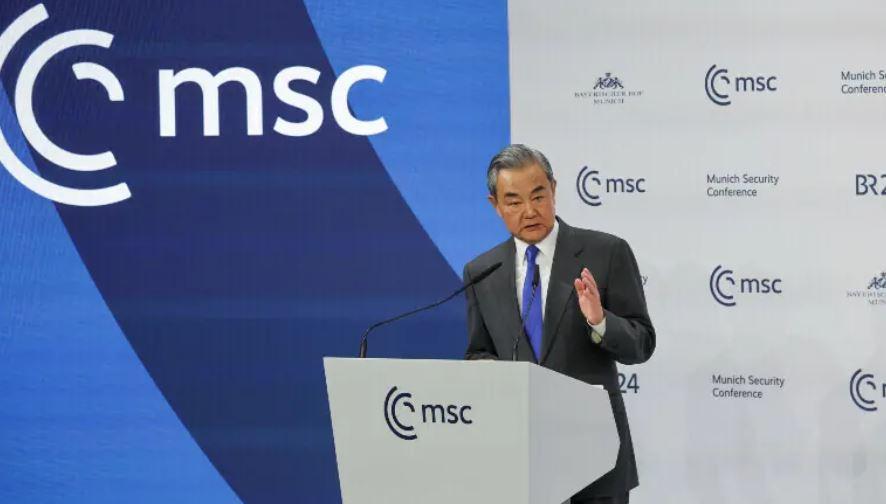
China urges Pakistan, Afghanistan to resolve tensions via talks, not force
- a day ago
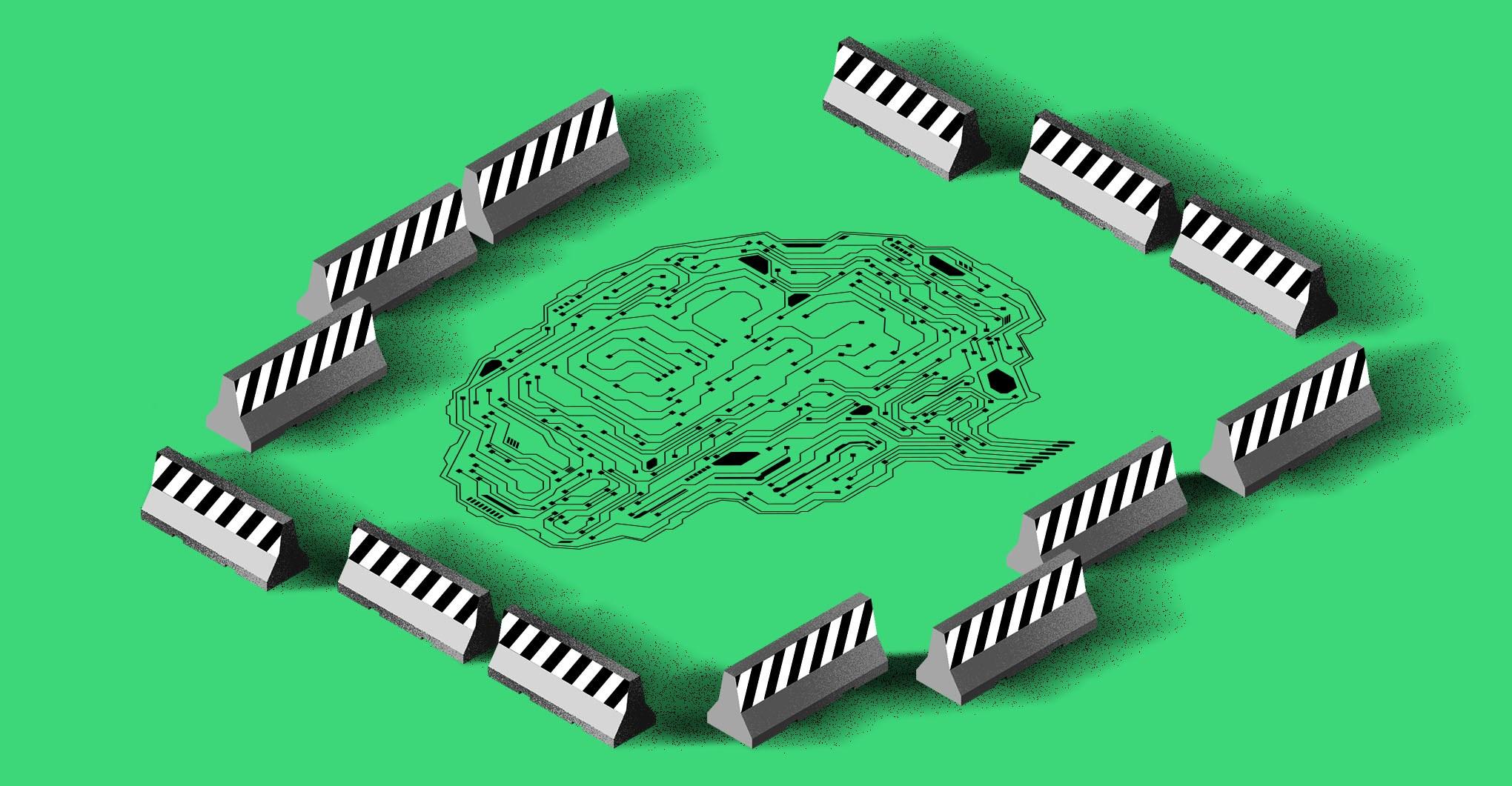
Anthropic is launching a new think tank amid Pentagon blacklist fight
- 4 hours ago
Trump: Iran should skip WC 'for their safety'
- 12 hours ago

How smart design can benefit senior living
- 11 hours ago

Pakistan committed to promote religious tolerance among nations: President, PM
- 4 hours ago

Pakistan rejects Afghan claims regarding capturing border posts
- 21 hours ago

Armed forces launch successful airstrikes in Afghanistan
- 4 hours ago
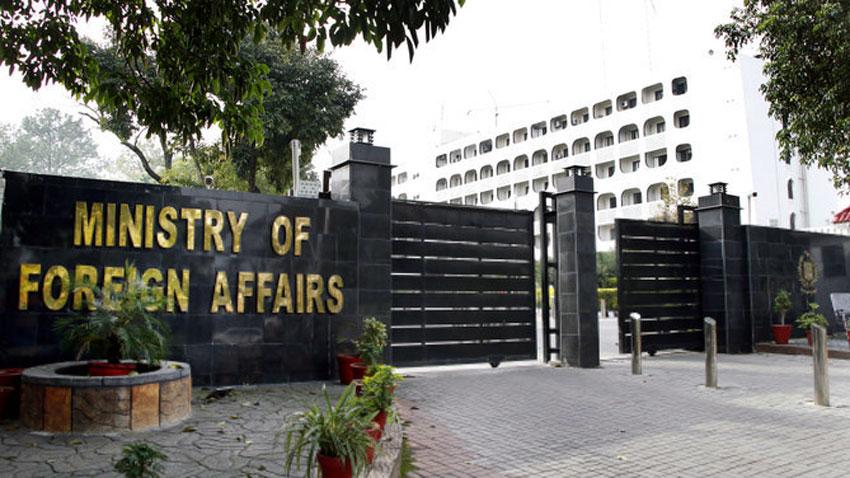
Pakistan rejects India’s remarks over actions against terrorist hideouts inside Afghanistan
- 4 hours ago
Rory: Back better, but Players status remains iffy
- 12 hours ago

iPhone Fold rumor: iPad-like multitasking, but no iPad apps and no Face ID
- 4 hours ago
Premier League, LaLiga ... and Scotland? Most exciting races in Europe, 2025-26
- 12 hours ago