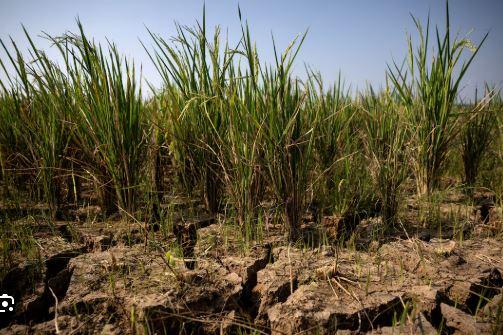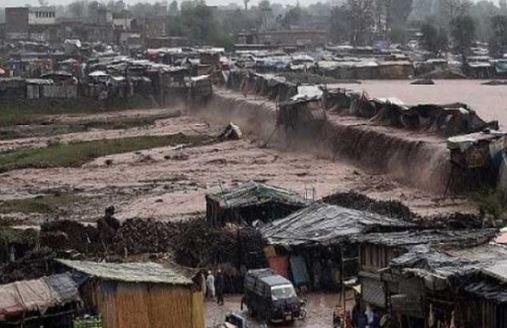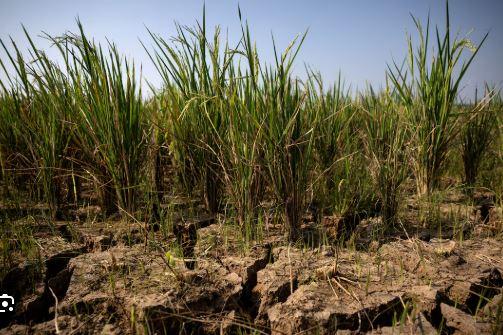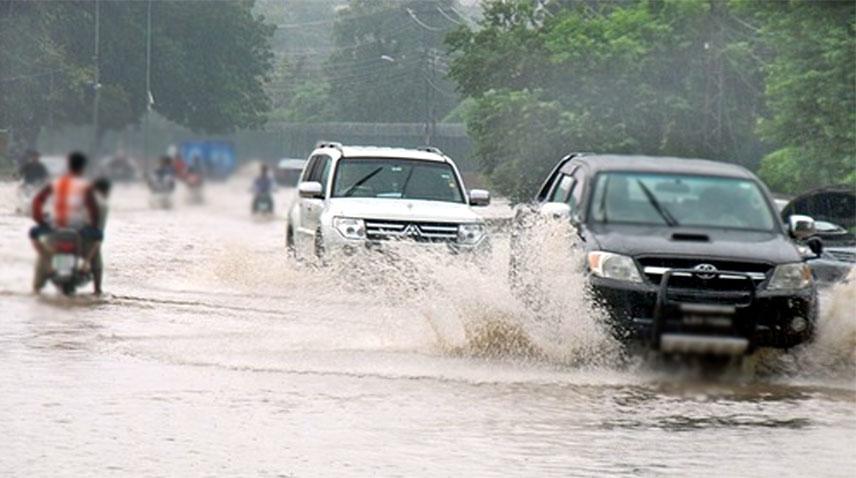
Study covers 12 cities, including Barcelona, Madrid, London and Milan, where researchers say climate change had increased heatwave temperatures by up to 4 degrees Celsius


(Reuters): Around 2,300 people died of heat-related causes across 12 European cities during the severe heatwave that ended last week, according to a rapid scientific analysis published on Wednesday.
The study targeted the 10 days, ending July 2, during which large parts of Western Europe were hit by extreme heat, with temperatures breaching 40 degrees Celsius (104°F) in Spain and wildfires breaking out in France.
Of the 2,300 people estimated to have died during this period, 1,500 deaths were linked to climate change, which made the heatwave more severe, according to the study conducted by scientists at Imperial College London and the London School of Hygiene and Tropical Medicine.
“Climate change has made it significantly hotter than it would have been, which in turn makes it a lot more dangerous,” said Dr Ben Clarke, a researcher at Imperial College London.
The study covered 12 cities, including Barcelona, Madrid, London and Milan, where the researchers said climate change had increased heatwave temperatures by up to 4 degrees Celsius.
The researchers used established epidemiological models and historical mortality data to estimate the death toll, which reflects deaths where heat was the underlying reason for mortality, including if exposure exacerbated pre-existing health conditions.
The scientists said they used peer-reviewed methods to quickly produce the estimated death toll because most heat-related deaths are not officially reported, and some governments do not release this data.
Last month was the planet’s third-hottest June on record, behind the same month in 2024 and 2023, the EU’s Copernicus Climate Change Service said in a monthly bulletin on Wednesday.
Western Europe experienced its warmest June on record, with much of the region experiencing “very strong heat stress” — defined by conditions that feel like a temperature of 38 degrees Celsius or more, Copernicus said.
Some estimate 50 metric tonnes of trash remain on the Mt Everest due to decades of climbing and lax regulations.
“In a warming world, heatwaves are likely to become more frequent, more intense and impact more people across Europe,” said Samantha Burgess, Copernicus’ strategic lead for climate.
Researchers from European health institutes reported in 2023 that as many as 61,000 people may have died in Europe’s sweltering heatwaves in 2022, according to new research, suggesting countries’ heat preparedness efforts are falling fatally short.
The build-up of greenhouse gas emissions in the atmosphere — which mostly come from the burning of fossil fuels — means the planet’s average temperature has increased over time.
This increase in baseline temperatures means that when a heatwave comes, temperatures can surge to higher peaks.

Is this the cure for Alzheimer’s?
- 2 days ago

President Zardari and PM Shehbaz 'agree' on imposition of emergency in KP: sources
- 2 days ago
UPDATE: DITKA DEAD AT 86...
- a day ago

Xbox is launching a new film and TV division
- 2 days ago

Anthropic bans ‘abusive or cruel behavior’ towards Claude
- 2 days ago

What if making your neighborhood safer means breaking the rules?
- 2 days ago

Disney Plus will stream Super Bowl LXI
- a day ago

Pakistan calls for immediate de-escalation of Ukraine conflict
- 2 days ago

Who are the violent Israeli settlers in the West Bank?
- a day ago

PM Shehbaz calls for comprehensive strategy to combat diabetes
- 2 days ago

Saudi-led coalition says destroyed more than 100 Houthi targets
- 2 days ago

No one wants to be “Data Center Dave”
- 2 days ago