Technology
- Home
- Technology
- News
DOJ paves the way for a legal war on fact-checking
Newspapers and social media platforms that agree to deprioritize misinformation could be violating US antitrust law if they exclude rivals or lead to anticompetitive effects, the Justice Department says in a new legal filing. President Donald Trump’s DOJ Ant…

Published ایک سال قبل on جولائی 17 2025، 5:00 صبح
By Web Desk
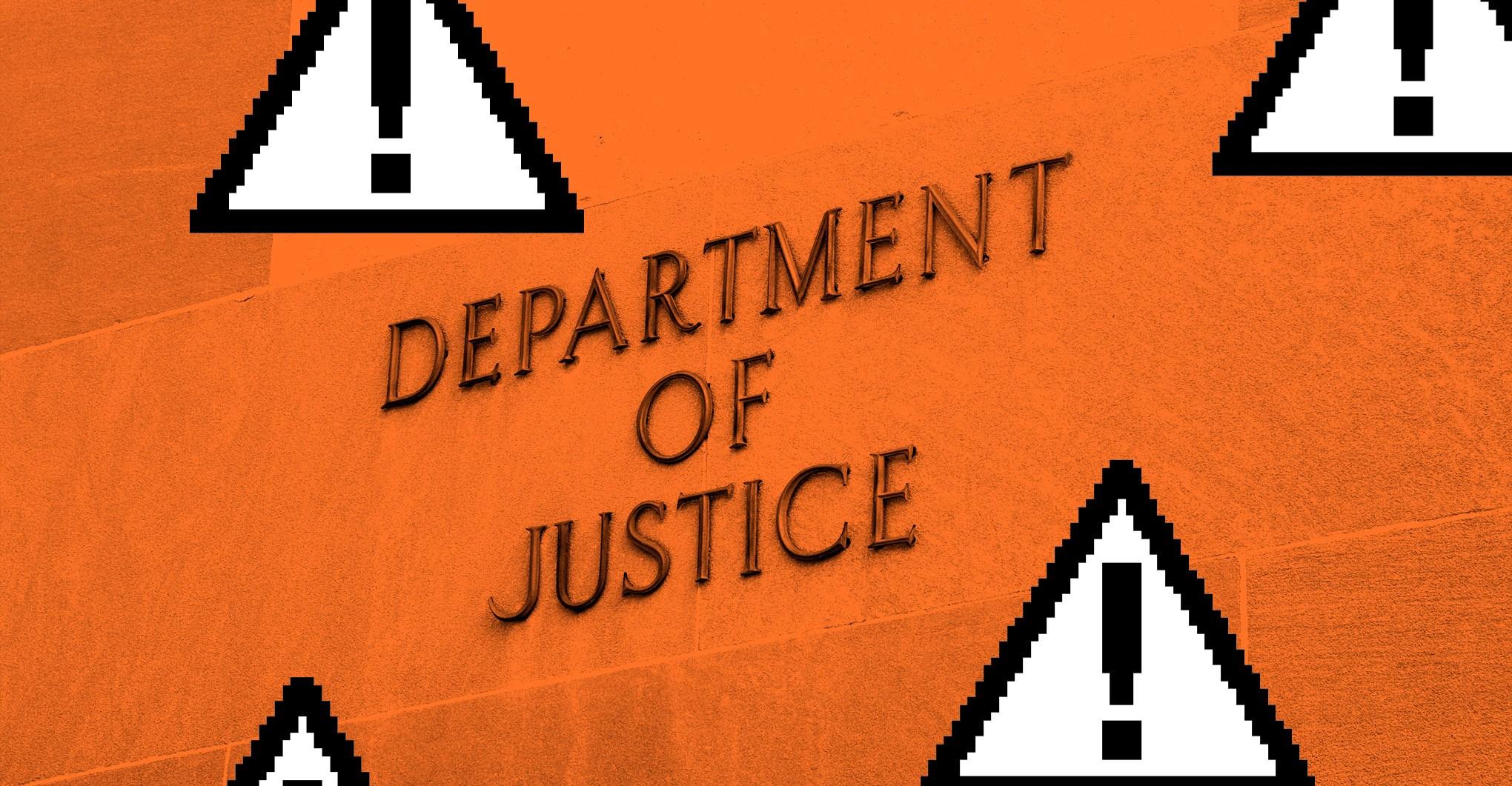
Newspapers and social media platforms that agree to deprioritize misinformation could be violating US antitrust law if they exclude rivals or lead to anticompetitive effects, the Justice Department says in a new legal filing.
President Donald Trump’s DOJ Antitrust Division filed a statement of interest Friday in an existing lawsuit, Children’s Health Defense et al. v. Washington Post et al., to weigh in with its interpretation of how antitrust law can apply to what it describes as “viewpoint competition.” The government doesn’t take a stance on the merits of the facts in this particular case, but says it’s important for the court to recognize that the “the Sherman Act protects all forms of competition, including competition in information quality.”
Children’s Health Defense is an anti-vaccine advocacy firm founded by Robert F. Kennedy Jr., now Secretary of Health and Human Services. CHD filed suit in 2023 against The Washington Post, British Broadcast Corporation (BBC), Associated Press (AP), and Reuters. The issue was a collaboration between news outlets and tech platforms called the Trusted News Initiative (TNI), which works to flag “high risk disinformation” and share best practices about how to address it. CHD and several online publishers allege they “lost millions of dollars in revenue” by being demonetized, downranked, or otherwise restricted on “platforms like Facebook, YouTube, Twitter, Instagram, and LinkedIn.”
While web platforms have a First Amendment right to not publish speech they wish to avoid, CHD claims the TNI amounts to a coordinated effort to violate antitrust laws in “the US online market for COVID news and the U.S. online market for political news” by disadvantaging the organization and its co-plaintiffs. The antitrust lawsuit is filed solely against the initiative’s news publishers, which CHD complains flagged covid-related posts (including widely discounted claims that ivermectin is an effective covid treatment and that covid vaccines are “toxic or harmful”), as well as posts about the Hunter Biden laptop story, as misinformation and caused platforms to moderate them.
The publishers named in the lawsuit argue they’ve been “wrongly targeted” for decisions actually made by tech platforms, and that its accusation of “suppressing competition in the marketplace of ideas” falls “outside of the purview of antitrust laws.”
The DOJ’s interest in the case suggests it believes courts should be open to concluding otherwise. It argues that “exempting viewpoint collusion” from antitrust law “would free major news organizations and dominant digital platforms to block competitive threats that offer alternative, competing viewpoints,” thus reducing “the quality of news and of competition in online news markets.”
The assertion draws on a populist, bipartisan antitrust movement that’s gained steam in recent years, arguing that the conventional, price-focused standard of harmful monopolies is too limited, and that courts should take measures like a service’s quality into account as well. But it also amounts to asking courts to wade into constitutionally protected editorial decisions by the press and online platforms. It does so as part of a larger Trump administration war on fact-checking, which has drawn the ire of figures like FCC chair Brendan Carr, who helped pressure Meta into ending its fact-checking program when Trump took office.
The government acknowledges that some “cooperative standard-setting by trade associations have been found lawful”, but it says that shouldn’t apply if “they involve efforts by some competitors to exclude rivals from the process.” That means, according to the government, that TNI participants should be scrutinized even if they worked together only to define standards for identifying misinformation and flagging misinformation to each other.
“This Antitrust Division will always defend the principle that the antitrust laws protect free markets, including the marketplace of ideas,” DOJ antitrust chief Abigail Slater said in a statement.
Boys Noize turns to the club (and an obscure Italian synth) for inspiration on 7LLVSION
- 6 hours ago
How Uruguay built a national care system from the ground up
- a day ago

Pakistan-Indonesia joint exercise 'Elang Strike-III' concludes at Pabbi
- a day ago
Teachers are reeling from an existential crisis. You’re probably feeling it too.
- a day ago
EU proposes tax on Big Tech to boost budget
- a day ago
Canva adds an AI ‘off’ button
- a day ago
FBI, US Agriculture Department breached by hackers: reports
- a day ago
Listen to this: Armand Hammer’s Snakes & Ladders
- 15 hours ago
Zelensky reaffirms Ukraine's wish to join NATO
- a day ago
COLTS release QB Daniel Jones...
- 14 hours ago

PCB announces central contracts for 38 men's cricketers with key players absent
- a day ago
Satya Nadella says he’s AGI-pilled now
- 15 hours ago
You May Like
Trending