European Council President Antonio Costa unveiled a new spending proposal that slashes by €204 billion ($224bn) a plan initially put forward by the European Commission, which some countries had slammed as too onerous

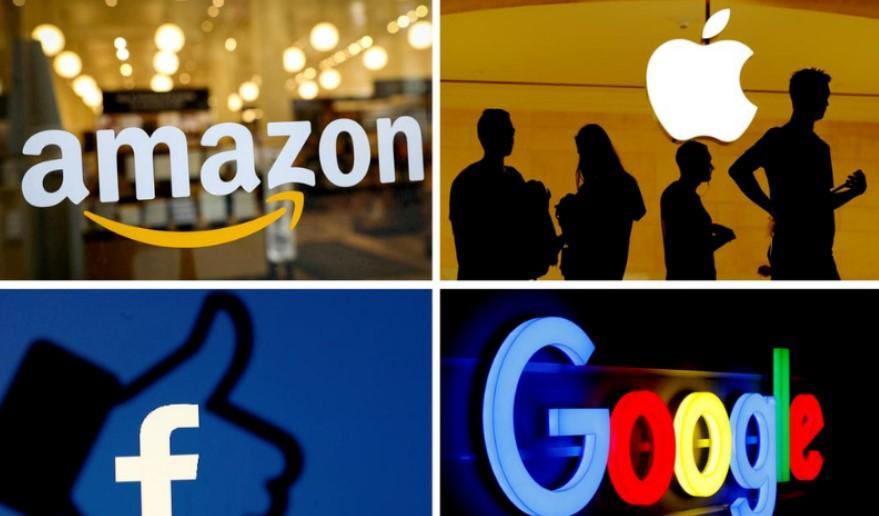
AFP -- The European Union (EU) put forward plans on Saturday to tax the world’s biggest digital companies to fund its next budget, as it seeks to bridge divisions among member states over the bloc’s long-term funding.
European Council President Antonio Costa unveiled a new spending proposal that slashes by €204 billion ($224bn) a plan initially put forward by the European Commission, which some countries had slammed as too onerous.
“I believe this proposal can bring us closer to a final agreement,” Costa told a press conference in Brussels.
But the draft immediately drew criticism both from so-called “frugal” EU members led by Germany and those like France opposing large cuts.
German Chancellor Friedrich Merz said the budget’s “overall size remains too high”, noting that “virtually all” member states had to consolidate public finances at home.
French President Emmanuel Macron’s office instead slammed the proposal as “disappointing”, notably for what concerned income support for farmers.
EU nations have been squabbling over the size of the next budget, with Germany leading calls for major cuts after the commission last year proposed a €2-trillion budget for the 2028-2034 period.
Digital tax
Costa, who represents the EU’s 27 states, is seeking to reach a deal by the end of the year balancing contributions from member states with new sources of revenue for the bloc.
Among these could be a tax on digital firms, which the draft Costa presented on Saturday says will concern companies with an annual turnover for digital activities of at least €50 million in the EU as well as a global turnover of more than €750m.
They would be subjected to “an annual contribution corresponding to 3 per cent of the annual net turnover from online advertising, digital intermediation services and user-generated data”, according to documents shared by the council.
“This tax is in no way directed against any particular company or country,” Costa said of the levy, which replaces a charge on large companies envisaged by the commission.
The draft also includes plans for a levy on electronic waste and higher tobacco taxes. Costa said the EU will explore a tax on crypto assets and to gain revenue from radio spectrum auctions.
Overall, the council estimates the EU’s “own resources” could generate about 60 billion euros in revenue each year.
Parliament threat
The draft will be at the centre of fraught talks when EU leaders meet in Brussels next week.
Costa is pushing for a deal in December, amid EU fears that a delay would push talks into a fraught election year in 2027, with worries about what potential eurosceptic victories in France and elsewhere would mean for future dealmaking.
Once EU states find an agreement, they will have to negotiate with parliament — a task that also promises to be difficult.
Costa does not only have to contend with the frugals’ demands.
France, the second-biggest EU economy and a net contributor to the budget, argues the bloc needs sufficient means to match the rising challenges it faces.
Meanwhile, 17 countries from southern, central and eastern Europe have formed a group known as the “Friends of Cohesion” and are pushing for greater funding to support agriculture and regional development.
“We are still a long way from a compromise,” Jessica Rosencrantz, Europe Minister of Sweden, which is with Germany among five nations pushing to cut back national contributions, wrote on X.

PCB announces central contracts for 38 men's cricketers with key players absent
- 5 hours ago

Scoop up three great 4K Blu-ray movies for $33
- 17 hours ago

FBI, US Agriculture Department breached by hackers: reports
- 3 hours ago

How Uruguay built a national care system from the ground up
- 6 hours ago
Zelensky reaffirms Ukraine's wish to join NATO
- 7 minutes ago

Teachers are reeling from an existential crisis. You’re probably feeling it too.
- 6 hours ago

ChatGPT can transcribe as you speak now with Live Dictation
- 8 hours ago
What makes Americans feel financially ready to have kids? It’s complicated.
- 15 hours ago
Oh, Elon Musk is ‘moderate’ now, is he?
- 8 hours ago

Canva adds an AI ‘off’ button
- 8 hours ago
FCC greenlights rule allowing prisons to jam cellphone signals
- 8 hours ago

Pakistan-Indonesia joint exercise 'Elang Strike-III' concludes at Pabbi
- 6 hours ago