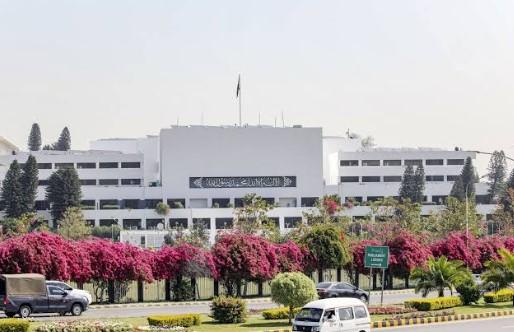
Dr Pasha warns of hard time ahead, as country reports highest import of $6.3b in June
Lahore: Pakistan former finance minister Dr Hafeez Pasha has warned of a difficult time ahead, as the country has witnessed a single month’s record highest import figure of $6.3 billion in June this year while the current account deficit remained $1.3 billion in this period.

Addressing an economic session on ‘Pakistan Economy-Challenges & Solution’ organized by the Pakistan Industrial and Traders Association Front (PIAF), Dr Pasha predicted that the total annual import figure would touch the level of as high as $70 billion which is impossible to manage with the export of just $25 billion.
The former finance minister pointed out that the next year current account deficit will surpass the figure of $6.7 billion, as the country would have to enhance payment in its debt servicing by at least 35 per cent, which is alarming. He appreciated the record remittances of $29.4 billion sent by the overseas Pakistanis, but alarmed that the remittances will decline next year as Pakistan spends around $3-4 billion annually on foreign travels which have been saved this year, lifting the figure of remittances.
Dr. Hafeez Pasha, during a question-answer session, told the trade and industry’s representatives that another National Action Plan should be initiated that was launched against terrorism. The Pakistan Army remained successful to eradicate terrorism from the country but it is reemerging in the country now, as incidences of violence are rising in Balochistan while in Lahore, the recent bomb blast is also horrifying.
“We are a resilient nation as we have approached the IMF 22 times in 74 years history of Pakistan but our economy never collapsed,” he said. He added that the Pakistani nation remained successful in all kinds of crises but this success story has not been sustainable in the long term. “When I was the finance minister the US ambassador warned me that he would stop the USAID fund for Pakistan because I was promoting Pakistan products and trade,” he recalled.
He stressed the need for at least a 7 per cent GDP growth rate to absorb a large number of unemployed youth, eradicate poverty and manage the rising public debt. For this purpose, the country needs an equitable taxation system and high growth in exports, he added.
Dr Hafeez Pasha also raised objections over the calculation of GDP growth figures and said that the last fiscal year growth was reported as minus 0.47 per cent but actually, it had dropped to negative 2 per cent because of massive contraction in the economy. He said that the Pakistan Bureau of Statistics needs to be strengthened so that they could calculate official figures accurately.
He said that our industry contributes more than 70 per cent in tax revenue, as the industrial sector gives almost Rs3.5 trillion taxes in various forms. On the contrary, the Rs.25 trillion’s real estate sector pays just 12 billion unjust tax. In the same way, 22 per cent of agricultural land which is owned by just 1 per cent of the landlord elite, shares only Rs2.5 billion in tax revenue.
On this occasion, Dr, Hafeez Pasha also announced to launch of his new book “The Charter of Economy”.

The director of Obsession put a new horror short on YouTube
- 2 days ago
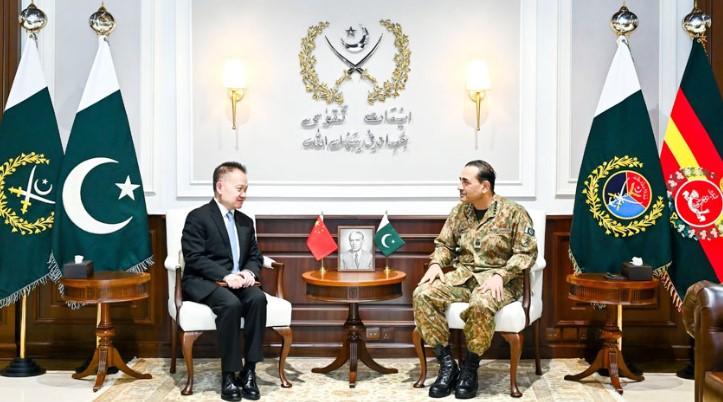
COAS Asim Munir calls for stronger Pakistan-China ties
- a day ago
Pakistan assumes SCO-IBC Chairmanship for 2026–2027
- a day ago
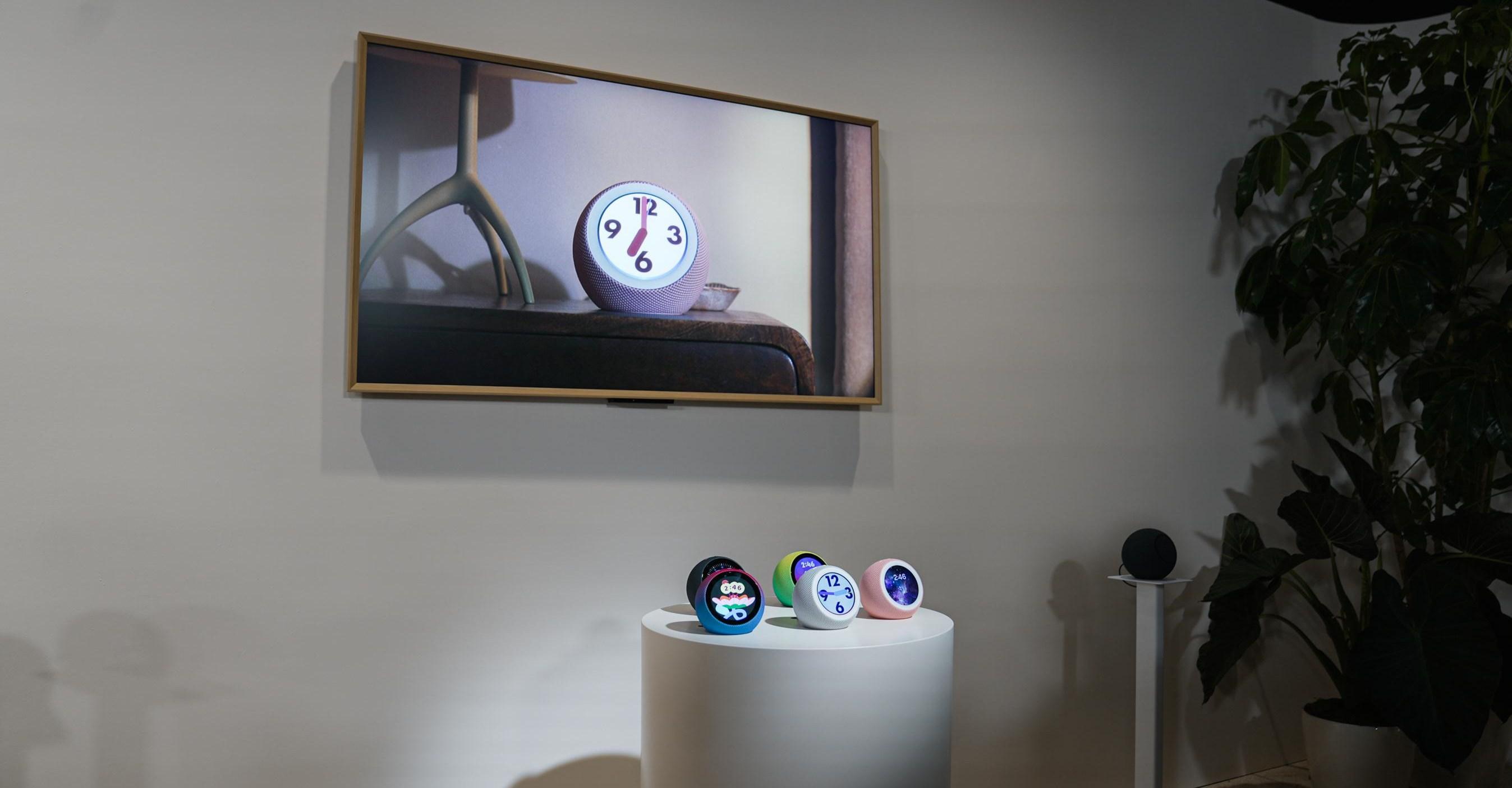
Spending time with the Echo Time — a smart clock that senses you sleeping
- 15 hours ago
Are you over-optimizing your hobbies?
- 2 days ago

Democrats have big healthcare plans. The industry is preparing for a fight.
- 13 hours ago

Nine people killed in Learjet crash in south Florida, officials say
- a day ago

Our first look at Amazon’s big new Echo Show 16
- 2 days ago
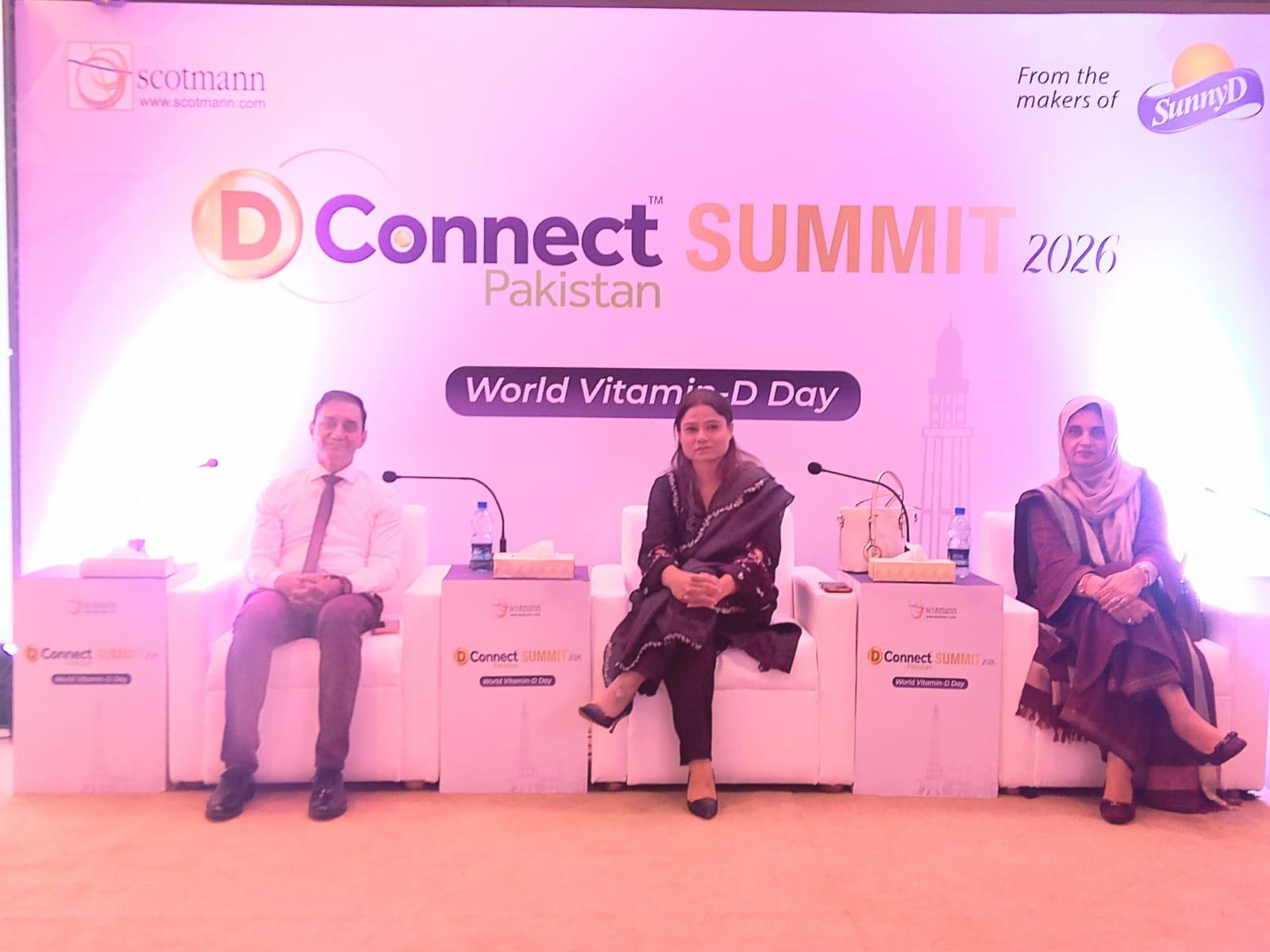
Experts highlight Pakistan’s growing vitamin D crisis at Lahore summit
- a day ago

Pakistan beat Oman by 18 runs to win Hong Kong Sixes Plate title
- a day ago

Is this our last time setting our clocks back?
- 3 days ago
Patrick Stewart taught us what good men do with power
- 2 days ago