
A new partnership between the NCAA and Venmo to combat abuse and harassment of college athletes, announced Tuesday, includes a reporting hotline.

Published a year ago on Aug 31st 2025, 6:01 am
By Web Desk
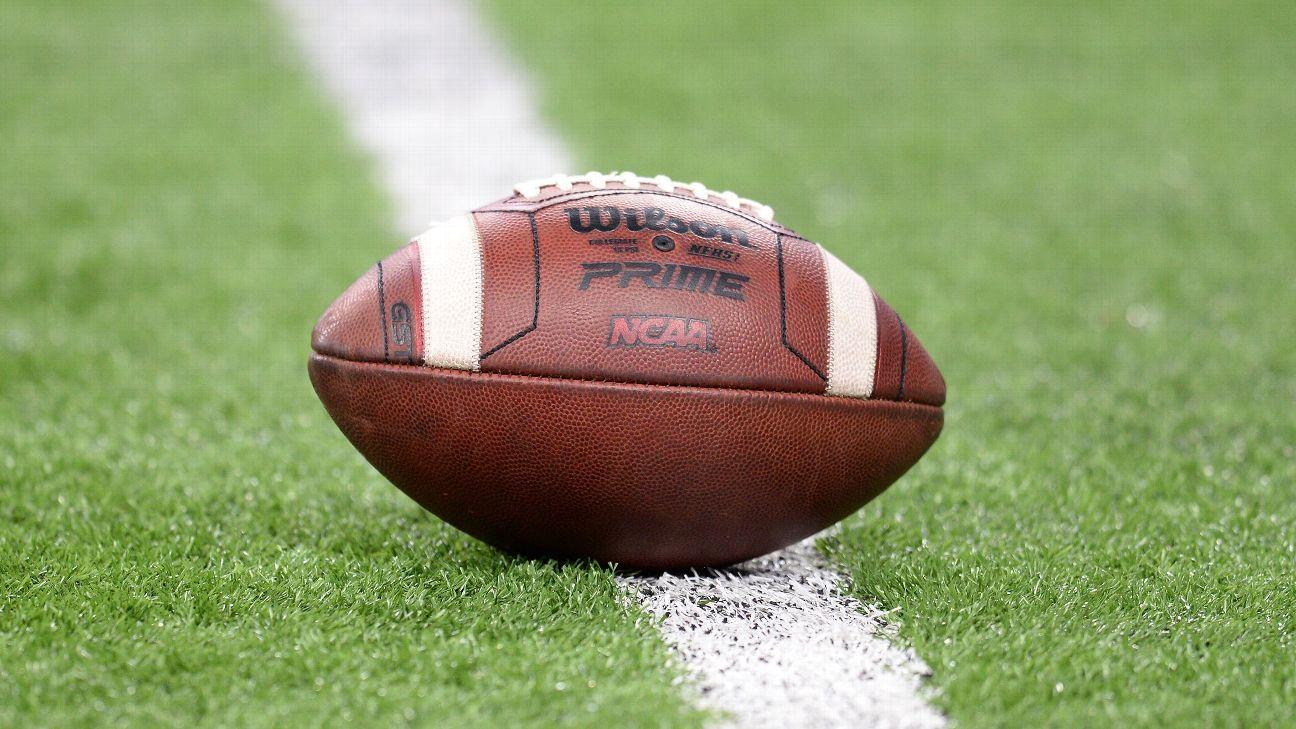
The NCAA and online payment service Venmo announced a partnership Tuesday aiming to combat abuse and harassment of college athletes, some of whom have reported receiving unwanted requests for money from losing bettors and solicitation for inside information.
The NCAA-Venmo partnership features a dedicated hotline for athletes to report abuse and harassment, education on account security, and increased monitoring. Venmo's security team will monitor social media trends and events during games, such as last-second missed field goals, that have triggered surges in unwanted interactions.
The reporting hotline launched Tuesday.
The NCAA says its research shows that close to 20% of online abuse and harassment directed at college basketball and football players on social media is connected to sports betting. On Venmo, most of the harassment comes in the form of requests for payment from gamblers who lost a bet related to the athlete, according to an NCAA official.
"We have heard of solicitation of insider information as well," Clint Hangebrauck, NCAA managing director of enterprise risk management, told ESPN. "'Hey, can you let me know if you're going to play or not, and I'll provide you some money,' which is obviously really problematic for us from an integrity standpoint."
David Szuchman, senior vice president of Venmo's parent company, PayPal, told ESPN that the unwanted requests for money sent to athletes are infrequent on the platform but still "unacceptable." He believes college athletes belong in a unique subset of Venmo customers who deserve a higher level of monitoring and protection.
"Harassment or abuse of any kind is not tolerated on the platform, and strict action is taken against users who violate our policies," said Szuchman, who oversees financial crime and customer protection for the company.
Szuchman says if illicit activity is detected, the company is mandated by federal regulations to report it to law enforcement.
"We're monitoring to make sure that we understand what's coming into these student-athletes' accounts that is unwanted," Szuchman said. "Who is it coming from, and then, based on our terms and conditions, how do we treat them?"
College and professional athletes have spoken publicly about the payment requests they receive from gamblers on Venmo, which does not have any such partnerships with other sports leagues.
Venmo allows customers to send and receive money online, and, if users choose, includes a public display of the transaction and messages. Customers may choose to make their account private, with the transactions hidden from the public, but many enjoy the public interactions with friends, Hangebrauck said.
"They have friends that are students, and they want to be able to share pizza money, pay for going out to a movie that night or the trip they're taking this weekend," Hangebrauck said. "I think, in many respects, they just want to be normal college kids.
"This is a really unique and interesting population," he said of student-athletes. "How do we let them operate in a way where they can feel like any other college kid but also have those enhanced measures around them to make sure they have a safe experience on their platforms?"
Hangebrauck said that the partnership with Venmo is novel for the NCAA but that he hopes other social media companies will take the issue of athlete harassment seriously.
"I hope in a lot of ways, this serves as a blueprint for us to reach out to other social media platforms," Hangebrauck said.
The NCAA-Venmo partnership features a dedicated hotline for athletes to report abuse and harassment, education on account security, and increased monitoring. Venmo's security team will monitor social media trends and events during games, such as last-second missed field goals, that have triggered surges in unwanted interactions.
The reporting hotline launched Tuesday.
The NCAA says its research shows that close to 20% of online abuse and harassment directed at college basketball and football players on social media is connected to sports betting. On Venmo, most of the harassment comes in the form of requests for payment from gamblers who lost a bet related to the athlete, according to an NCAA official.
"We have heard of solicitation of insider information as well," Clint Hangebrauck, NCAA managing director of enterprise risk management, told ESPN. "'Hey, can you let me know if you're going to play or not, and I'll provide you some money,' which is obviously really problematic for us from an integrity standpoint."
David Szuchman, senior vice president of Venmo's parent company, PayPal, told ESPN that the unwanted requests for money sent to athletes are infrequent on the platform but still "unacceptable." He believes college athletes belong in a unique subset of Venmo customers who deserve a higher level of monitoring and protection.
"Harassment or abuse of any kind is not tolerated on the platform, and strict action is taken against users who violate our policies," said Szuchman, who oversees financial crime and customer protection for the company.
Szuchman says if illicit activity is detected, the company is mandated by federal regulations to report it to law enforcement.
"We're monitoring to make sure that we understand what's coming into these student-athletes' accounts that is unwanted," Szuchman said. "Who is it coming from, and then, based on our terms and conditions, how do we treat them?"
College and professional athletes have spoken publicly about the payment requests they receive from gamblers on Venmo, which does not have any such partnerships with other sports leagues.
Venmo allows customers to send and receive money online, and, if users choose, includes a public display of the transaction and messages. Customers may choose to make their account private, with the transactions hidden from the public, but many enjoy the public interactions with friends, Hangebrauck said.
"They have friends that are students, and they want to be able to share pizza money, pay for going out to a movie that night or the trip they're taking this weekend," Hangebrauck said. "I think, in many respects, they just want to be normal college kids.
"This is a really unique and interesting population," he said of student-athletes. "How do we let them operate in a way where they can feel like any other college kid but also have those enhanced measures around them to make sure they have a safe experience on their platforms?"
Hangebrauck said that the partnership with Venmo is novel for the NCAA but that he hopes other social media companies will take the issue of athlete harassment seriously.
"I hope in a lot of ways, this serves as a blueprint for us to reach out to other social media platforms," Hangebrauck said.
Should you let a chatbot manage your money?
- 7 hours ago

Agha back but no Rizwan for Pakistan following England debacle
- 17 hours ago
Microsoft shuts down its beloved maker space
- 28 minutes ago

Samsung’s latest 55-inch Frame TV is down to its lowest price yet
- 28 minutes ago
Trump says Sundar Pichai talked him out of renaming the Atlantic Ocean
- 28 minutes ago
Apple will label apps that are ‘Made for iPhone Duo’
- 28 minutes ago

Sure, let’s smoosh SpaceX and Tesla together, who cares
- 28 minutes ago

Delta can turn the iPhone Duo into your favorite folding handheld
- 28 minutes ago

Trump is trying to overturn an election that hasn’t happened yet
- 7 hours ago

Jack Dorsey’s Block made an AI model that talks to you like an awkward new friend
- 29 minutes ago

OpenAI now trains its frontier AI models with no internet access
- 29 minutes ago

PHP: The three little letters wreaking havoc across the web
- 28 minutes ago
You May Like





Trending