WHO urges Taliban to lift restrictions on female aid workers after deadly quake
The UN estimates around 11,600 pregnant women were also impacted by the quakes in a country

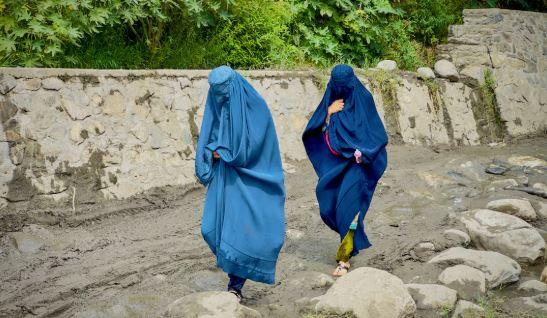
(Reuters): The World Health Organization has asked Taliban authorities to lift restrictions on Afghan female aid workers, allowing them to travel without male guardians and help women struggling to access care after a powerful earthquake killed 2,200 people in eastern Afghanistan.
"A very big issue now is the increasing paucity of female staff in these places," Dr Mukta Sharma, the deputy representative of WHO's Afghanistan office, told Reuters.
She estimated around 90% of medical staff in the area were male, and the remaining 10% were often midwives and nurses, rather than doctors, who could treat severe wounds. This was hampering care as women were uncomfortable or afraid to interact with male staff and travel alone to receive care.
The September 1 magnitude 6 quake and its aftershocks injured more than 3,600 people and left thousands homeless in a country already dealing with severe aid cuts and a slew of humanitarian crises since the Taliban took over in 2021 as foreign forces left.
The Afghan health ministry and a spokesperson for the Taliban administration did not immediately respond to a request for comment.
The Taliban says it respects women's rights in line with its interpretation of Islamic law and have previously said they would ensure women could receive aid.
Its administration in 2022 ordered Afghan female NGO staff to stop working outside the home. Humanitarian officials say there have been exemptions, particularly in the health and education sectors, but many said these were patchwork and not sufficient to allow a surge of female staff, particularly in an emergency situation that required travel.
That meant aid organisations and female staff faced uncertainty, Sharma said, and in some cases were not able to take the risk.
"The restrictions are huge, the mahram (male guardian requirements) issue continues and no formal exemption has been provided by the de facto authorities," she said, adding her team had raised the issue with authorities last week.
"That's why we felt we had to advocate with (authorities) to say, this is the time you really need to have more female health workers present, let us bring them in, and let us search from other places where they're available."
Sharma said she was extremely concerned about women in the future being able to access mental health care to deal with trauma as well as for those whose male family members had been killed, leaving them to navigate restrictions on women without a male guardian.
Peer Gul from Somai district in Kunar province, which was severely hit by the quakes, said many women from his village had experienced trauma and high blood pressure after the earthquake and were struggling to reach medical care.
"There is no female doctor for examinations; only one male doctor is available," he said.
Sharma noted the growing shortage of Afghan female doctors as the Taliban have barred female students from high school and university, meaning a pipeline of women doctors was not being replenished.
The U.N. estimates around 11,600 pregnant women were also impacted by the quakes in a country with some of the highest maternal mortality rates in Asia.
Funding cuts, including by the U.S. administration this year, had already left the health system reeling. Around 80 health facilities had already closed in the affected areas this year due to U.S. aid cuts and another 16 health posts had to be shuttered due to damage from the earthquake, Sharma said.

Anthropic launches free AI security scans for open-source projects
- 11 hours ago

Hands-on with Amazon’s Alexa Tablet 12 Pro and its wild new matte display
- 11 hours ago
The liver transplant system tried to fix its sex bias. Did it work?
- 9 hours ago

Apple to unveil new smart home products, showcasing updated Siri AI
- a day ago
Four killed as Rehman Baba Express train derails near Multan
- a day ago
Saudi-led coalition orders evacuation of Yemen oil facility in Sanaa ahead of operation
- 19 hours ago
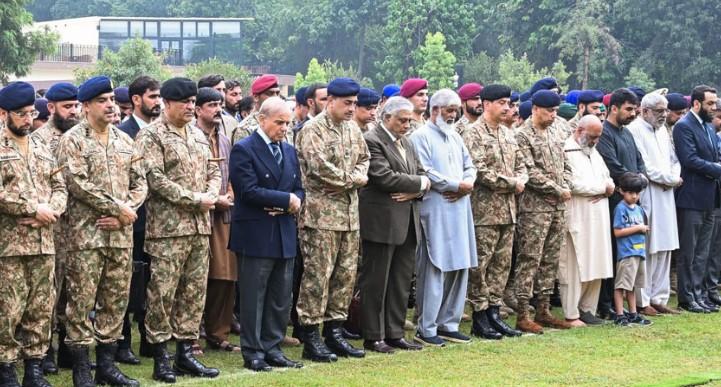
Funeral prayers of two martyred officers of Mushshak crash offered at Chaklala Garrison
- 21 hours ago

Tim Cook says ‘I’m not meddling’ in the new Apple CEO’s business
- 11 hours ago
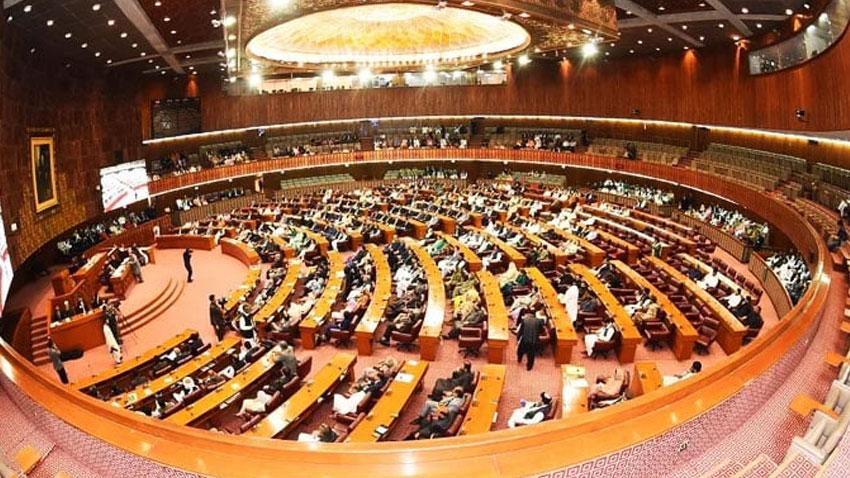
Resolution concerning imposition of emergency in KP and Presidential Order presented in NA
- an hour ago

I only bought Pokémon Legends: Z-A during Prime Day, and it’s still on sale
- 11 hours ago
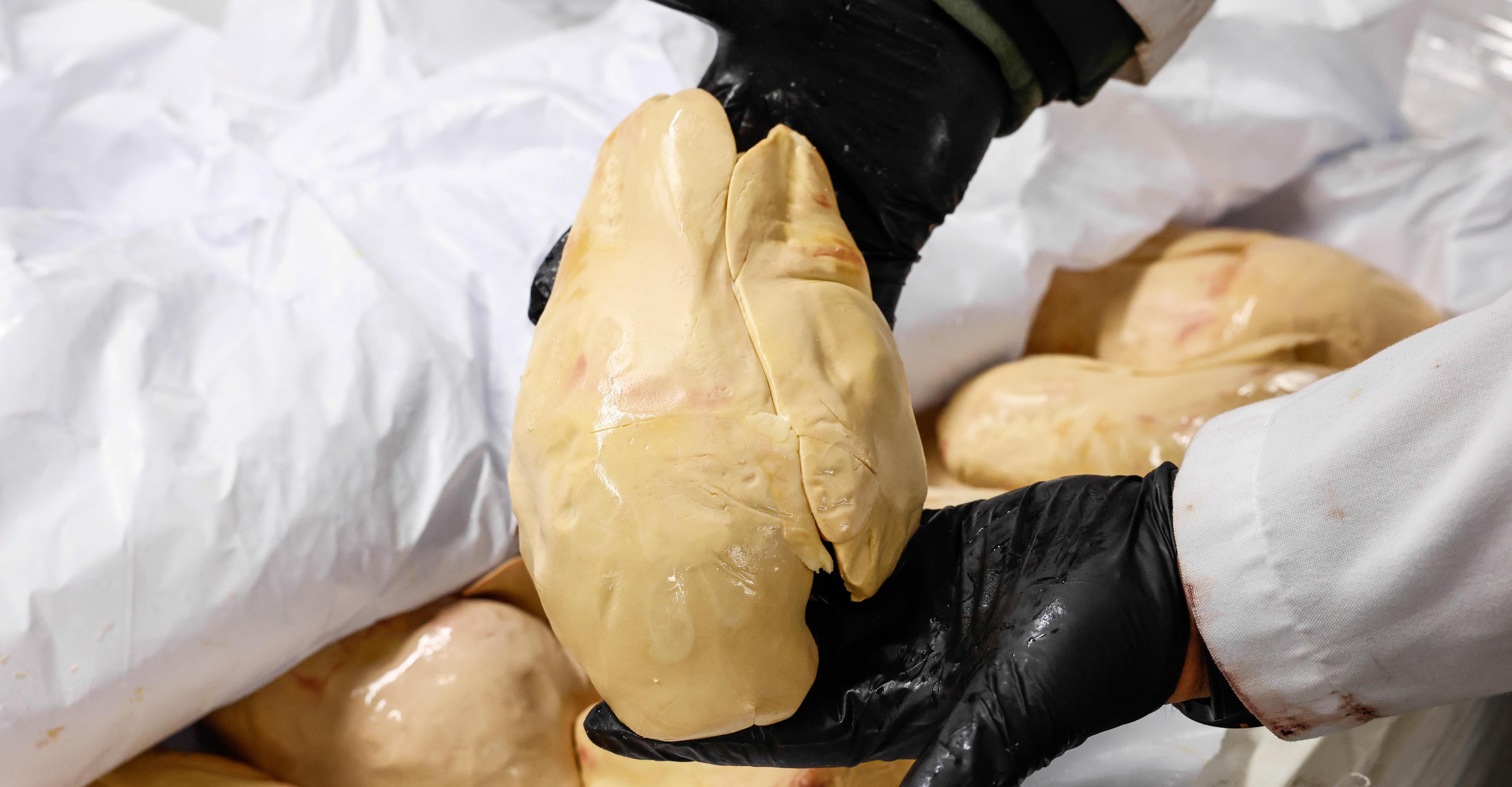
Two US cities could soon ban one of the world’s most controversial foods
- 9 hours ago
Pakistan Army conducts successful test launch of hypersonic Fatah-2 extended range missile: ISPR
- a day ago