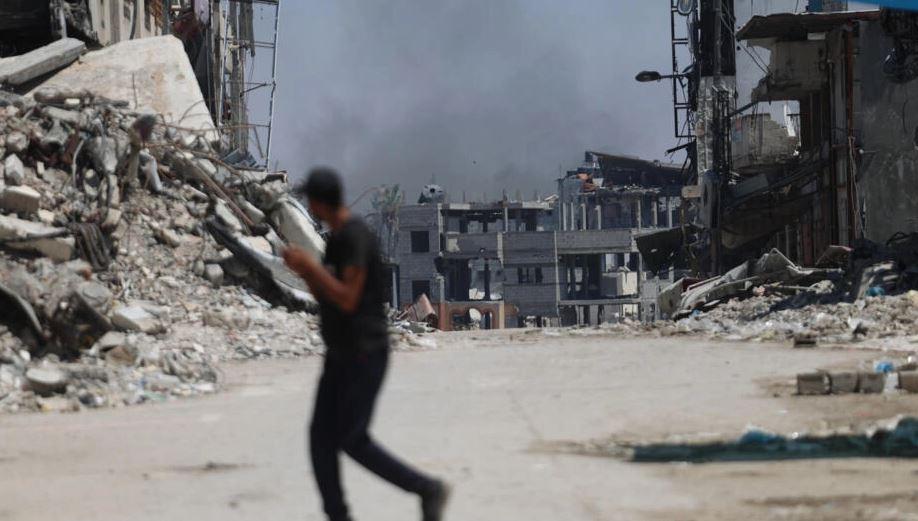
Israel and Hamas will begin indirect talks in Egypt on Monday after Hamas said it would accept parts of President Donald Trump’s Gaza peace plan, including releasing all remaining Israeli hostages. I spoke with my colleague Josh Keating about what we know abo…

Published a year ago on Oct 8th 2025, 7:00 am
By Web Desk
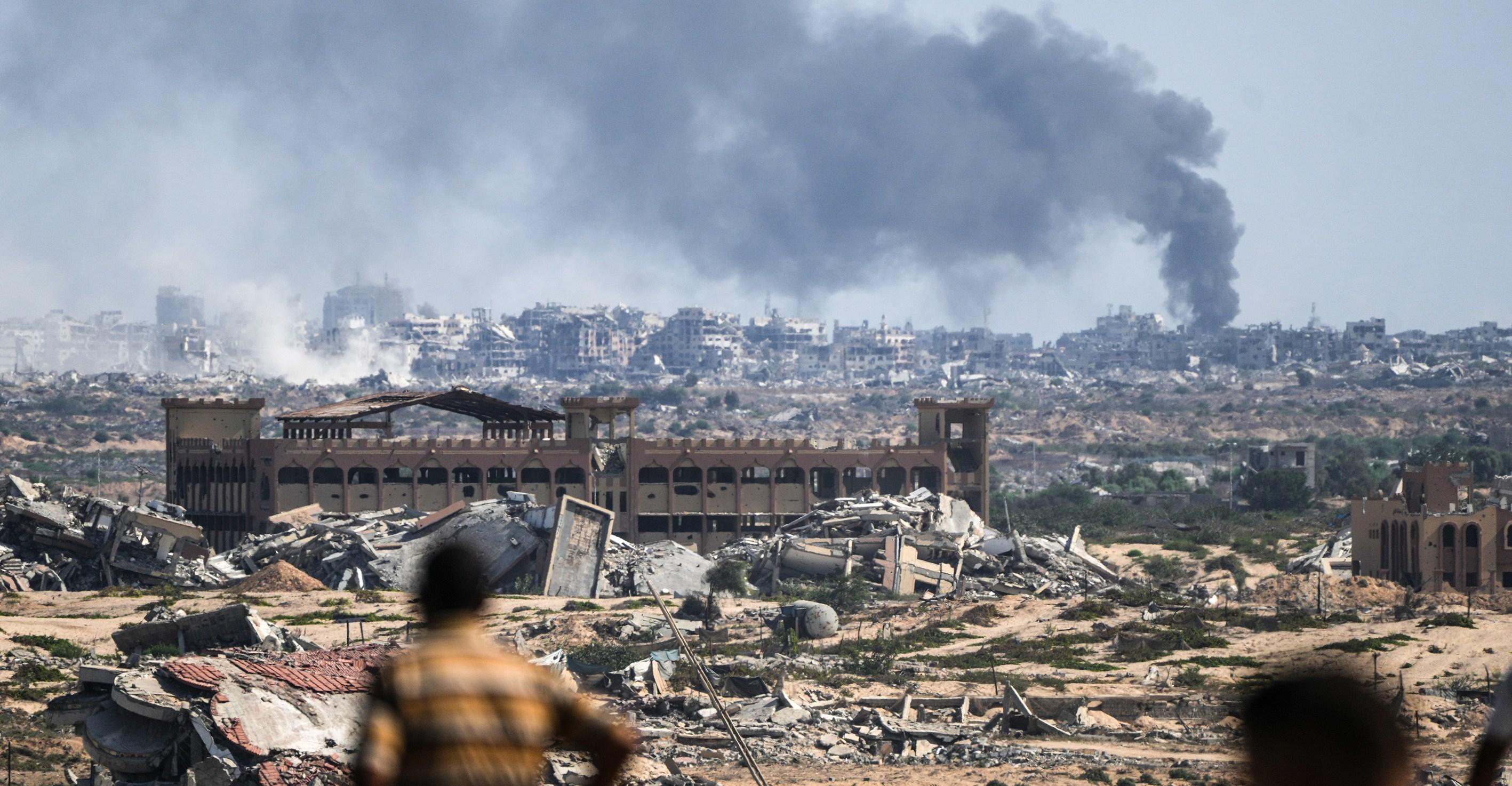
Israel and Hamas will begin indirect talks in Egypt on Monday after Hamas said it would accept parts of President Donald Trump’s Gaza peace plan, including releasing all remaining Israeli hostages. I spoke with my colleague Josh Keating about what we know about the deal and its chances of succeeding for Vox’s daily newsletter, Today, Explained. Our conversation is below, and you can sign up for the newsletter here for more conversations like this.
What happened on Friday? Is the war actually about to end?
On Friday, Hamas issued a response to the 20-point Gaza peace plan, which had been put forward by President Donald Trump last Monday and which had already been provisionally agreed to by Israeli Prime Minister Benjamin Netanyahu. Hamas announced that it had agreed to the deal, including the release of all its surviving hostages and the remains of those who have died, but stated that it wished to begin talks to “discuss the details” of the arrangement.
Though Trump appears to have interpreted this as a “yes,” skeptics in both Israel and the US suspect the group is just playing for time and will bog down the process in negotiation over the details.
On Saturday, following a demand from Trump, the Israeli military was ordered to halt its operations in Gaza in order to prepare for the prisoner release, though some strikes still took place.
What makes this plan different from previous failed efforts?
Unlike previous ceasefires, this deal would see all of Hamas’s remaining Israeli hostages, taken on October 7, 2023, released at once. It would also see Hamas give up its weapons and its governance role in Gaza. As an inducement, the deal promises amnesty to Hamas members who lay down their arms.
The deal combines previous US proposals with more recent language worked out by former British Prime Minister Tony Blair and Trump’s son-in-law Jared Kushner. It’s purposely vague on a number of the stumbling blocks that have scuttled previous efforts to end the war. It envisions Israeli forces gradually withdrawing from the strip as the deal is implemented, but attaches no time frame to that withdrawal and allows Israel to keep a “security perimeter presence” inside Gaza indefinitely. It states that Hamas’s rivals in the Palestinian Authority would eventually govern Gaza — previously a nonstarter for Israel — but only after an extensive “reform program.”
In the meantime, Gaza would be governed by a provisional government overseen by a “Board of Peace” that includes Blair and is overseen by Trump himself.
How much credit does Trump deserve in all of this?
According to reporting from Axios, the wider peace deal emerged out of conversations between the Trump administration and Arab governments over resolving the diplomatic crisis that followed Israel’s bombing of Qatar in early September.
Those Arab countries signed onto the deal and reportedly pressured Hamas to agree to it. It reportedly took a “stern and clear” phone call from Trump to Netanyahu to dissuade the Israeli leader from rejecting the deal or demanding sweeping changes to it.
If all that’s true, and if the deal actually works, Trump can fairly claim significant credit for it. But those are still big ifs.
What are you looking out for as we wait to see if this deal takes effect?
Negotiators for both Israel and Hamas are headed to Egypt this week to discuss the implementation of the deal. Hamas did not say anything in its statement on Friday about disarming — a key demand for Israel. It also seems plausible that Hamas may look to tie the withdrawal of Israeli forces from central Gaza to a more specific timetable.
This is still far from a done deal.
What’s the current situation in Gaza? What would this deal mean for the Palestinian people?
In August, parts of Gaza were officially declared under famine, meaning more than 20 percent of households face extreme lack of food. Israel has ordered all residents of Gaza City, the enclave’s most populous city, to evacuate ahead of a renewed ground offensive and on Thursday, just a day before Hamas’s response, blocked the main road into the city to prevent people from returning. More than 400,000 people have fled the city in the last few weeks, and Israeli officials have stated that any who remain will be treated as enemy combatants.
The Gaza City operation is presumably off if the deal goes through. If it does not, Trump says that Israel would have his full support to “finish the job” — wiping out Hamas by military force no matter how many Gaza civilians or Israeli hostages die in the process.

Gold prices plummet in Pakistan, global markets
- 3 days ago

OpenAI won’t go public until its models are safe
- 9 hours ago
UN Secretary-General Guterres to arrive in Pakistan tomorrow
- 21 hours ago

Apple’s ‘HomePad’ will reportedly launch on October 13th
- 9 hours ago

How did the Cornell rape case go so wrong?
- 2 days ago
Pakistan's delegation to attend Makkah defence committee meeting in Riyadh today
- a day ago

Medvedev disqualified from China Open semi after hitting ball into crowd
- 17 hours ago

The best early October Prime Day deals happening now
- 9 hours ago
ROMO OUT AT CBS AFTER DUI...
- 2 days ago

What color is a tennis ball?
- 7 hours ago

US withdraws all bomber aircraft from UK airbase used during Iran war
- 16 hours ago

The Sonos Ace Ultra are the headphones Sonos should have made the first time
- 9 hours ago
You May Like





Trending