Donating money isn’t the only way you can help people. You can also give your blood. Although approximately 62 percent of Americans are eligible to donate blood, only 3 percent do so each year. But someone needs blood every few seconds in the US. While the a…

Published 10 months ago on Dec 3rd 2025, 7:00 am
By Web Desk
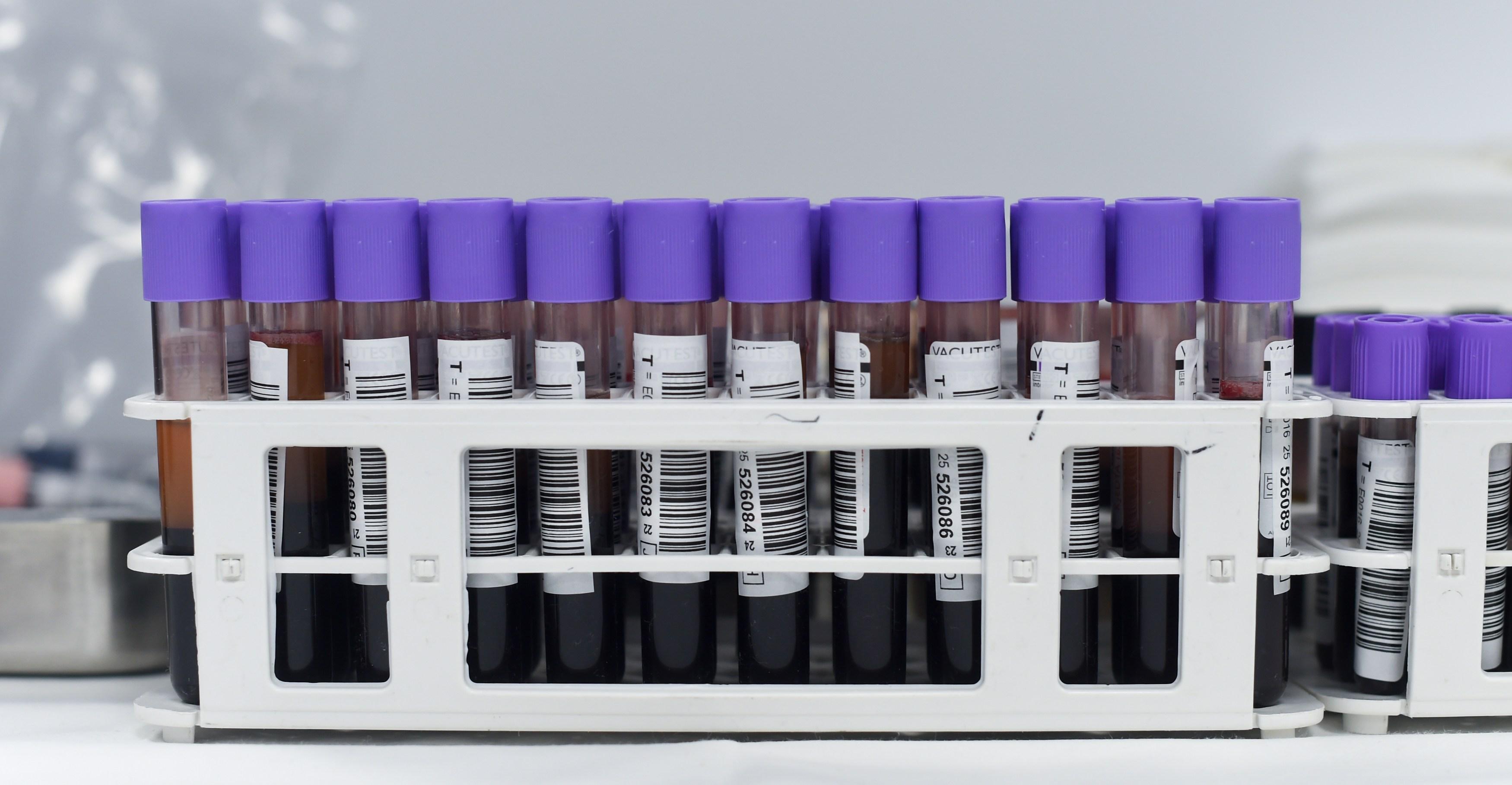
Donating money isn’t the only way you can help people. You can also give your blood.
Although approximately 62 percent of Americans are eligible to donate blood, only 3 percent do so each year. But someone needs blood every few seconds in the US. While the average red blood cell transfusion is about three units, a single car accident victim can need up to 100 units of blood.
This story was first featured in the Today, Explained newsletter
Understand the world with a daily explainer plus the most compelling stories of the day. Sign up here.
However, as temperatures dip and the holiday season approaches, blood donations drop off dramatically. New York Blood Center Enterprises (NYBCe) — a community-based blood center which, despite the name, serves over 17 states and upward of 75 million people — regularly sees a nearly 50 percent drop in donations in the last few weeks of the year.
“We know everybody’s schedules get really busy,” Diane Calmus, the vice president of government affairs at America’s Blood Centers, told me. But people “continue to have babies and can hemorrhage. Car accidents continue to happen. Cancer patients continue to need treatment.” All of these situations require a continuous blood supply.
How blood donation works
When you picture a blood donation, you’re probably thinking of whole blood. It’s the most flexible donation type and requires the least time commitment.
Blood is made up of four parts — plasma, white and red blood cells, and your platelets. You can donate these individually, but most donations are of whole blood, which comes directly from your veins. It can be transfused as-is to a single person rapidly losing blood, or separated out into red blood cells, plasma, and platelets to help up to three people.
While there are 48 recognized blood groups, the most important for transfusion are the ones you’re probably already familiar with: A+, A-, B+, B-, AB+, AB-, O+, O-. There’s a very good chance that anyone reading this is likely O+. Outside of some countries in Europe and Asia, it’s the most common blood type in the world. About 38 percent of Americans, myself included, have O+ blood. Black and Latino Americans are more likely to be O+ than white and Asian Americans.
Your blood type is genetic, and some people have extremely rare blood types. People with these rare blood types can only receive blood from others with the same type, which is a problem because there are so few donors, and you can suffer severe medical complications and even die from receiving incompatible blood.
The challenge of motivating donors
Getting people to donate isn’t easy. It’s hard when you’re busy to go out of your way to a donation site. And so making donation more convenient for volunteer donors is crucial. I, for one, have mostly donated through school- or workplace-based drives.
Even then, giving your blood takes time. After registration, donors undergo a health screening. You’ll also be asked questions about your health and travel history, and you may be deferred if you’ve recently traveled to a place where bloodborne infections like malaria are common. Most deferrals are not permanent, but many people do not return after being turned away.
Some people are afraid of needles, and there’s no way to get around that for a blood draw (although I can attest that it doesn’t really feel like more than a brief pinch, and the needles are safe, single-use, not that big, and clean).
Blood centers always seek new donors, and while they don’t pay people for blood used for transfusions in the US, that doesn’t mean there are no gift incentives. Maybe you’ve gotten messages asking you to donate blood before a certain date to receive an e-gift card, clothing item, or chance to win a vacation package.
People give all sorts of reasons why they don’t donate, often based on misconceptions about the process, but “the number one reason people don’t donate is because they weren’t asked,” said Nakul Raykar, a trauma surgeon at Brigham and Women’s Hospital and the chair of the Blood D.E.S.E.R.T Coalition.
So consider this an ask.
Want to know more about the future of blood donation? Check out the full version of this piece here:
[Image: https://platform.vox.com/wp-content/uploads/sites/2/2025/11/VOX_Giving-Blood_Jess_Hannigan.jpg?quality=90&strip=all]
Your blood could save up to three lives this Giving Tuesday

The director of Fjord takes the ‘risky position’ of moderator
- 19 hours ago
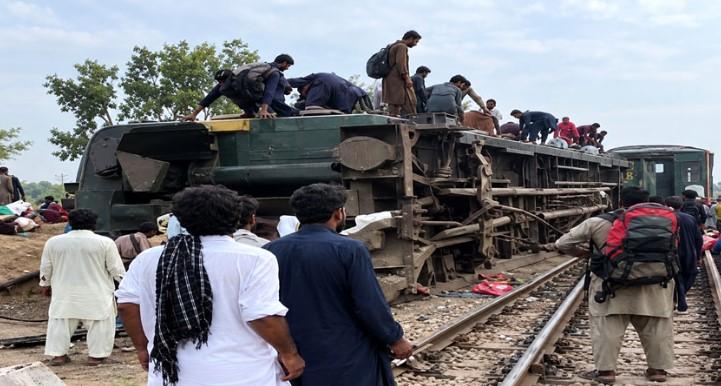
Four killed as Rehman Baba Express train derails near Multan
- 6 hours ago

Apple to unveil new smart home products, showcasing updated Siri AI
- 7 hours ago

Why the right turned on Indian Americans
- 17 hours ago

Pakistan Army conducts successful test launch of hypersonic Fatah-2 extended range missile: ISPR
- 6 hours ago

Funeral prayers of two martyred officers of Mushshak crash offered at Chaklala Garrison
- 4 hours ago

Closure of Riyadh airport extended after deadly Houthi strike
- a day ago
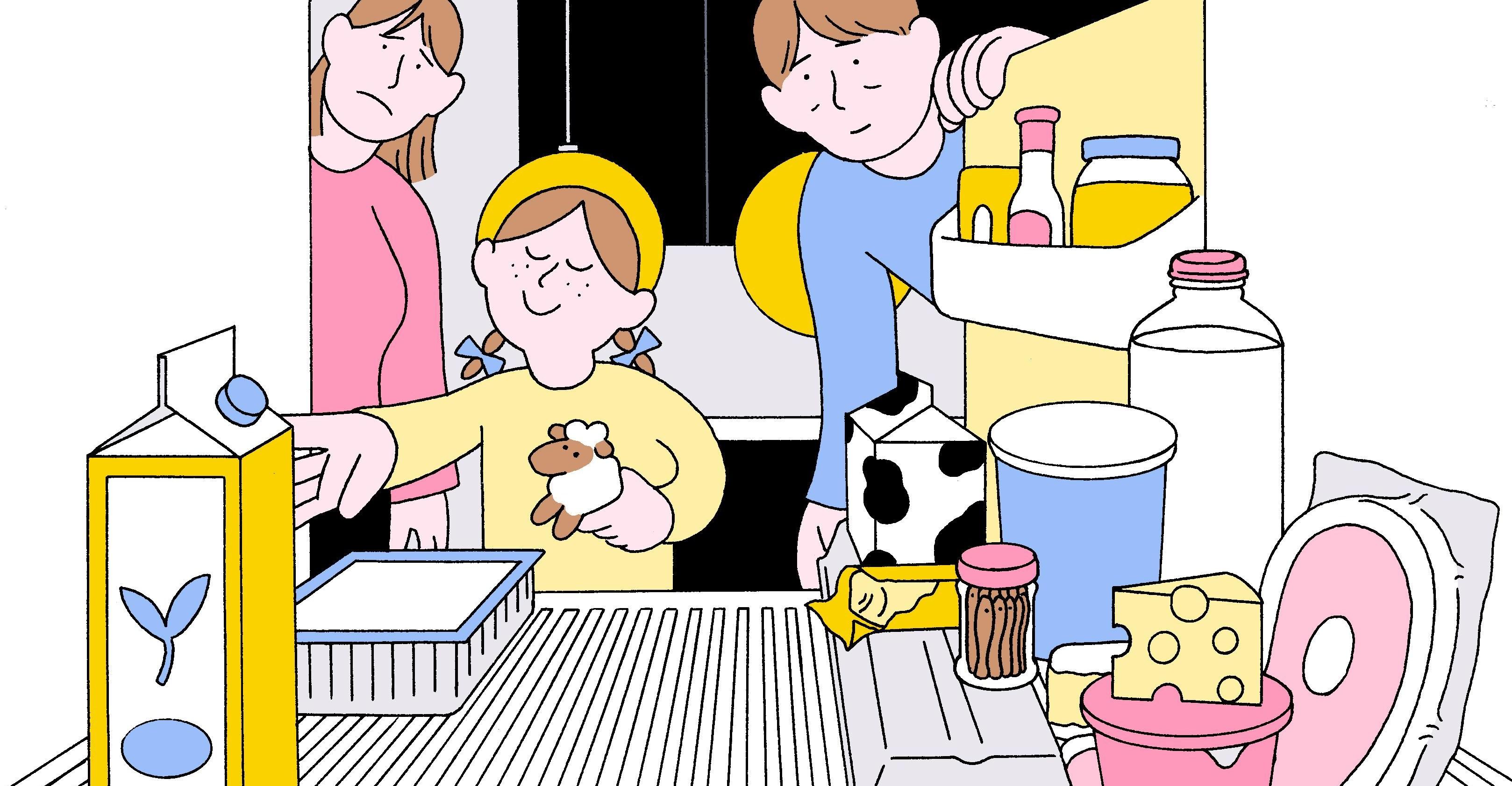
Your kid wants to go vegan. Should you let them?
- 17 hours ago

Saudi-led coalition orders evacuation of Yemen oil facility in Sanaa ahead of operation
- 2 hours ago
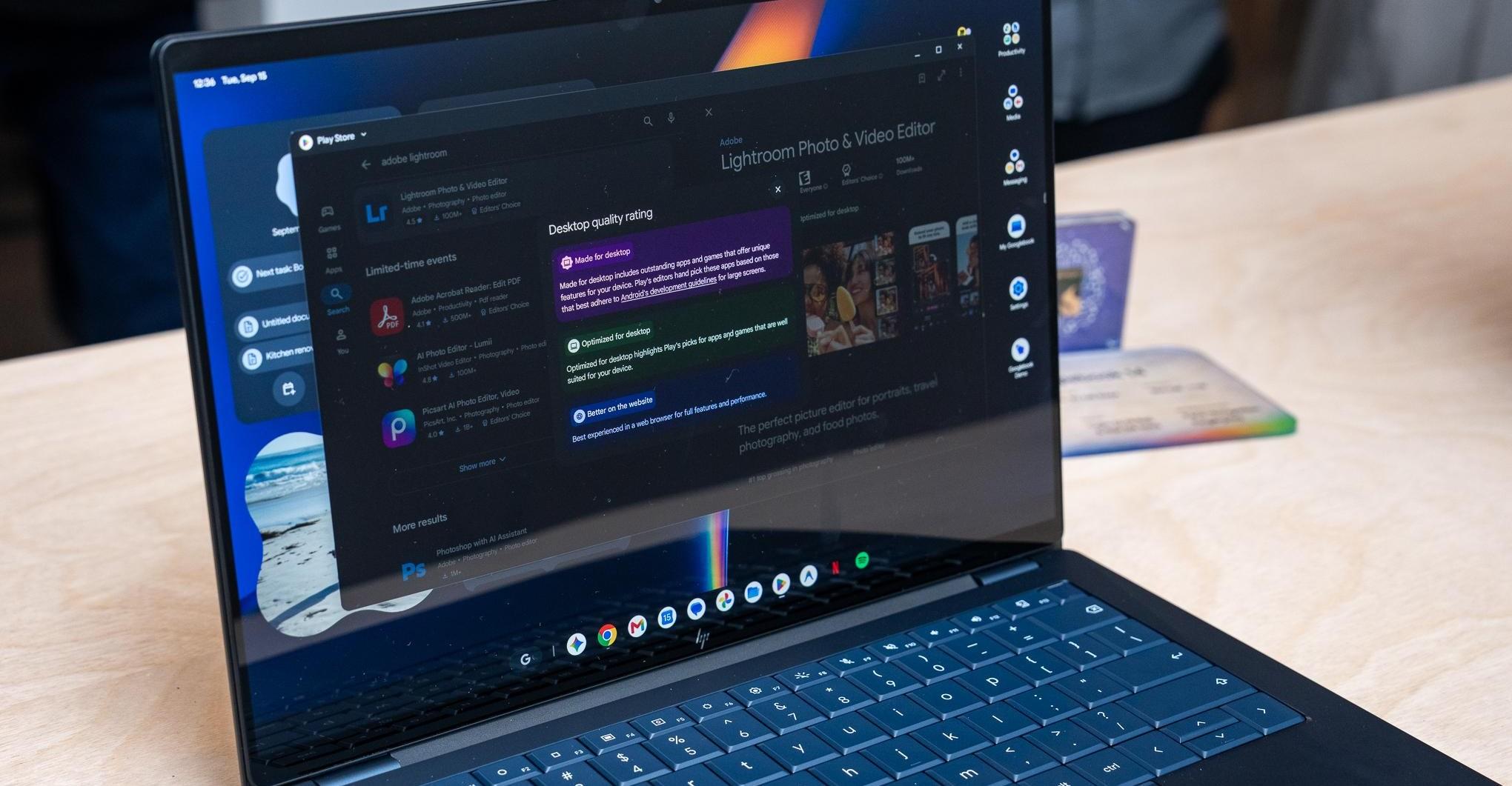
A week with Googlebooks: four notes from our testing so far
- 19 hours ago
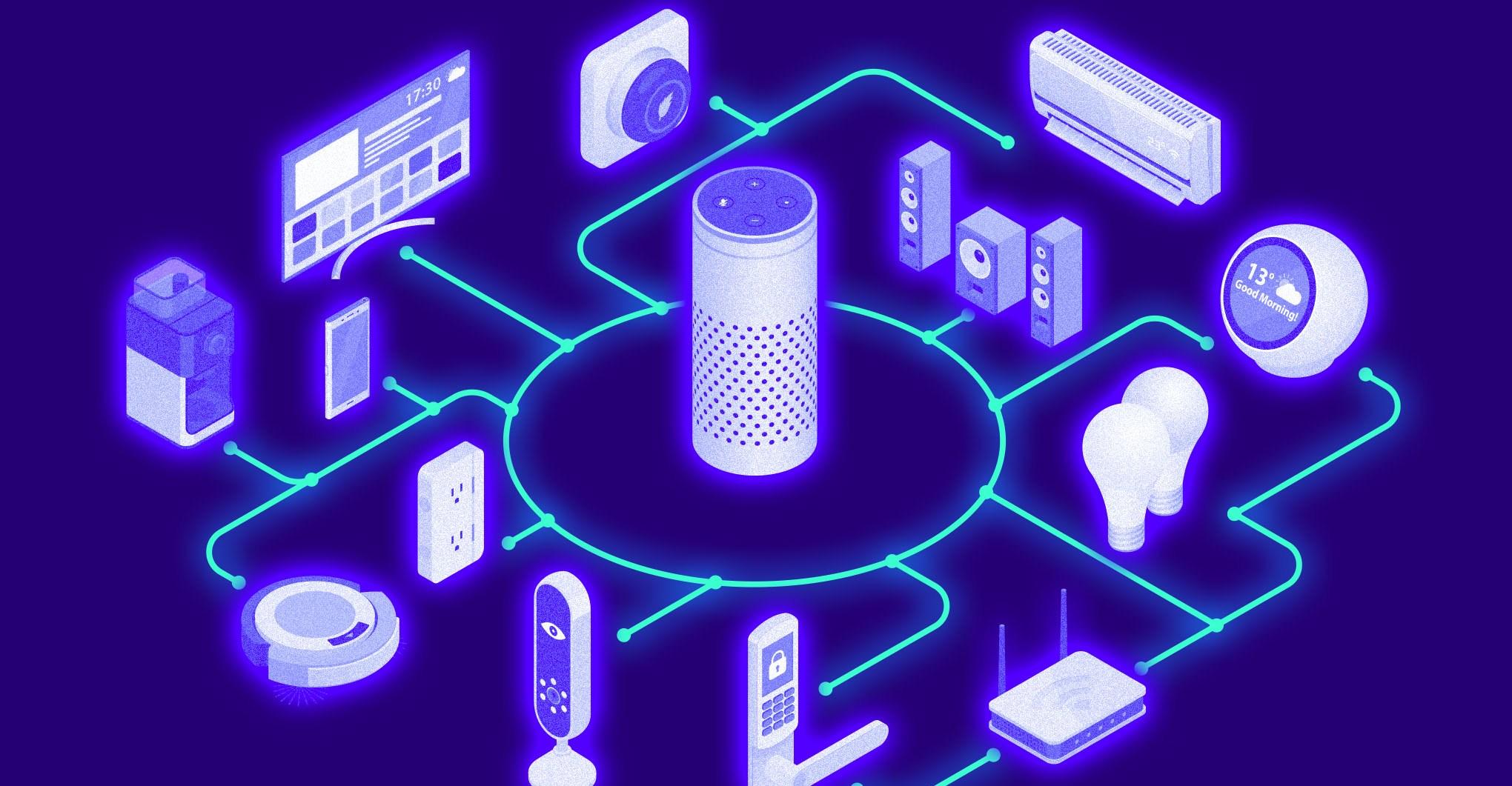
Apple and LG leak shows new ‘tap to control’ HomeKit features
- 19 hours ago
The man who will likely be the next House speaker, explained
- 17 hours ago
You May Like




Trending