
Technology
- Home
- Technology
- News
Antigravity’s 360-degree drone is here to help you forget DJI
With DJI facing an imminent import ban in the US and its flagship drones disappearing from shelves, the new Antigravity A1 didn’t need to be a groundbreaking gadget to make headlines. It just needed to be a competent alternative that you can actually buy in t…

Published 10 months ago on Dec 11th 2025, 2:00 pm
By Web Desk
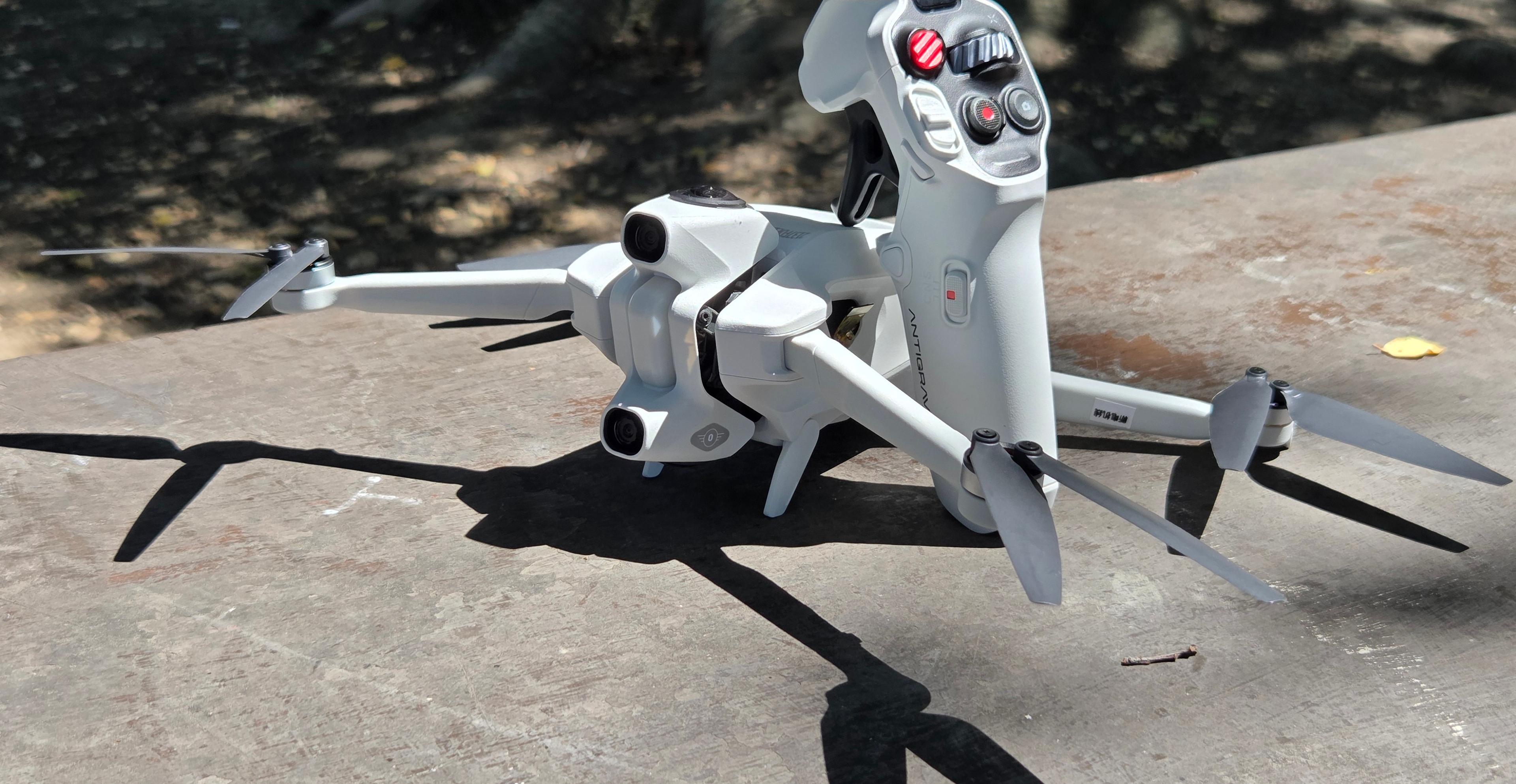
With DJI facing an imminent import ban in the US and its flagship drones disappearing from shelves, the new Antigravity A1 didn’t need to be a groundbreaking gadget to make headlines. It just needed to be a competent alternative that you can actually buy in the United States. In August, the Chinese brand couldn’t promise that for sure.
But today, it’s happening: the Antigravity A1 is now on sale at Best Buy here in the US, on shelves and shipping this very week as well as Antigravity’s own site. And thankfully, it’s not just a DJI alternative: this $1,599 drone and headset combo is like nothing I’ve tried before.
When I let a friend who’s never piloted a drone before try the Antigravity A1, she had an absolute blast. I put the goggles on her head, put her fingers on the right buttons and told her how to fly, and she did the rest herself.
[Image: My friend who’d never flown a drone before. I could see what she’s seeing through the single screen on the goggles. https://platform.theverge.com/wp-content/uploads/sites/2/2025/12/antigravity-a1-first-flight.jpg?quality=90&strip=all]
[Media: https://www.tiktok.com/@verge/video/7538428961534070071]
Because, as I explained in August and as you can see in my embedded video, this 8K drone isn’t about “piloting a drone” or “shooting aerial footage.” It’s designed to keep you from having to think about flying or filming at all.
The 360-degree camera and motion-sensing goggles let you simply turn your head to look in any direction. Inside, you’ll see a line you can move with your arm and point where you want to go. Pull a trigger, and the drone flies there, while your head stays free to take in the sights from above. And because you’re recording video in every direction simultaneously, you can rotate and zoom your recorded video when you’re done.
I don’t have a full review today, because I’ve had too many rainy or busy weekends, but Sam Kieldsen at Wired and Mat Smith at Engadget do a good job summarizing the pain points I’ve seen in early flights. The video quality is reasonably good, the quality feels high, but it’s a bit of a chore to set up (I had to update a battery before it’d let me take off). It feels more sluggish and floaty than typical FPV drones, and the software needs a bit more work. Adam Doud, for Mashable, said he couldn’t export his files at all, and Smith had trouble too.
And, at $1,599 — $1,899 if you want three batteries, a multi-charger, and a carrying case, or $1,999 for three “high-capacity” batteries promising 39 minutes rather than 24 — this drone is more expensive than drones with cameras that’ll produce higher-quality traditional rectangular footage, and, perhaps understandably due to all the cameras, boasts less battery life than DJI.
In my early demo, the Antigravity A1 weighs, flies, and folds like a DJI Mini, not the higher-grade Mavic or Air, even though it’s priced closer to where those higher-end drones were priced when they were broadly available in the US.
But none of those prosumer DJI drones came with a 360-degree camera system and bundled goggles that make easy flying and filming the priority. (Antigravity’s goggles are more impressive, too, with wider FOV.) And 360-degree video expert Hugh Hou is impressed: he says it’s better quality than the Insta360 X5 and DJI’s Osmo 360!
[Media: https://www.youtube.com/watch?v=MipoNX7X0mA]
The pricing also isn’t bad when you compare it to the cost of a DJI Mini 4 Pro plus a set of DJI Goggles 3. In the UK: £1,219 for Antigravity vs. £1,268 for DJI. (The Goggles 3 don’t support the Mini 5 Pro yet, but the price is the same.) In Europe, the same items would be €1,399 for Antigravity and €1,458 for DJI, or CAD $1,899 vs. roughly CAD $1,601 (converted) in Canada.
However, DJI’s own 360-degree drone, the Avata 360, just got FCC clearance last week. Maybe it’ll make it to the US before the door closes on future DJI gadgets.
The Avata 360 might be a different beast than the Antigravity A1, though. While the A1 is a beginner-friendly Mini-style drone that gently flies around, and is light enough that it shouldn’t need registration, DJI’s Avata models have been heavier cinewhoop-style FPV drones designed for swooping and soaring at high speed. In the UK, an Avata 2 combo with the Goggles 3 and three batteries can be had for £1,049.
For me, the biggest question is whether the wireless signal is as bulletproof as DJI’s, such that I won’t lose control or visual when I fly the drone. So far, that feels much better than in my original hands-on, but it does claim as little as half the range as DJI (10km vs. 20km max transmission, up to 6km vs. up to 10km with medium interference), and I’d expect far less in real world environments. I don’t see others complaining, but I haven’t tested it directly against DJI’s tech yet.
Update, December 4th: We’ve added some hands-on impressions and specs to this story now that embargo has lifted.

Will November stop Trump’s agenda?
- 13 hours ago
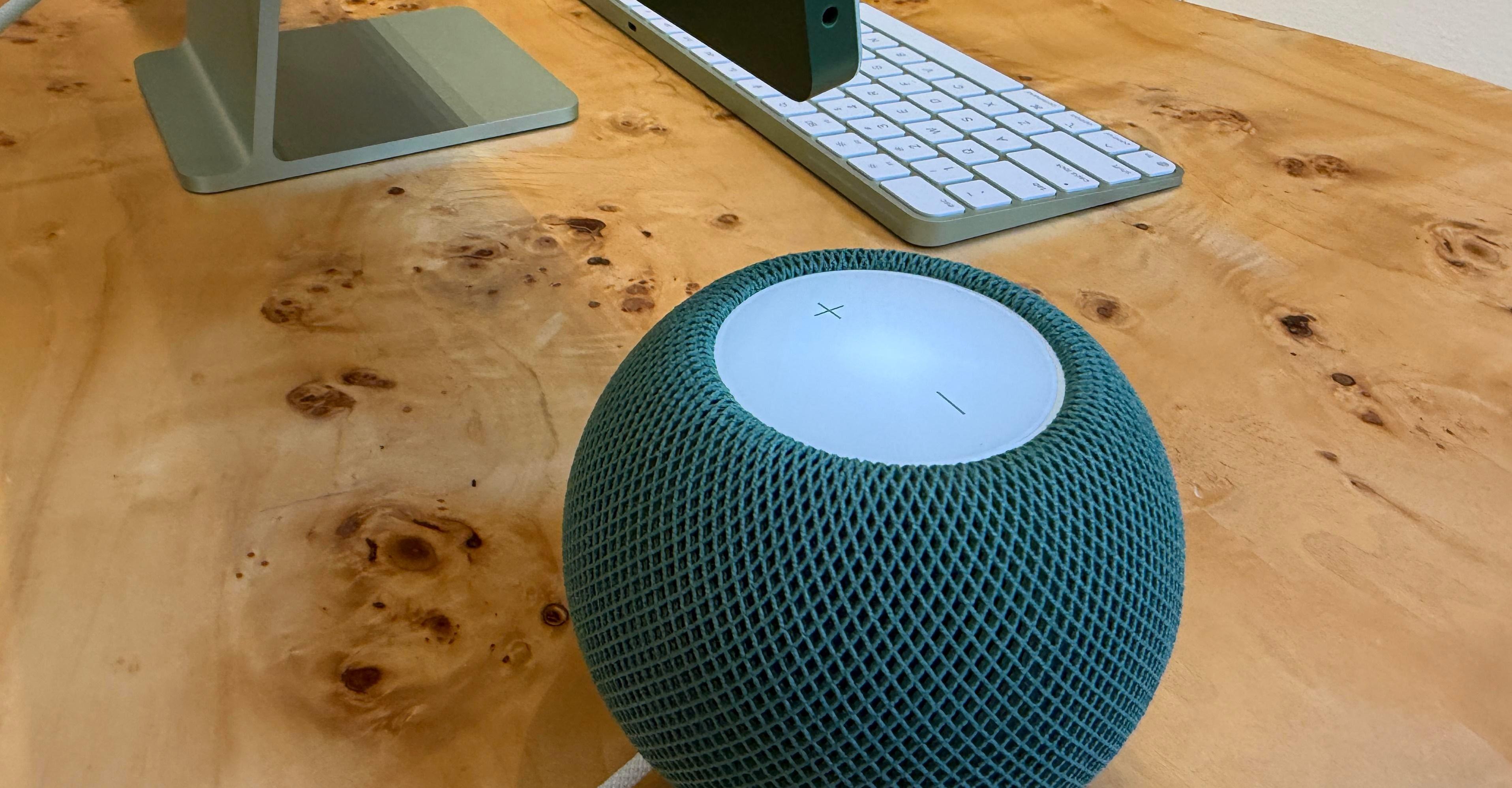
Here are all the new HomePod Mini 2 colors
- 15 hours ago
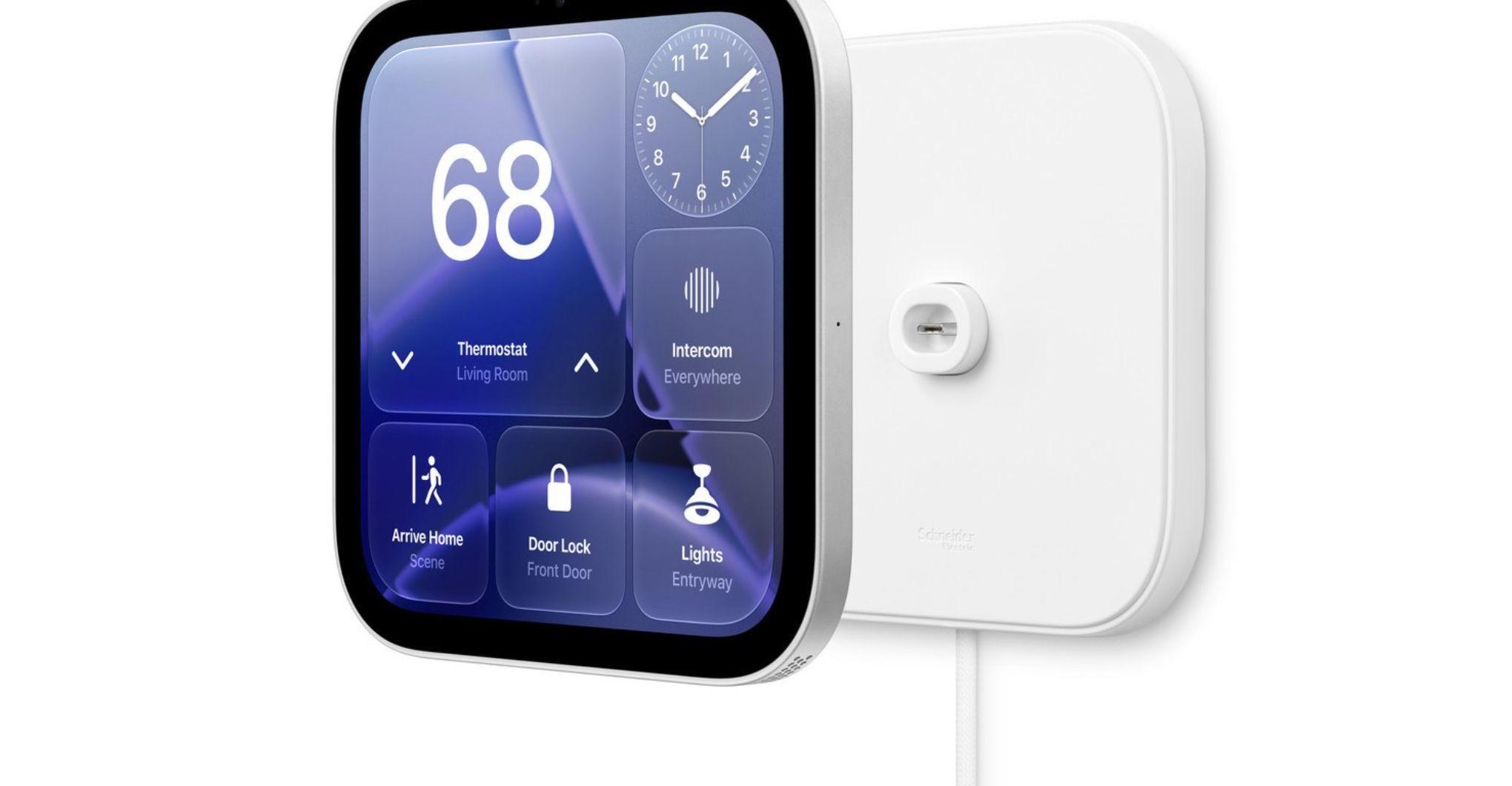
Buying Apple’s wall-mounted HomeView? The mount costs extra
- 6 hours ago

Indian police detain 'cockroach' movement founder Dipke ahead of protest
- a day ago
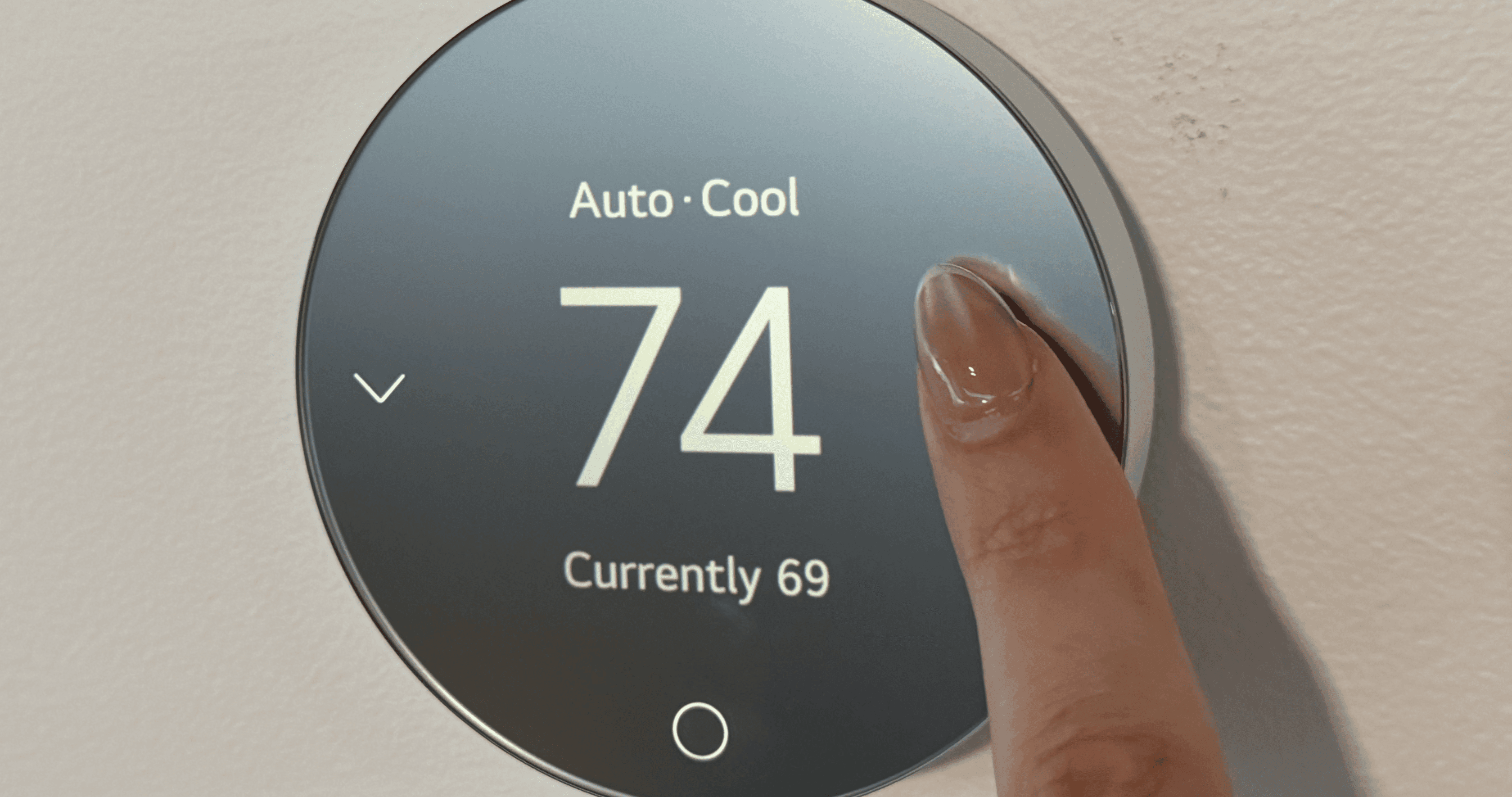
Hands-on with the Apple Home Collection
- 6 hours ago

Character.AI files for bankruptcy
- 15 hours ago
The Ocarina of Time remake feels remarkably modern — and surprisingly terrifying
- 15 hours ago

Cold weather and high prices could flip the Senate
- 13 hours ago

Jodar apologises for swearing at ball kid in Shanghai
- a day ago

Pakistan warns India against any misadventure: FO
- a day ago

Florida’s uniquely horrifying death penalty system
- 13 hours ago

Trump’s revenge campaign comes for Ilhan Omar
- 13 hours ago
You May Like



Trending