
Technology
- Home
- Technology
- News
Hundreds of creatives warn against an AI slop future
Around 800 artists, writers, actors, and musicians signed on to a new campaign against what they call "theft at a grand scale" by AI companies. The signatories of the campaign - called "Stealing Isn't Innovation" - include authors George Saunders and Jodi Pic…

Published 9 months ago on Jan 26th 2026, 5:00 am
By Web Desk
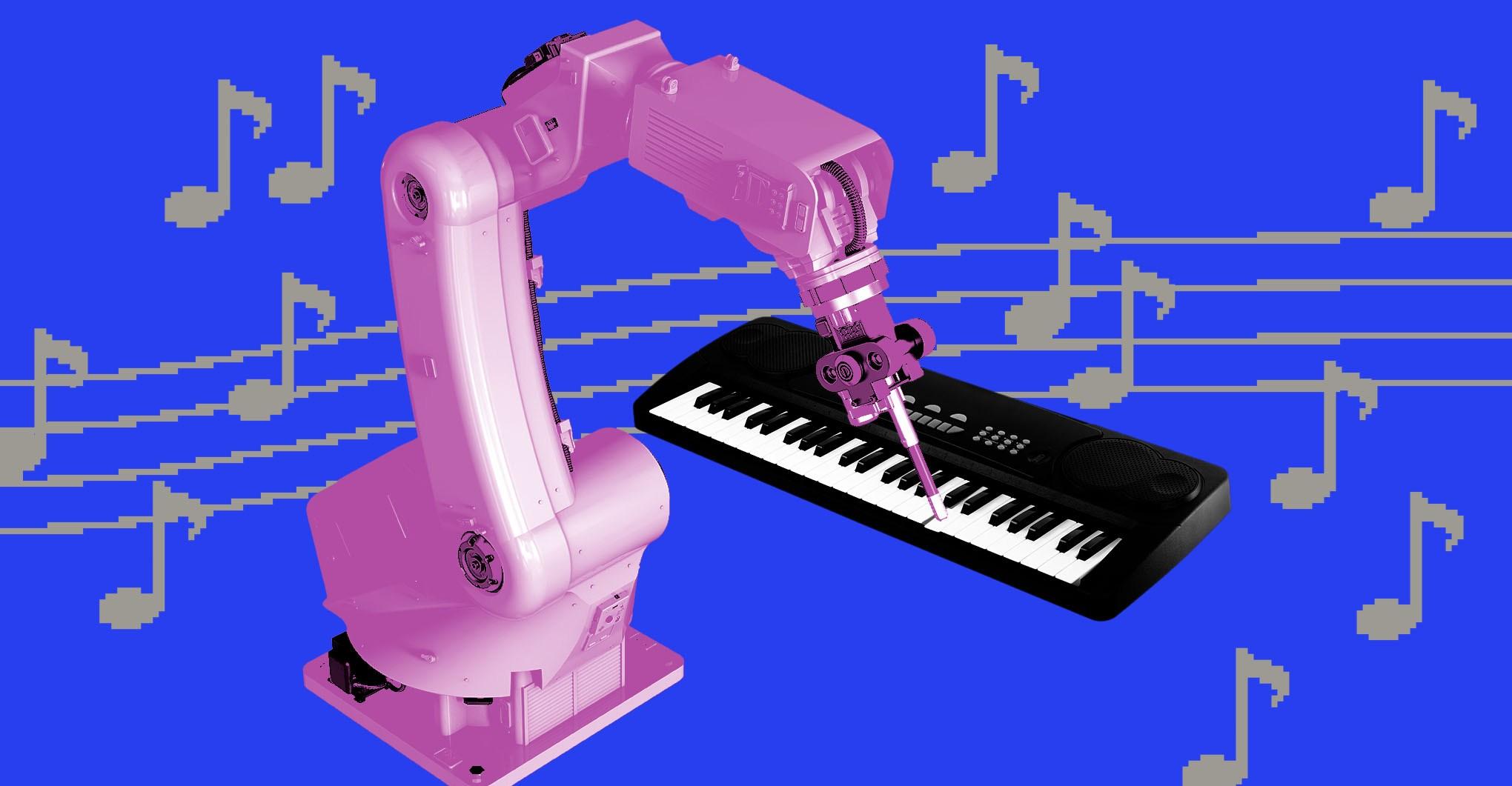
Around 800 artists, writers, actors, and musicians signed on to a new campaign against what they call “theft at a grand scale” by AI companies. The signatories of the campaign — called “Stealing Isn’t Innovation” — include authors George Saunders and Jodi Picoult, actors Cate Blanchett and Scarlett Johansson, and musicians like the band R.E.M., Billy Corgan, and The Roots.
“Driven by fierce competition for leadership in the new GenAI technology, profit-hungry technology companies, including those among the richest in the world as well as private equity-backed ventures, have copied a massive amount of creative content online without authorization or payment to those who created it,” a press release reads. “This illegal intellectual property grab fosters an information ecosystem dominated by misinformation, deepfakes, and a vapid artificial avalanche of low-quality materials [‘AI slop’], risking AI model collapse and directly threatening America’s AI superiority and international competitiveness.”
The advocacy effort is from the Human Artistry Campaign, a group of organizations including the Recording Industry Association of America (RIAA), professional sports players unions, and performers unions like SAG-AFTRA. The Stealing Isn’t Innovation campaign messages will appear in full-page ads in news outlets and on social media. Specifically, the campaign calls for licensing agreements and “a healthy enforcement environment,” along with the right for artists to opt out of their work being used to train generative AI.
On the federal level, President Donald Trump and his tech industry allies have been attempting to control how states regulate AI and punish those that try. At the industry level, tech companies and rights owners who were once on opposing sides are increasingly cutting licensing deals that allow AI companies to use protected work — licensing content appears to be a solution both parties can live with, at least for now. Major record labels, for example, have now partnered with AI music startups to provide their catalogues for AI remixing and model training. Digital publishers, some of which have sued AI companies training on their work, have backed a licensing standard that outlets can use to block their content from surfacing in AI search results. Some outlets have signed individual deals with tech companies that allow AI chatbots to surface news content (Disclosure: Vox Media, The Verge’s parent company, has a licensing deal with OpenAI.)
Pakistan, IMF reaffirm commitment to macroeconomic stability
- 2 hours ago

FinMin Aurangzeb reaffirms support for V20's climate finance agenda
- 2 hours ago

Mushshak training aircraft crashes near Quetta; two pilots martyred
- 4 hours ago

PM Shehbaz calls for comprehensive strategy to combat diabetes
- 2 days ago
UPDATE: DITKA DEAD AT 86...
- 2 days ago
Pakistan calls for immediate de-escalation of Ukraine conflict
- 2 days ago

Saudi-led coalition says destroyed more than 100 Houthi targets
- 2 days ago

Rear Admiral Shifaat Ali Khan promoted as Vice Admiral
- 3 hours ago
President Zardari and PM Shehbaz 'agree' on imposition of emergency in KP: sources
- 2 days ago
Is this the cure for Alzheimer’s?
- 3 days ago

Disney Plus will stream Super Bowl LXI
- 2 days ago

Who are the violent Israeli settlers in the West Bank?
- 2 days ago
You May Like


Trending