President Donald Trump’s approach to foreign policy so far has been to speak loudly and carry a big stick. On Friday, the Supreme Court took away his favorite stick. From Cuba, to China, to Greenland, it’s not an exaggeration to say that tariffs are the defau…

Published 9 ماہ قبل on فروری 22 2026، 7:00 صبح
By Web Desk
Editor’s note, February 21, 4 pm ET: President Trump said Saturday that he would impose a global tariff of 15 percent to replace the tariffs struck down by the Supreme Court. This story was originally published on February 20.
President Donald Trump’s approach to foreign policy so far has been to speak loudly and carry a big stick. On Friday, the Supreme Court took away his favorite stick.
From Cuba, to China, to Greenland, it’s not an exaggeration to say that tariffs are the default foreign policy tool of the second Trump administration. He has regularly used them to threaten allies, isolate enemies, and demand policy concessions on a host of issues that often had little to do with trade.
The Supreme Court’s 6-3 decision ruling many of Trump’s tariffs illegal “effectively neutralizes tariffs as a geoeconomic weapon,” said Edward Fishman, a former State Department and Treasury official who is now director of the Center for Geoeconomic Studies at the Council on Foreign Relations.
The purposes for which Trump has used tariffs are one of the more unusual aspects of his foreign policy. Past presidents have used them to address trade imbalances, or to protect certain industries from foreign competition. Trump takes a much wider view of their utility.
One of his earliest actions was to impose tariffs on Canada, China, and Mexico over their alleged failures to stem the flow of fentanyl into the United States. Countries have been hit with tariffs for not complying with the administration’s deportation policy. He has imposed tariffs against countries like India for buying Russian oil and more recently threatened them against countries that provide Cuba with oil. In January, he threatened (though later paused) tariffs against eight European countries that opposed his ambitions to acquire Greenland.
The tariffs can be personal. Last summer, he imposed 50 percent tariffs on Brazil over the prosecution of his ideological ally, former President Jair Bolsonaro. Trump’s belief in the coercive power of tariffs is hard to overstate. When France’s Emmanuel Macron declined to join Trump’s “Board of Peace” in January, Trump responded, “I’ll put a 200% tariff on his wines and champagnes, and he’ll join.” Last month, he threatened Canada’s Mark Carney with a 100% tariff on all goods after the prime minister delivered a critical speech at Davos and cut a deal on auto imports with China.
Nearly all these actual and threatened tariffs were said to be justified under the International Emergency Economic Powers Act (IEEPA), and are now illegal according to the Supreme Court’s ruling.
The administration has laid out alternative legal rationales for reconstructing its sanctions regime without IEEPA, mainly relying on the Trade Act of 1974. Trump said on Friday he is imposing a 10 percent “global tax” under Section 122 of the act and launching a slew of new negotiations under Section 301. But it’s hard to see how these authorities would allow him the same leeway to use tariffs as a cudgel. These laws are intended to address unfair trade practices — not wanting to give away Greenland isn’t exactly that — and have lengthy review processes. Section 122 tariffs are capped at 15 percent, far from the sort of apocalyptic trade threats Trump has made, and expire after 150 days without congressional approval.
”You can theoretically still use them as leverage in trade negotiations, but it just takes a lot longer,” said Fishman. “It’s not like a crisis can break out somewhere in the world, and Trump can threaten 30 percent tariffs to try to fix it.”
This doesn’t mean Trump will get out of the business of economic warfare. The Supreme Court notably did not say anything about the president’s ability to impose sanctions under IEEPA, which is a lot less controversial. Trump has often used tariffs — duties imposed on traded goods as they cross borders — in contexts where other administrations have used sanctions, which are legal measures to prevent economic transactions with certain countries or entities. White House officials have sometimes appeared to be a little confused about the difference.
And while Trump has imposed sanctions, he doesn’t much like them. He believes they undermine global confidence in the dollar and believes tariffs can accomplish foreign policy goals while also benefiting the economy. (Many economists would disagree.) After today, he may have to get over his distaste, returning, for better or worse, to the “sanctions-happy” ways of the last several administrations.
As Trump noted ruefully on Friday, his authorities under IEEPA give him the authority to “destroy the country” by imposing a blanket embargo on trade, but not to “charge a dollar.”
Trump’s use of tariffs as a tool of coercion has a mixed track record. Mexico has halted oil shipments to Cuba, one of the main reasons why the island’s economy is on the brink of collapse. By most accounts, Trump’s promise of tariff relief was a major factor in getting Thailand and Cambodia to the negotiating table during a border conflict last summer. But it’s been less successful against countries with the ability to retaliate. China, most notably, pushed back against the threat of sanctions by using its own methods of economic coercion.
With the dust still settling, and Trump’s reaction still uncertain, it would be a surprise to see major political shifts in the immediate aftermath of today’s decision. India is probably not going to ramp up its purchases of Russian oil overnight. But it is possible some countries may feel more emboldened in future confrontations with the US, economic or otherwise.
As for Trump, the days of waking up to an international crisis because the president threatened a world leader with ruinous tariffs overnight on social media may be behind us. But with one of his main tools of economic warfare taken away, a question going forward is whether he will be more likely to resort to more traditional kinds of warfare.
Malaysia reaffirms commitment to strengthening defence ties with Pakistan
- 10 hours ago
Nvidia reinstates Jensen Huang as CEO
- 7 hours ago
Boys Noize turns to the club (and an obscure Italian synth) for inspiration on 7LLVSION
- 2 days ago
Listen to this: Armand Hammer’s Snakes & Ladders
- 2 days ago
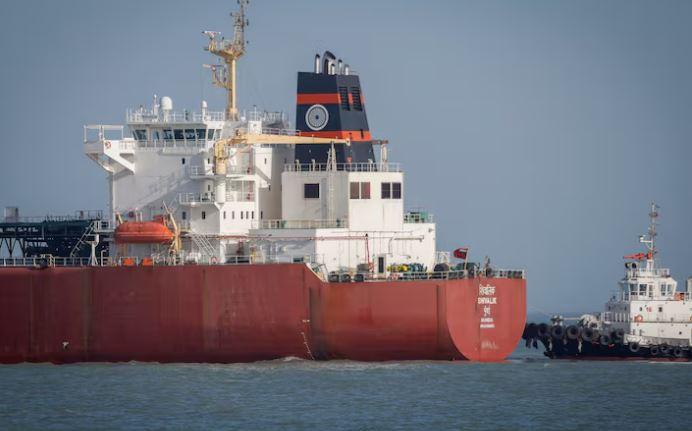
Iran says it will use all its tools to confront US naval blockade
- 11 hours ago

Punjab to launch anti-drug drives across educational institutions
- 6 hours ago
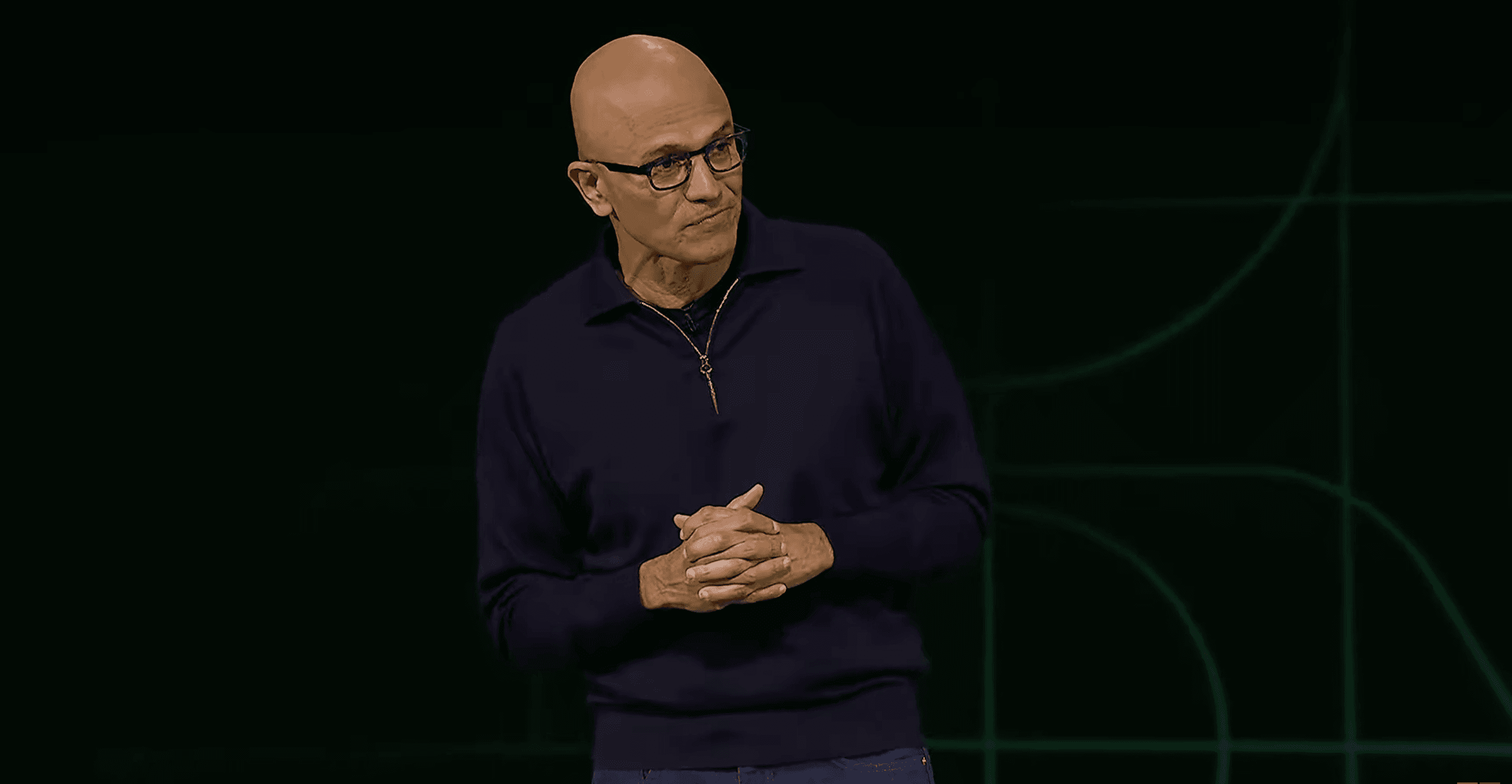
Satya Nadella says he’s AGI-pilled now
- 2 days ago

Democrats try to figure out how not to get swept away by the blue wave
- a day ago

Death anniversary of Lollywood actor Waheed Murad observed
- 6 hours ago
COLTS release QB Daniel Jones...
- 2 days ago

Adults are buying more toys than ever. You should too.
- 20 hours ago
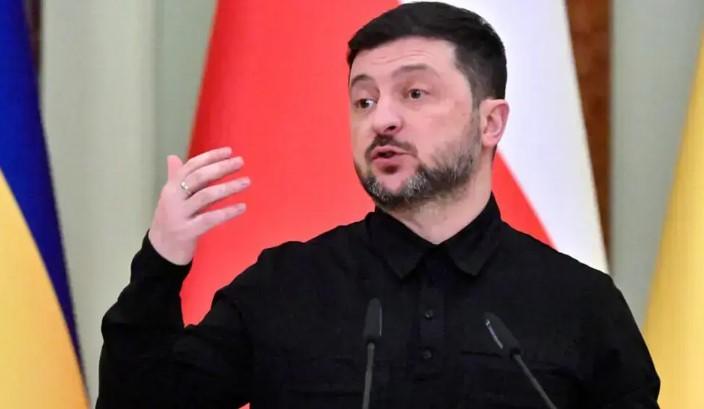
Zelensky reaffirms Ukraine's wish to join NATO
- 2 days ago
You May Like

Trending