This story appeared in Today, Explained, a daily newsletter that helps you understand the most compelling news and stories of the day. Subscribe here. Twenty-four-year-old Polish activist Dominika Lasota remembers waiting in anxious silence for the 2023 elect…

Published 7 months ago on Feb 28th 2026, 7:00 am
By Web Desk
This story appeared in Today, Explained, a daily newsletter that helps you understand the most compelling news and stories of the day. Subscribe here.
Twenty-four-year-old Polish activist Dominika Lasota remembers waiting in anxious silence for the 2023 election results to come in. Since 2015, Poland had been governed by a conservative, authoritarian-leaning party that curtailed women’s rights and undermined democratic institutions. Now it felt like democracy itself was on the ballot.
“We met together an hour before the results and sat down on the couch and stared at the TV,” Lasota told Vox’s Noel King and Miles Bryan. “We were all like: ‘We’re either going to drink a lot of hard alcohol later for the bad reasons, or we’re going to run to the streets for the good reasons.’”
They ended the night in the streets. In October 2023, after eight years of democratic backsliding, Poland ousted its Law and Justice government and voted in a coalition of center-left, far-left, and agrarian parties.
The election represented a major accomplishment for Poland’s young democracy, which has weathered numerous threats and upheavals over the past 30 years. But it also wasn’t the end of the story. In fact, if Poland’s experience offers a lesson, it is that liberals who take power after an authoritarian regime often find themselves in a catch-22: to roll back the changes their predecessors made, they resort to the same illiberal tactics they came to power fighting against.
In Lasota’s very candid words: “We were absolutely clueless.”
To understand that frank assessment, you first need to know how Poland got here. After its liberation from the Soviet Union in 1989, Poland established — and for decades, enjoyed — a stable, American-style democracy with regular elections, independent courts, checks on executive power, protections for minorities, and a free media.
But a 2010 plane crash changed all that. That April, a plane carrying the Polish president and other top leaders crashed near Smolensk, Russia, spawning allegations it was a planned assassination. Jarosław Kaczyński, the president’s twin brother and co-founder of Poland’s center-right Law and Justice party, embraced the conspiracy theory and began alleging that the ruling liberal party was complicit in his brother’s death. His party rode the resulting wave of populist, conspiratorial, and anti-elite messaging to win Poland’s 2015 national elections.
Once in power, the Law and Justice Party packed one of the country’s highest courts with partisan judges. They raided the offices of women’s groups, sued independent media outlets, and transformed Poland’s state television channel into a partisan propaganda engine.
These measures drew criticism, but they didn’t cause any kind of sustained political crisis. Then, in 2020, the party made a critical miscalculation: It essentially got the courts to implement a near-total, nationwide abortion ban, after earlier failing to get the measure through the legislature.
For many Poles, this was a bridge too far. Tens of thousands of them — including Dominika Lasota — took to the streets in protest. And their demonstrations laid the groundwork for future mobilization against Law and Justice.
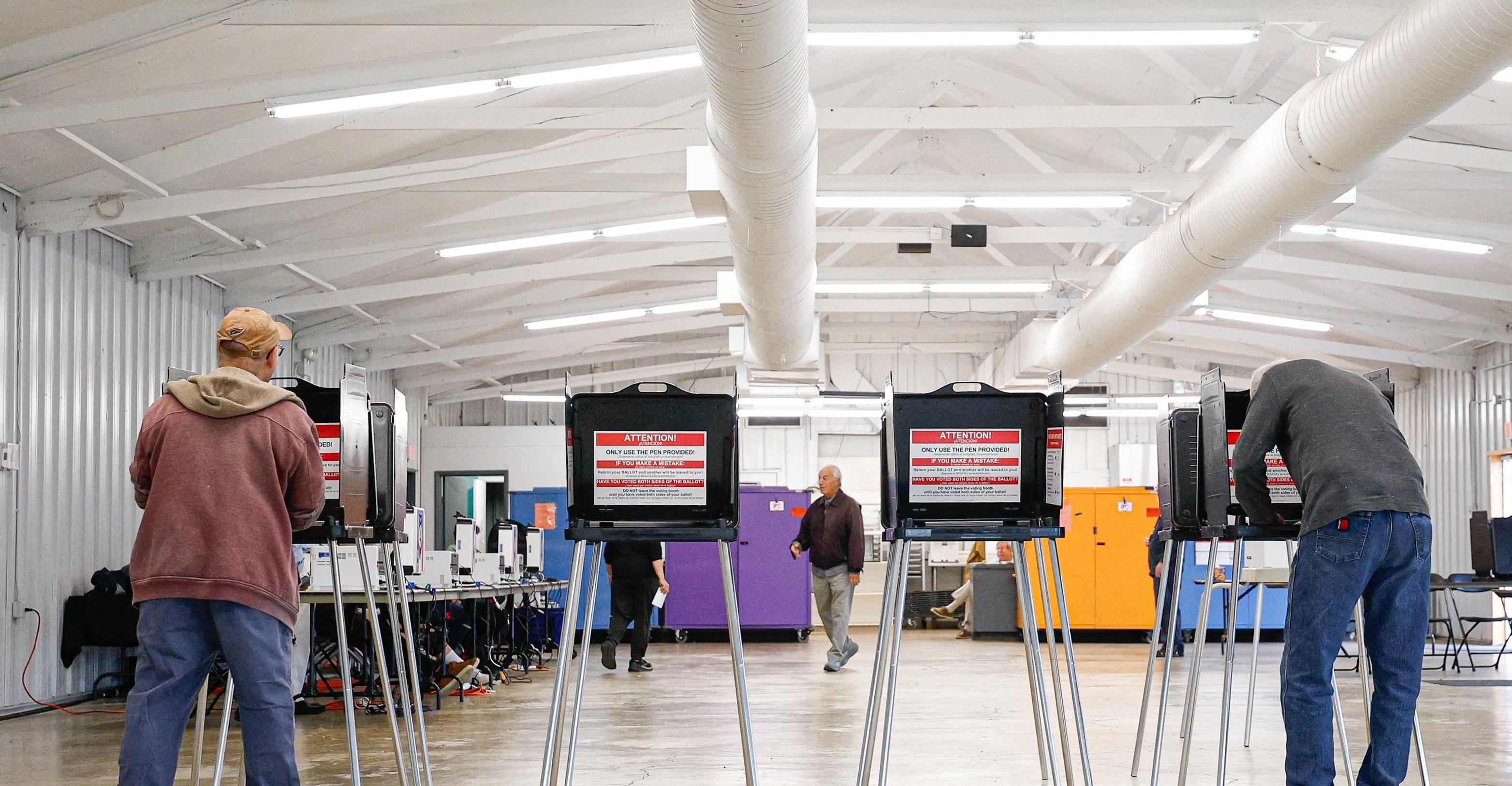
In 2023, when Poland held its next parliamentary elections, a record 74 percent of voters headed to the polls. This time, a new coalition of left and center-left parties took power.
But while Lasota and her friends might’ve partied that night, the victory was less definitive than it first appeared. Dismantling Law and Justice’s legacy — and presenting an alternative vision for Poland — has been both complex and contentious.
For starters, it has proven nearly impossible to unwind authoritarian harm “quickly, effectively, and legally,” the political scientist Ben Stanley told King and Bryan. You can follow the law and respect democratic norms, but that’s a slow process. Alternatively, you can act quickly to undo those changes, but that shows the same undemocratic impulses. In December 2023, for instance, Poland’s liberal government attempted to wrest back control of the state media by abruptly firing staff and temporarily pulling a news channel off-air — dramatic moves that drew international criticism.
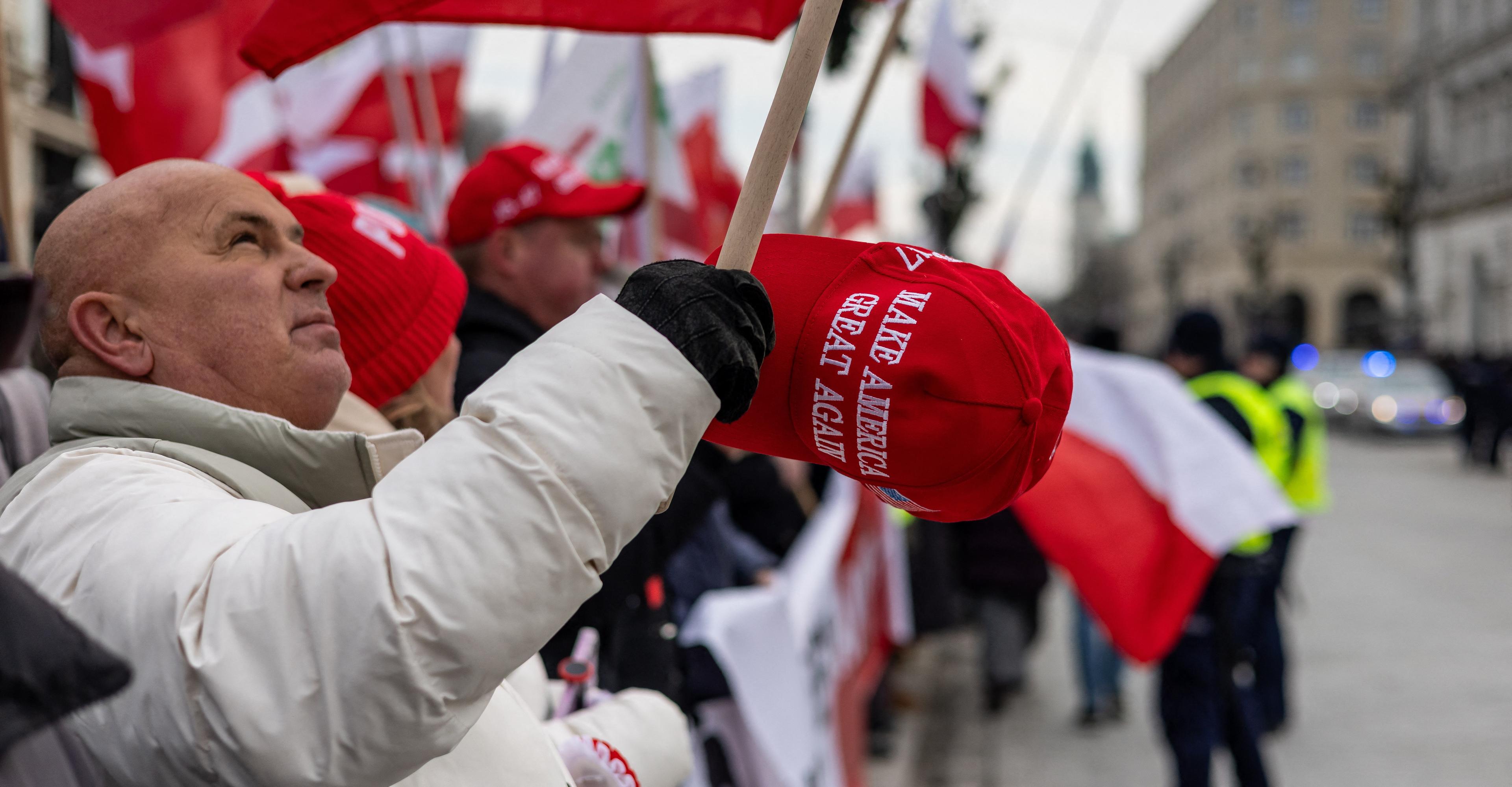
The liberal coalition has also struggled to articulate a political vision besides opposing Law and Justice. Tellingly, Poland still has yet to reverse the strict abortion ban that first sent protesters to the streets six years ago. And last summer, a populist, Karol Nawrocki, narrowly beat the liberal Rafał Trzaskowski to become president.
“Somehow the people who vote for populists do not have that many qualms,” Trzaskowski said in an interview with Vox. “They do not ask themselves so many questions…whereas our side is always prevaricating, asking questions.”
There’s a temptation to find a clean, reassuring moral here — especially for Americans worried about the state of our own democracy. But while the lesson Poland offers is (tentatively) hopeful, it’s also quite messy. Democratic backsliding is not irreversible. Would-be authoritarians can be voted out.
But reversal is only the beginning. Restoring a democracy takes longer.
This story was supported by a grant from Protect Democracy. Vox had full discretion over the content of this reporting.
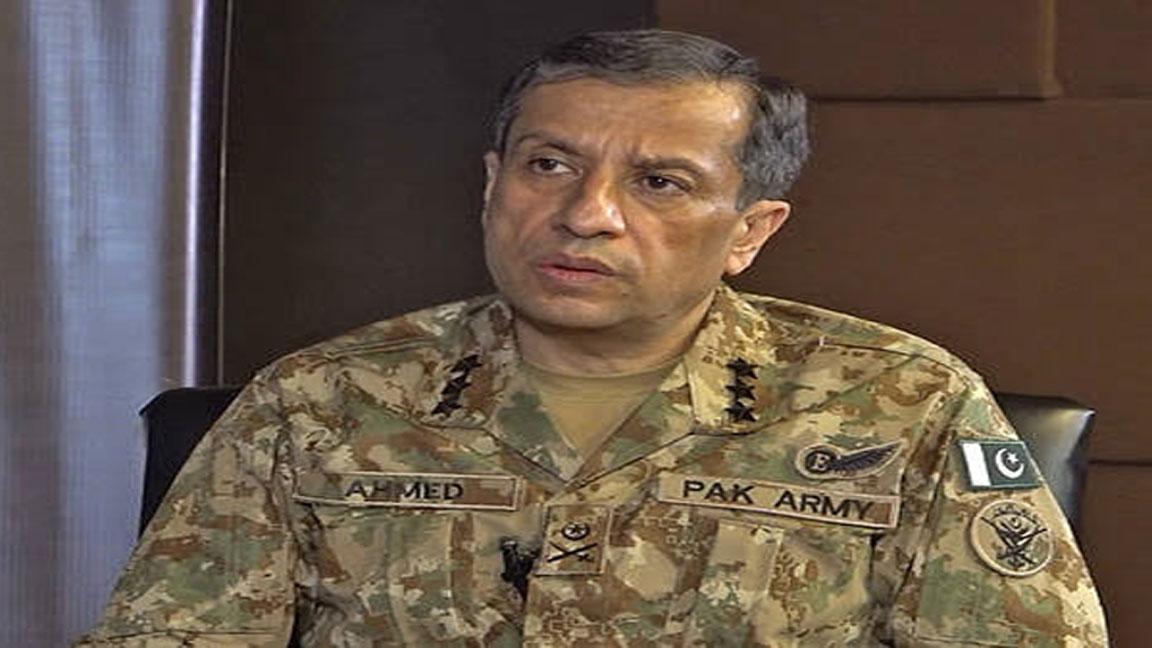
Pakistan committed to peaceful outcome of Iran-US conflict: DG ISPR
- 9 گھنٹے قبل
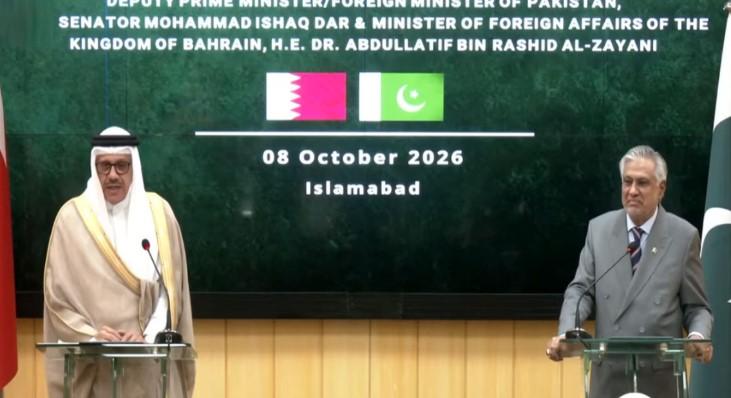
Pakistan, Bahrain to enhance cooperation in diverse sectors
- ایک دن قبل

The rise of gas station opioids
- 18 گھنٹے قبل
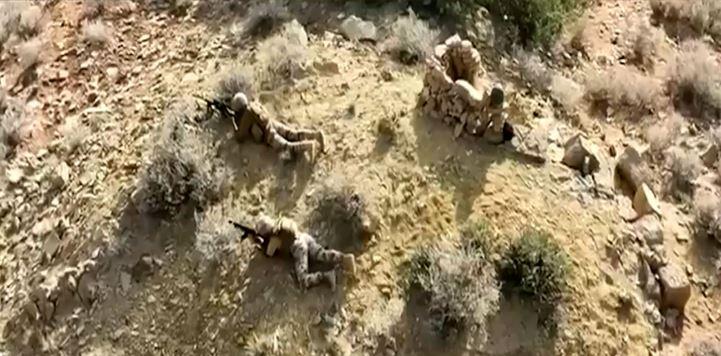
Security forces neutralise seven terrorists in North Waziristan IBO: ISPR
- 10 گھنٹے قبل
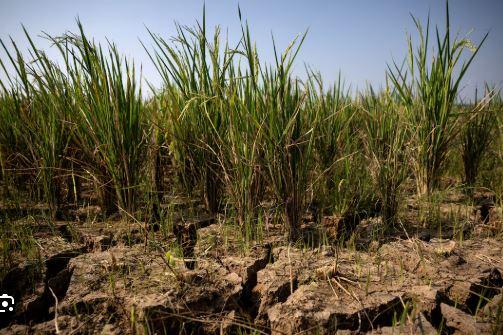
Pakistan on frontlines of climate chaos despite minimal emissions: UN chief
- ایک دن قبل

Redwoods are natural magic kingdoms. Extreme heat is breaking their spell.
- 9 گھنٹے قبل
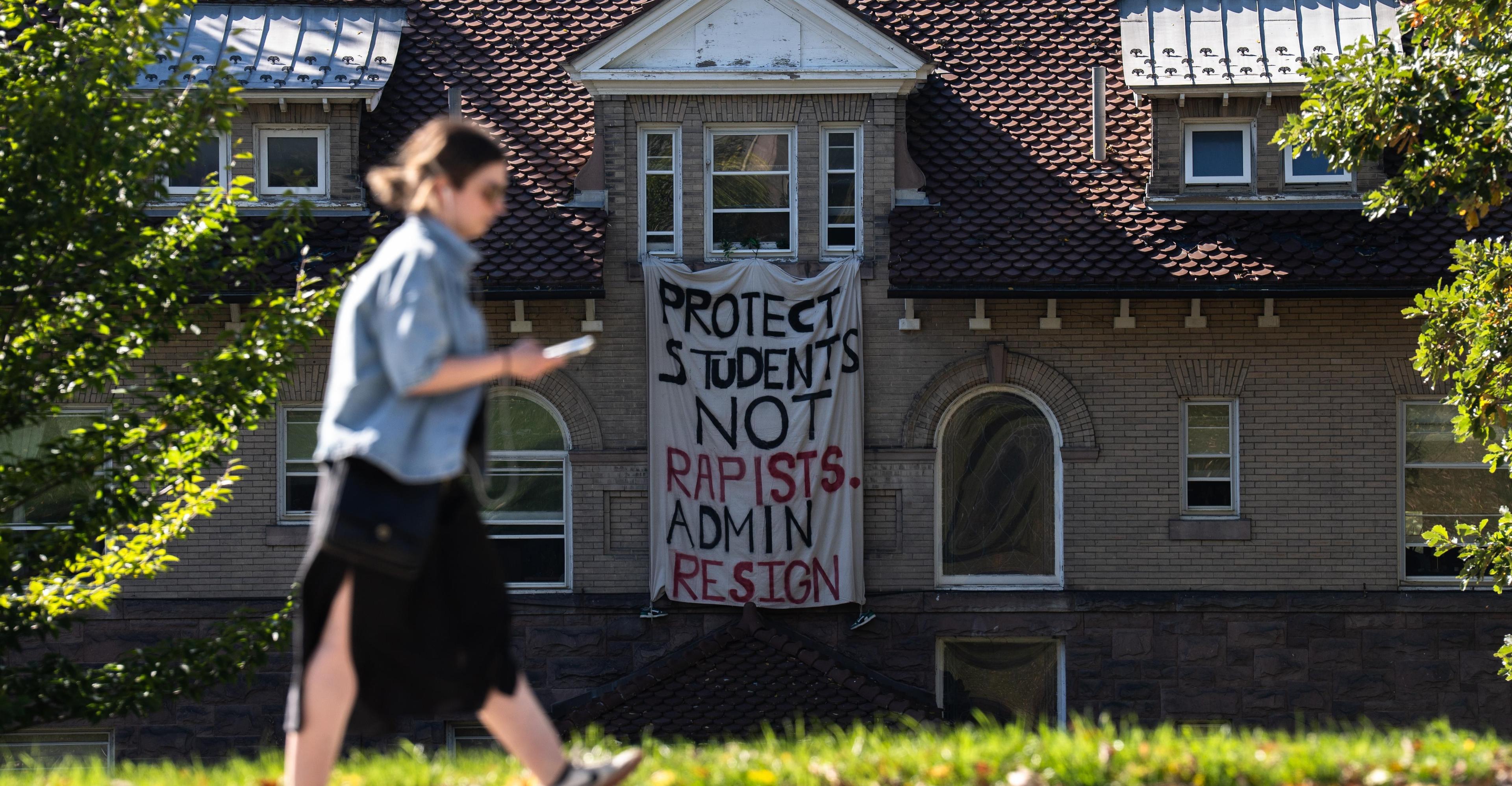
Doxxing Jane Doe
- 11 گھنٹے قبل
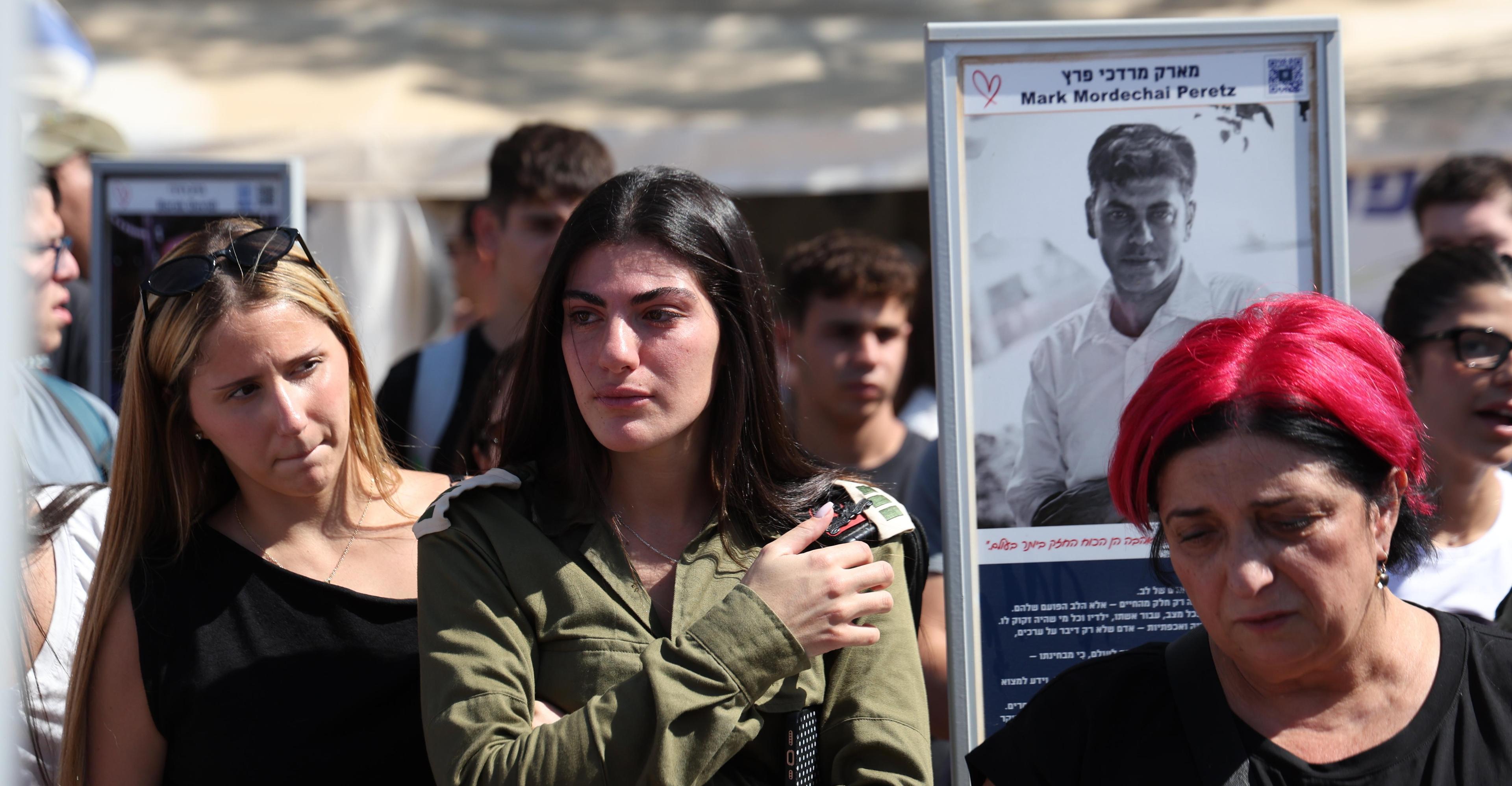
How October 7 changed everything
- 18 گھنٹے قبل

Bahrain praises professionalism of Pakistan Armed Forces
- ایک دن قبل
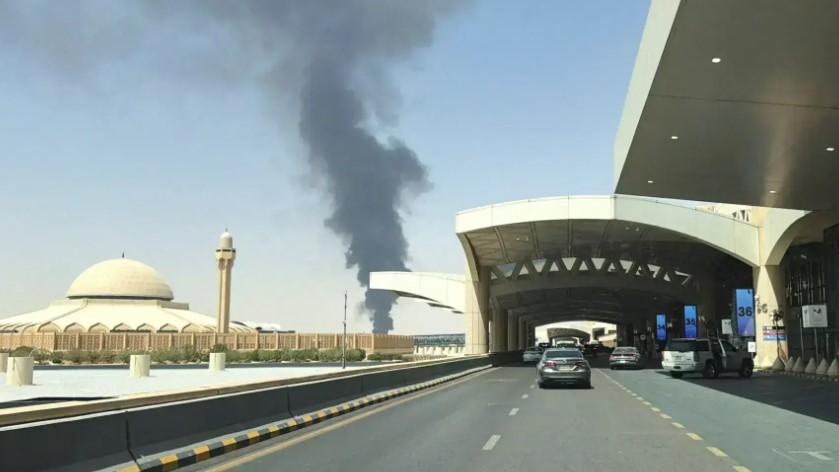
Pilot among three Saudi nationals killed in attacks on Riyadh airport, authorities say
- 4 گھنٹے قبل

The cruelty of a beloved American pastime
- 18 گھنٹے قبل
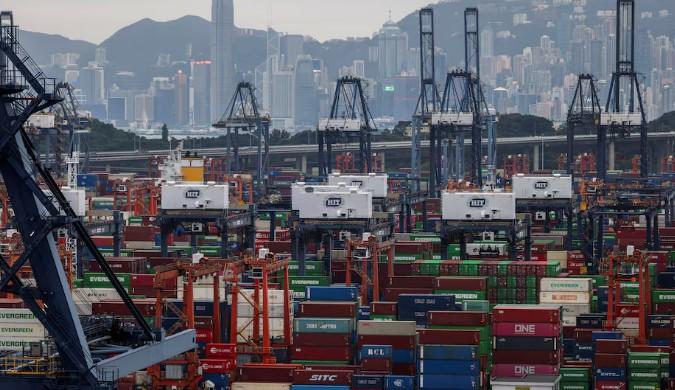
World economic growth to slow to 2.6pc in 2026, UN trade body says
- 6 گھنٹے قبل
You May Like


Trending