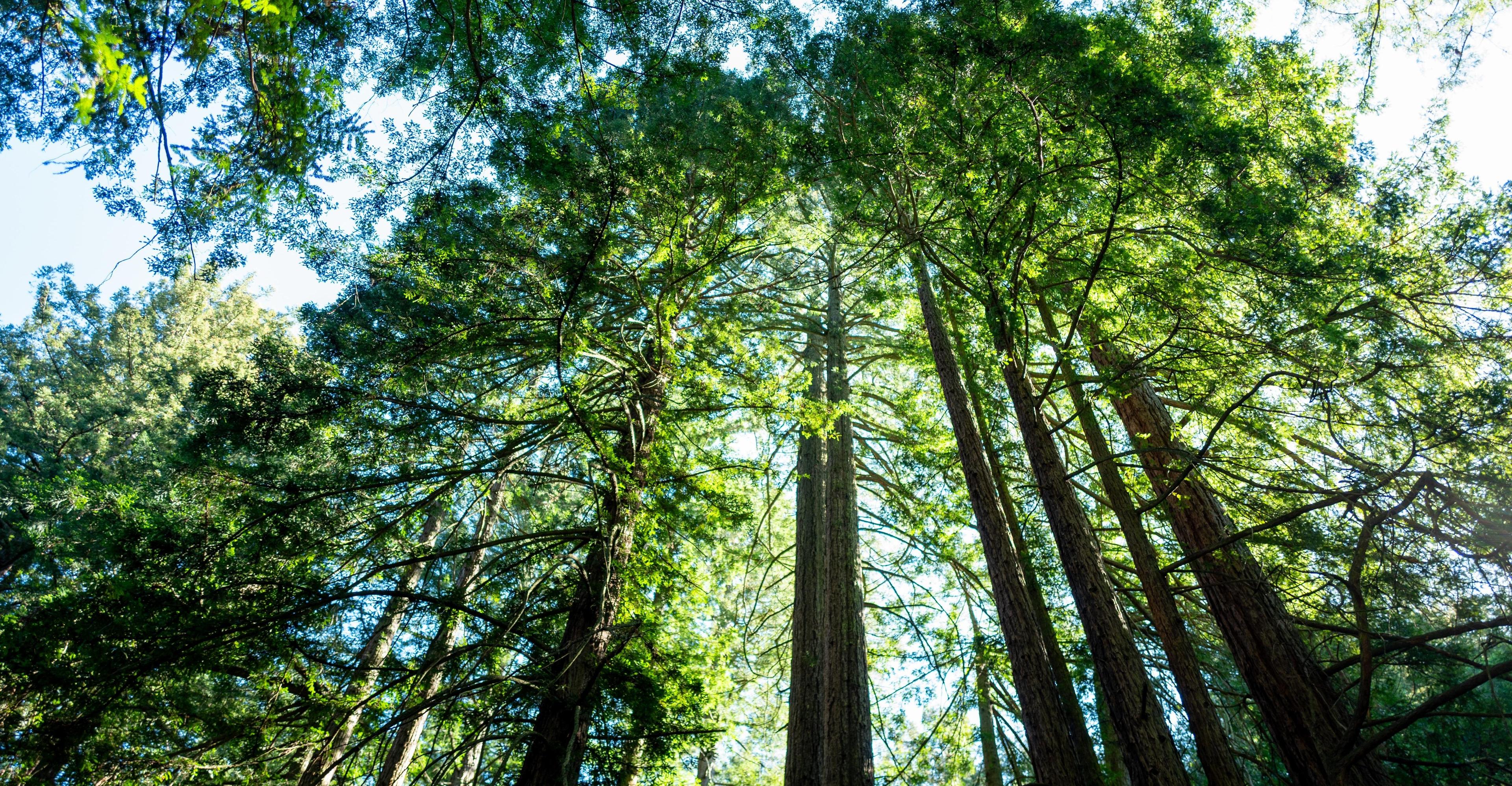
Community-led tree plantation drives and stricter enforcement of zoning regulations could safeguard these spaces

Maryam Rajab
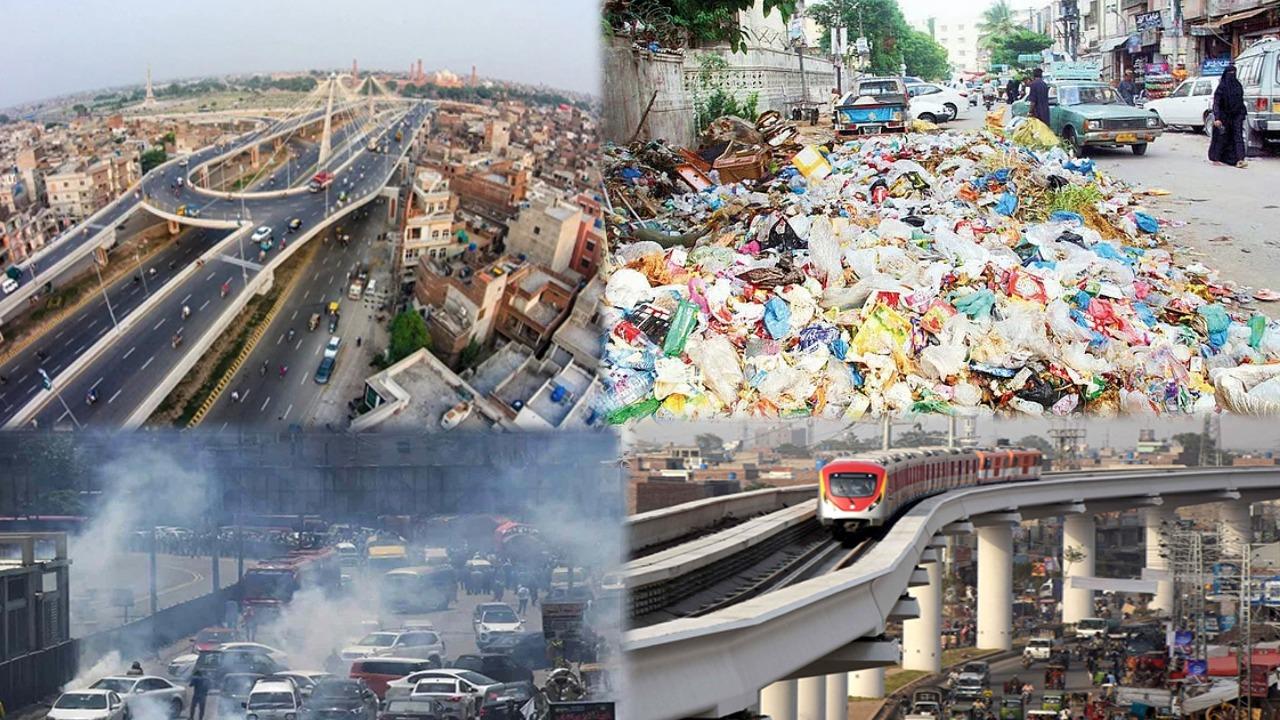
Lahore:Sustainable development is often framed as a national or global agenda, yet its success depends largely on what happens at the neighbourhood level. Gulshan-e-Ravi, a well-established residential locality in Lahore, reflects the everyday environmental and governance challenges confronting urban Pakistan. From waste management and water stress to traffic congestion and shrinking green spaces, the area presents a microcosm of the broader struggle to translate policy commitments into practical outcomes.
Unlike rural regions, where sustainability concerns revolve around agricultural productivity and access to basic infrastructure, urban neighbourhoods such as Gulshan-e-Ravi face pressures linked to overconsumption, density and resource mismanagement. Basic services exist, but their sustainability remains uncertain. The locality’s experience highlights the need for context-specific urban planning aligned with Sustainable Development Goal 11 Sustainable Cities and Communities as well as related goals on water, climate action and responsible consumption.
Solid waste management is among the most visible issues. Regular collection services operate across most blocks, contributing to relatively clean streets. However, the absence of household waste segregation means that recyclable and organic materials are disposed of together. The system largely depends on landfills, reflecting a linear “collect and dump” model rather than a circular one. As consumption increases and population density rises, this approach will become increasingly unsustainable.
Introducing segregation at source, community-level composting and structured recycling partnerships could significantly reduce landfill burden. Equally important is public awareness. Without behavioural change at the household level, even well-designed policies struggle to deliver results.
Water sustainability poses a quieter but more serious threat. Like much of Lahore, Gulshan-e-Ravi relies heavily on groundwater extraction. Rising demand has placed stress on aquifers, while conservation practices remain limited. Water wastage through inefficient household usage, leaking pipes and excessive washing continues largely unchecked. Rainwater harvesting systems are rare, despite their potential to reduce dependence on underground reserves.
Addressing this challenge requires both regulation and awareness. Incentives for installing rainwater harvesting systems, better enforcement of building standards and public campaigns promoting water conservation are essential steps. Without such measures, long-term water security will remain uncertain.
Traffic congestion and air pollution further complicate the sustainability landscape. Increasing private vehicle ownership and inadequate pedestrian infrastructure have made mobility less efficient and more polluting. During peak hours, major connecting roads experience heavy traffic, increasing fuel consumption and exposure to harmful emissions. Footpaths in some areas are damaged or encroached upon, discouraging walking as a practical alternative.
Sustainable mobility solutions at the neighbourhood level including improved pedestrian pathways, cycling lanes and better feeder services could reduce reliance on private vehicles. Encouraging cleaner vehicle technologies and enforcing emission standards would also contribute to improved air quality and public health.
Green spaces, meanwhile, remain critical to urban resilience. Parks and green belts in Gulshan-e-Ravi provide recreational opportunities and help moderate temperatures during intense summer months. However, construction pressures and inconsistent maintenance threaten their effectiveness. As climate change intensifies heatwaves, preserving and expanding green cover becomes an urgent adaptation measure rather than a cosmetic concern.
Community-led tree plantation drives and stricter enforcement of zoning regulations could safeguard these spaces. Active citizen involvement in park maintenance would further strengthen environmental stewardship.
Drainage infrastructure also requires attention. During heavy monsoon rains, blocked drains and inadequate stormwater capacity can cause temporary waterlogging in certain pockets. Improper waste disposal often contributes to clogged systems, illustrating how environmental challenges are interconnected. Proactive maintenance and climate-resilient infrastructure upgrades are necessary to reduce vulnerability.
Beyond environmental concerns, sustainability in Gulshan-e-Ravi is closely tied to governance and inclusion. Rising utility costs and environmental degradation disproportionately affect lower-income households and tenants. Access to clean public spaces, safe streets and reliable services is a matter of social equity as much as environmental management.
Strengthening local governance mechanisms is therefore essential. Transparent service delivery systems, responsive complaint platforms and community consultation forums can enhance accountability. Effective coordination between municipal authorities and residents is key to bridging the gap between policy and practice.
Ultimately, Gulshan-e-Ravi demonstrates that sustainable urban development is not an abstract objective but a daily reality shaped by collective choices. Clean streets, reliable water supply, breathable air and accessible green spaces define quality of life. Achieving these outcomes requires integrated planning, consistent enforcement and active citizen participation.
Pakistan’s commitment to the Sustainable Development Goals provides a guiding framework, but progress will depend on neighbourhood-level implementation. If local authorities and residents collaborate to address waste, water, mobility and green space management, Gulshan-e-Ravi can move toward becoming a more resilient and environmentally responsible community.
The challenges are significant, yet the potential for transformation is equally strong. Sustainable cities are built one neighbourhood at a time and Gulshan-e-Ravi stands at a critical crossroads in that journey.
-- The writer is a BS Mass Communication student at the University of the Punjab
.webp)

Xbox is launching a new film and TV division
- 2 days ago
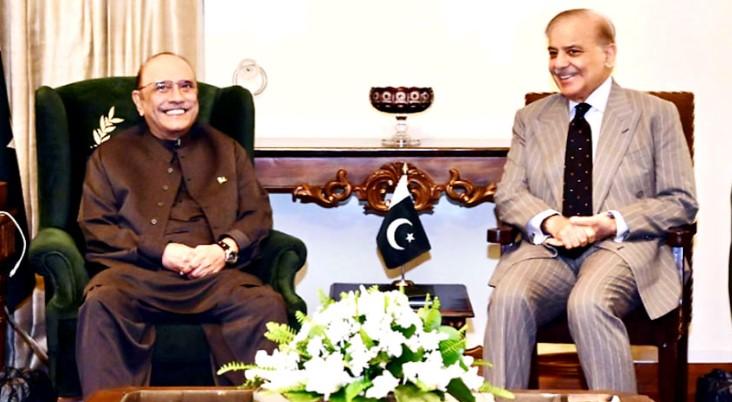
President Zardari and PM Shehbaz 'agree' on imposition of emergency in KP: sources
- 2 days ago

Anthropic bans ‘abusive or cruel behavior’ towards Claude
- 2 days ago

Disney Plus will stream Super Bowl LXI
- a day ago
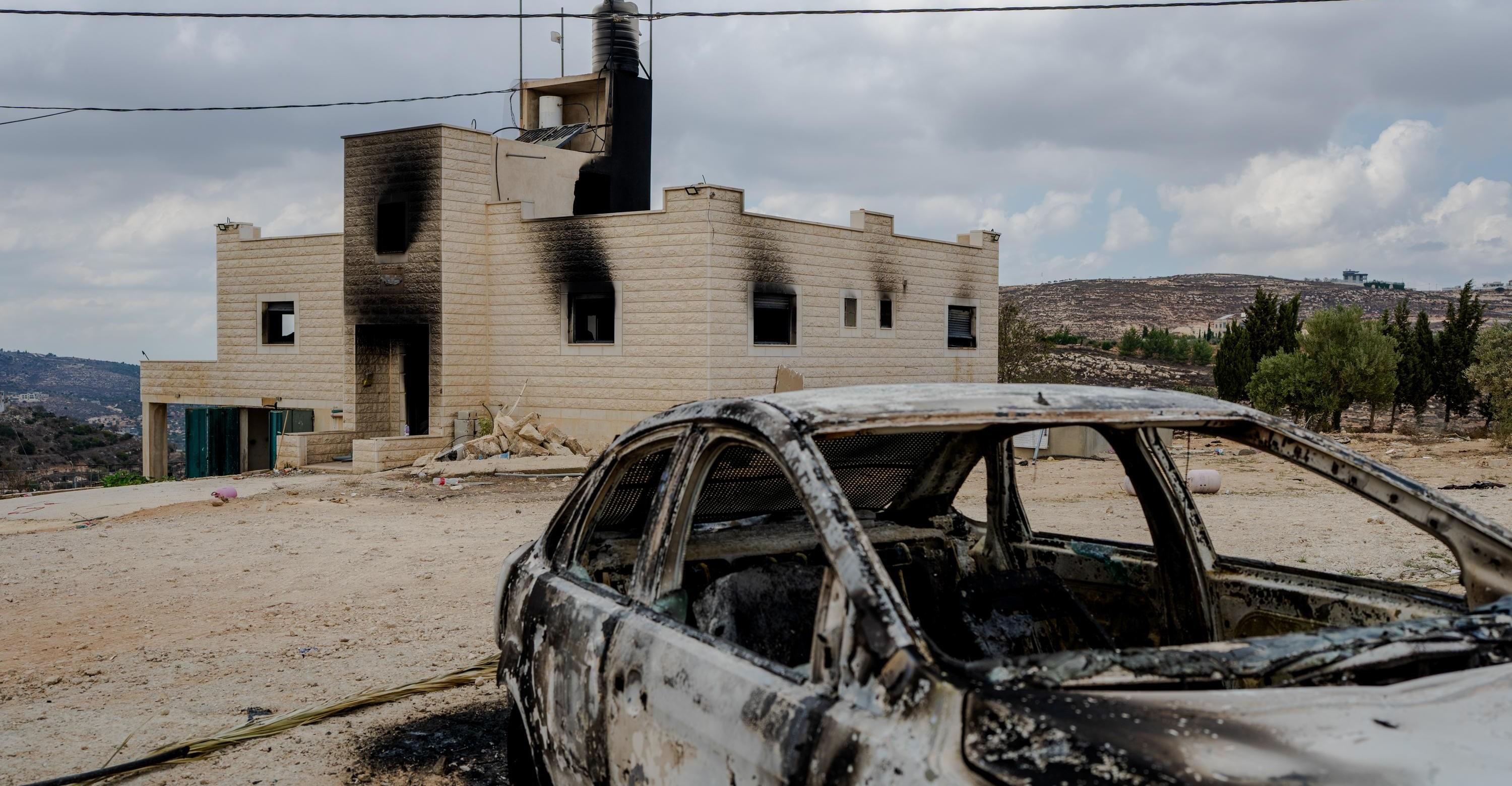
Who are the violent Israeli settlers in the West Bank?
- a day ago

PM Shehbaz calls for comprehensive strategy to combat diabetes
- 2 days ago

What if making your neighborhood safer means breaking the rules?
- 2 days ago
UPDATE: DITKA DEAD AT 86...
- a day ago

Is this the cure for Alzheimer’s?
- 2 days ago
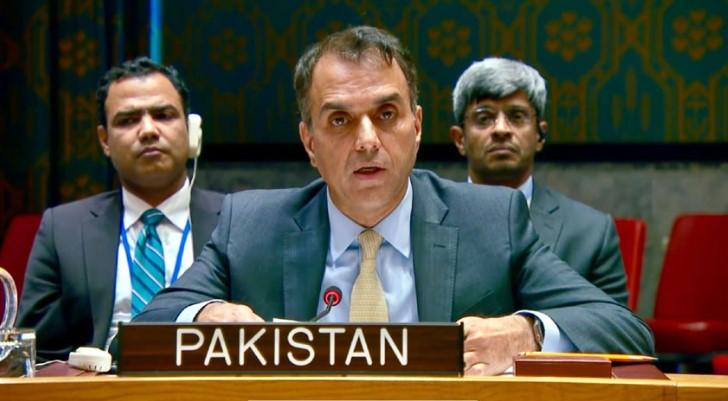
Pakistan calls for immediate de-escalation of Ukraine conflict
- 2 days ago
Saudi-led coalition says destroyed more than 100 Houthi targets
- 2 days ago
No one wants to be “Data Center Dave”
- 2 days ago