Since the war with Iran began, the White House has been posting videos featuring the US military bombing targets in Iran, interspersed with clips from video games, sports highlights, and Hollywood movies. The White House says the videos are meant to highlight…

Published 3 months ago on Apr 1st 2026, 7:00 am
By Web Desk

Since the war with Iran began, the White House has been posting videos featuring the US military bombing targets in Iran, interspersed with clips from video games, sports highlights, and Hollywood movies. The White House says the videos are meant to highlight the success of the US military.
Some of the captions read like this: “JUSTICE THE AMERICAN WAY.” Others list goals for “Operation Epic Fury,” including: “Destroy Iran’s missile arsenal,” “Destroy their navy,” and “Ensure they NEVER get a nuclear weapon.” And ending with the words, “Locked in.”
Propaganda has always been a part of war. But it hasn’t always been this unserious.
To better understand how propaganda has been used in the past — and how the White House is using it now — we spoke with Nick Cull, a professor at the USC Annenberg School for Communication and Journalism who specializes in the history of propaganda.
Below is an excerpt from Cull’s conversation with Today, Explained co-host Noel King, edited for length and clarity. You can hear the full episode wherever you get podcasts — including Apple Podcasts, Pandora, and Spotify.
In a time of war, what’s the objective of propaganda?
The first is to rally your own population. The second is to persuade allies that you’re doing the right thing: to make friends friendlier, to make allies more supportive, and maybe even create a few new allies. And the third is to demoralize your enemy.
Some people would call that psychological warfare: to break your enemy’s will to resist, to protect images of your strength that are so overwhelming that the enemy hastens to surrender or to compromise. And that’s also a very old element in communication in wartime.
What are some past examples of wartime propaganda in the United States?
President Wilson in the First World War spoke about a war to end all wars, a war to make the world safe for democracy. He had his 14 points for how the diplomatic scene was going to be reformed. On the eve of World War II, President Roosevelt spoke about the four freedoms and set out a whole vision for a new international order. President H.W. Bush talked about a war to protect a new order on the eve of the war with Iraq.
There’s always been a chaotic, violent kind of message around American war, and sometimes this occurs in popular culture. One example would be the song “Barbara Ann,” which was made famous by the Beach Boys. It was recorded in a parody version by a group called Vince Vance & the Valiants in 1980 and they did a version called Bomb Iran. It had lines like…
“Went to a mosque, gonna throw some rocks, Tell the Ayatollah, “Gonna put you in a box.”
President Trump brought the song back last year and used it as the soundtrack in a White House video celebrating the bombing of the Iranian nuclear sites.
Is the propaganda different this time?
What we’re seeing from the Trump White House are videos that integrate footage from video games with clips from Hollywood movies and with great declarations of kaboom. There’s even one with SpongeBob.
And all of this plays into an idea that war can be communicated through memes and clips from games. It’s a meme-ification of war, a gamification of war, an appeal to war-like images that are bizarrely taken out of context.
Who are these videos for and why would the White House not aim at the broadest part of the population?
I see these videos as having been created by young men, for young men. They’re full of references to the culture of young men, including game culture, including war-oriented video games and references that other people just wouldn’t get.
They’re articulating a visual and cultural language specific to a generation. It has a propaganda purpose, but it’s not a purpose that is focused on a wider section of the American public. And I think that the president has no interest in people who weren’t planning to vote for him.
Who benefits the most from these videos?
China, because it makes the Chinese look like the adults in the diplomatic room just by doing nothing. China will have tremendous appeal to the countries of the Global South, even to former partners of the United States in Europe who are appalled by this kind of unpredictable messaging and unpredictable behavior that goes along with it.
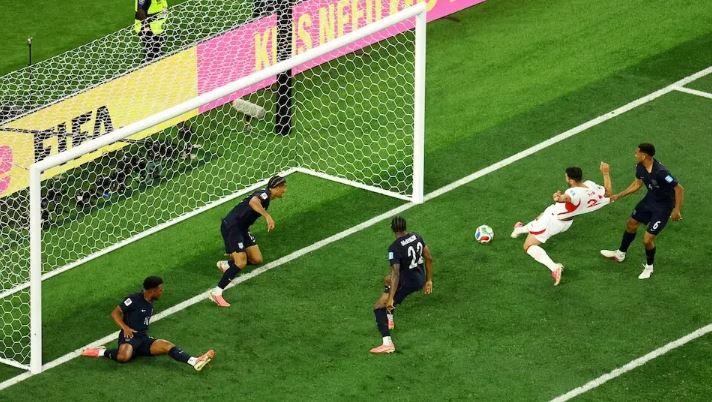
Turkiye beat US 3-2 with last-gasp winner in dead rubber in LA
- 9 hours ago

What happens when it breaks 100 degrees in Europe
- 10 hours ago

Bullet-hit four bodies found inside ambulance in Bannu: police
- 6 hours ago
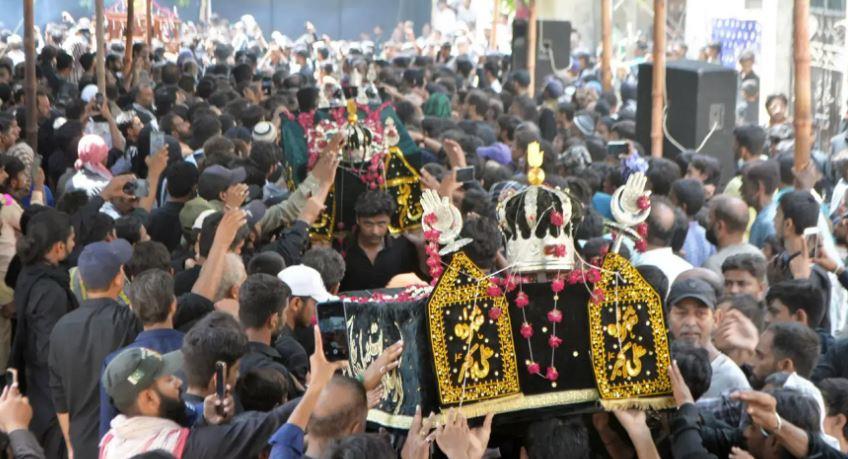
Ashura being observed nationwide with processions honouring sacrifice of Imam Hussain (RA) and his loyal companions
- 8 hours ago
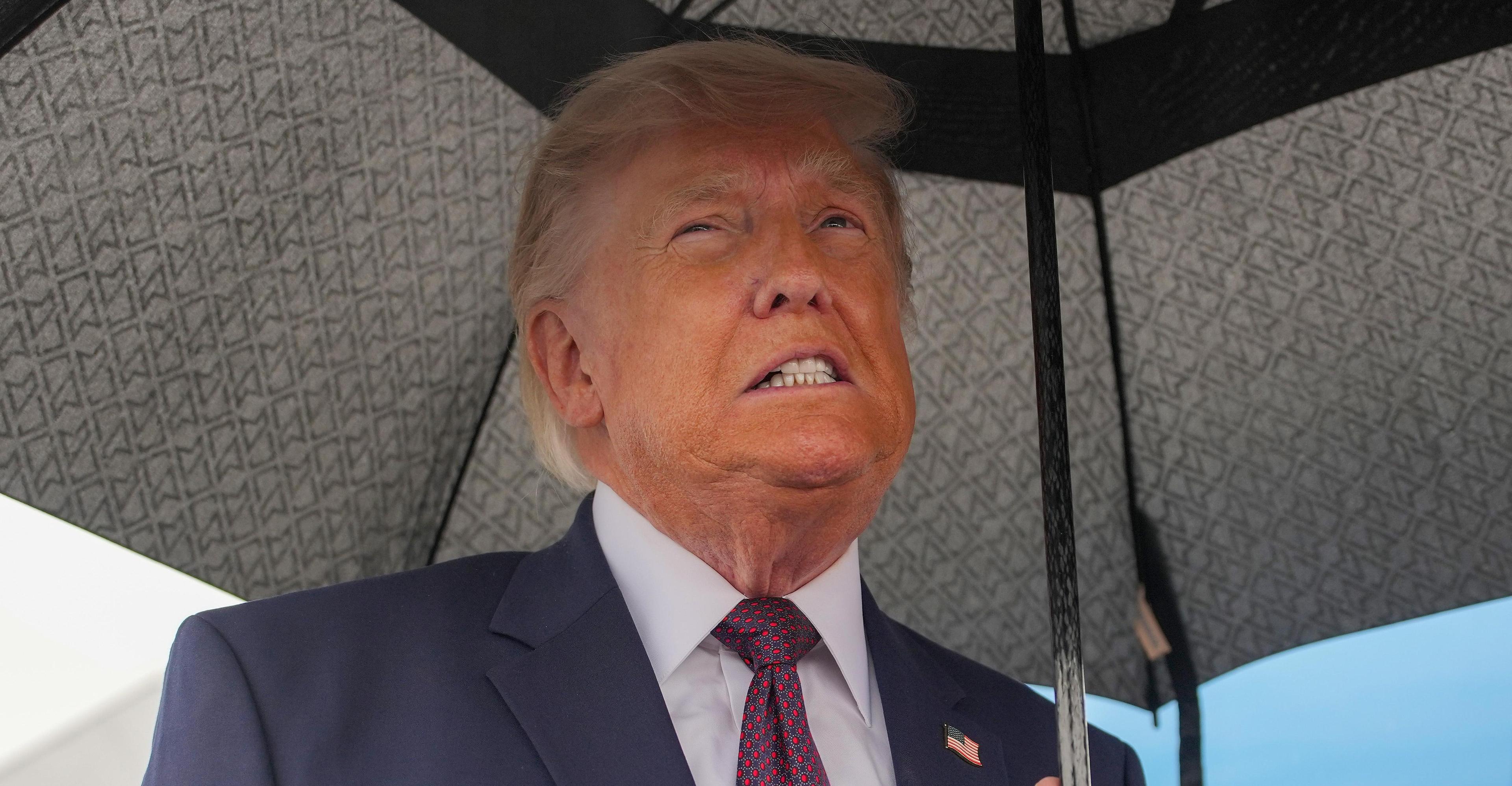
Why Trump is blocking a big housing bill
- 19 hours ago
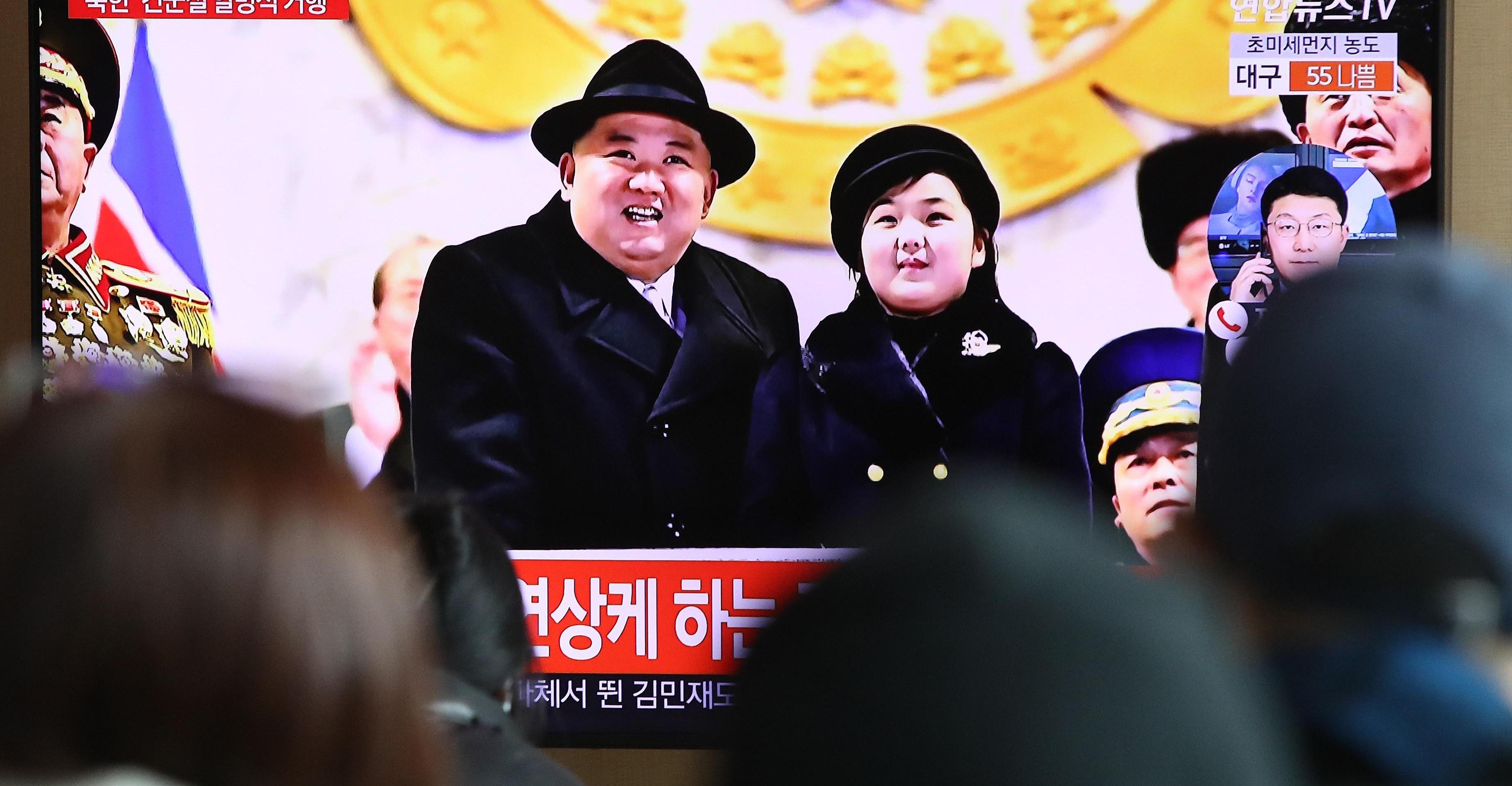
Will this 13-year-old girl be the next dictator of North Korea?
- 19 hours ago

Small aircraft crashes into Beijing's tallest building, eyewitnesses say
- 4 hours ago
Why urban Democrats love socialists now
- 19 hours ago

The Supreme Court’s campaign to expand religious liberty now has a glaring exception
- 19 hours ago

Magnitude 6.6 earthquake jolts southern Philippines, no tsunami alert raised
- 7 hours ago

The Supreme Court is about to decide if children still have free speech rights
- 19 hours ago
Ann Blyth, film star of 1940s-50s famed for 'Mildred Pierce', dies at 98
- 9 hours ago
You May Like
Trending