
Since it first began in 1981, the HIV epidemic has killed more than 44 million people. For a generation, a diagnosis was essentially a death sentence, and for much of the world it remains a daily threat, with some 1.3 million people newly infected in 2024 alo…

Published 7 months ago on Apr 2nd 2026, 7:00 am
By Web Desk

Since it first began in 1981, the HIV epidemic has killed more than 44 million people. For a generation, a diagnosis was essentially a death sentence, and for much of the world it remains a daily threat, with some 1.3 million people newly infected in 2024 alone.
But something remarkable has happened. Deaths from HIV-caused AIDS have fallen 70 percent since their peak. Around 30 million people are on antiretroviral treatment, drugs that turned that death sentence into a manageable condition. And we’re now on the cusp of breakthroughs that would have seemed like fantasy a decade ago: long-acting drugs that can prevent infection with a single injection every six months, and even the real possibility of a vaccine.
For the first time, the end of HIV is a plausible goal. Yet this is also the moment when the global funding and political commitment that made this progress possible are being pulled back. Health programs that have saved millions of lives face deep cuts, both abroad and at home.
Over the next several months, Future Perfect will be exploring the fight against HIV, here in the US and overseas, from the political and the pharmaceutical to the personal and the painful. There’s never been a more important moment for this coverage, because the overriding question in front of us is no longer whether we can end HIV. We know we can. It’s whether we will.
This series was sponsored by Gilead. Vox had full editorial discretion over the content of this reporting.

Buying Apple’s wall-mounted HomeView? The mount costs extra
- a day ago

Character.AI files for bankruptcy
- 2 days ago
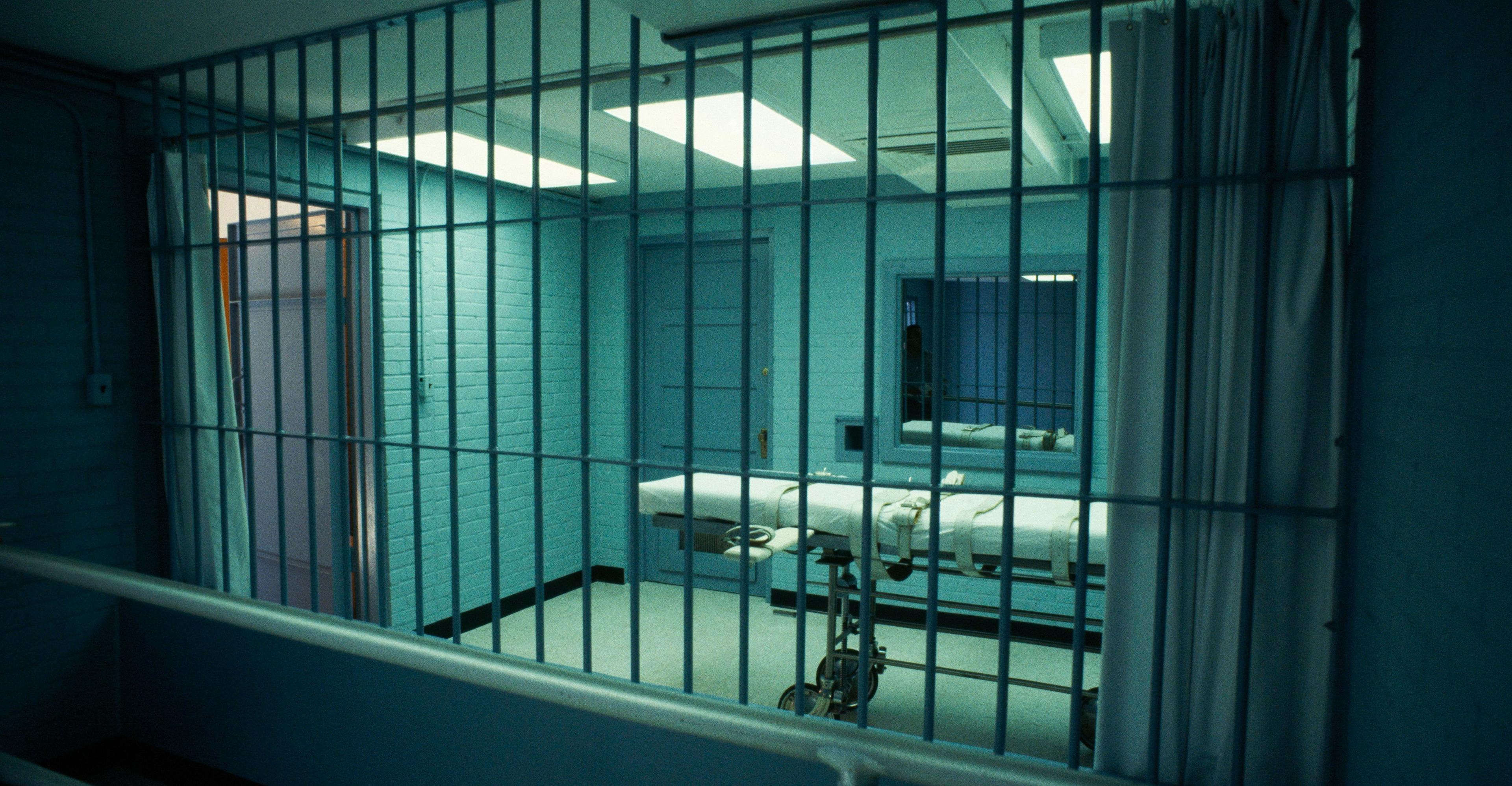
Florida’s uniquely horrifying death penalty system
- 2 days ago

Hands-on with the Apple Home Collection
- a day ago
Cold weather and high prices could flip the Senate
- 2 days ago
Will November stop Trump’s agenda?
- 2 days ago

Trump’s revenge campaign comes for Ilhan Omar
- 2 days ago

FIA offloads 2 passengers at Lahore airport over fake documents, tampered study visa
- 4 hours ago

Jodar apologises for swearing at ball kid in Shanghai
- 2 days ago

The Ocarina of Time remake feels remarkably modern — and surprisingly terrifying
- 2 days ago

Here are all the new HomePod Mini 2 colors
- 2 days ago

West Bank settlers brutally attack a Washington Post journalist
- 13 hours ago
You May Like


Trending