Technology
- Home
- Technology
- News
Tesla Robotaxis go to Florida
It must be earnings day, because Tesla is making a Robotaxi announcement. The company said in a post on X that it was launching its Robotaxi service in Orlando and Tampa, attaching a pair of maps that show each city's service area. No word on fleet size or wh…

Published 3 months ago on Jul 25th 2026, 5:00 am
By Web Desk
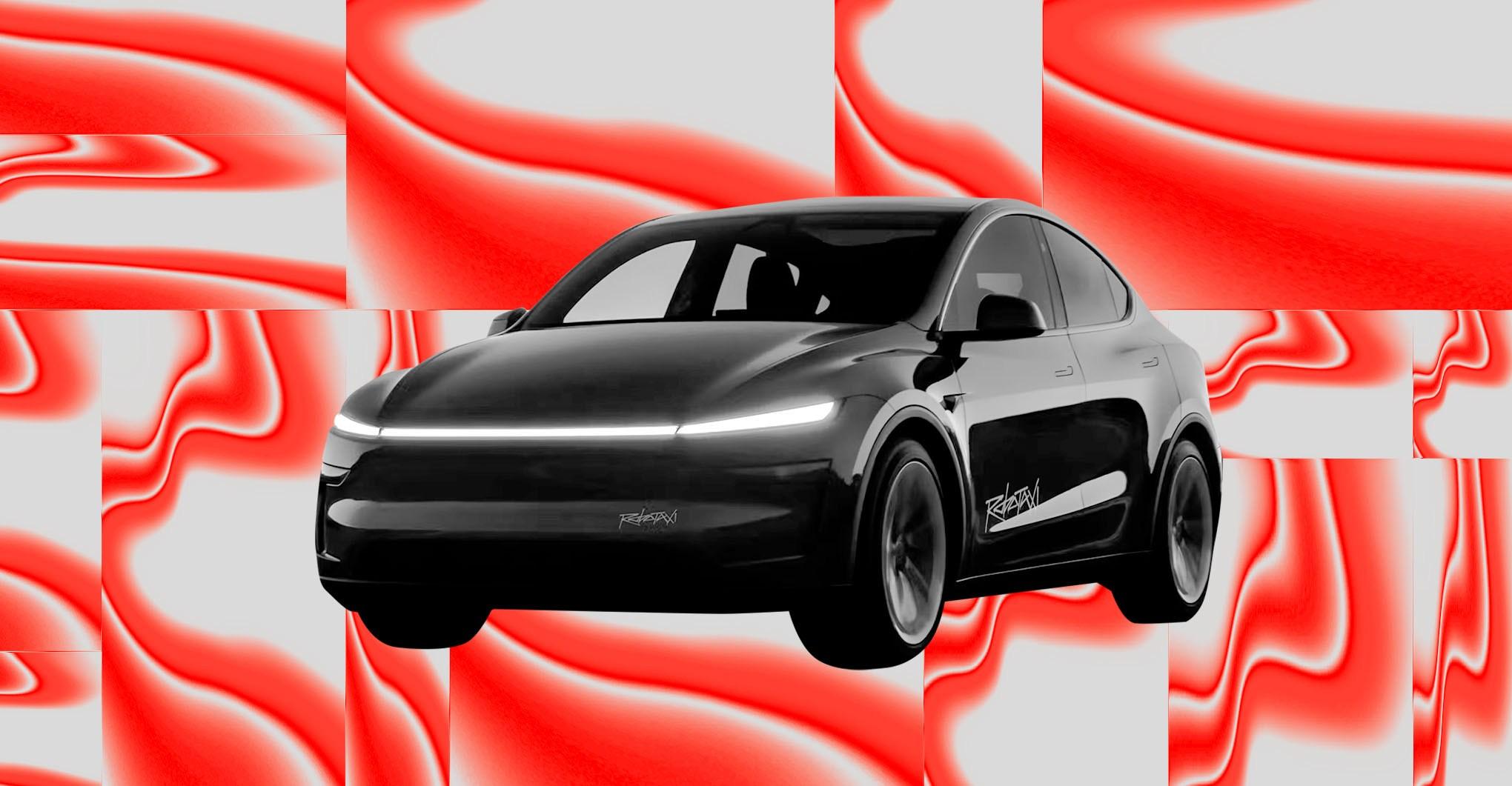
It must be earnings day, because Tesla is making a Robotaxi announcement.
The company said in a post on X that it was launching its Robotaxi service in Orlando and Tampa, attaching a pair of maps that show each city’s service area. No word on fleet size or whether interested customers would be able to hail a vehicle right away.
The timing of the post is noteworthy, considering later today Tesla CEO Elon Musk is expected to provide an update on the progress of the company’s Robotaxi service during its second quarter earnings call. Adding two new cities to the docket probably sounds like progress to some investors.
[Media: https://twitter.com/robotaxi/status/2079551968725303500]
Of course, that progress is entirely subjective. The company’s all-important Robotaxi service is dramatically smaller than Elon Musk predicted. In 2024, he said the company’s autonomous ridehail vehicles would be available to half the US population by the end of 2025. Several months later, Musk said Tesla would have “500 or more” vehicles in the Austin area alone by the end of 2025.
The number of vehicles in each city has also fluctuated dramatically: back in May, Tesla had five unsupervised robotaxis in Dallas, six in Houston, and 29 in Austin. As of today, there are only 17 unsupervised vehicles in Austin, four in Dallas, and zero in Houston, according to the Robotaxi Tracker. By comparison, Waymo is estimated to have over 3,500 fully driverless vehicles in operation across over 10 cities.
Like Waymo, Tesla typically introduces robotaxis to a new city with a safety driver behind the wheel. Unlike Waymo, sometimes Tesla moves that person over to the passenger seat with access to a kill switch should anything go wrong. The company has been inconsistent in how it rolls out its robotaxis to new markets. The numbers go up and down, with zero explanation from the company as to why.
According to several reports, wait times for Tesla’s robotaxis can be long as a result of limited vehicle supply. Often the vehicles pick up and drop off in the wrong location. Unsupervised vehicles are often remotely operated. This week, Tesla reported that an unsupervised robotaxi crashed into a tree stump while being remotely operated. Musk has predicted the service will be profitable in 2027.
By adding new cities, Tesla is clearly trying to sell investors on the idea that its robotaxi project is growing. But the fluctuating fleet size, inconsistency in supervised vs unsupervised vehicles, and long wait times tell a very different story.

Samsung’s latest 55-inch Frame TV is down to its lowest price yet
- 11 hours ago

OpenAI now trains its frontier AI models with no internet access
- 11 hours ago

Agha back but no Rizwan for Pakistan following England debacle
- a day ago
Trump says Sundar Pichai talked him out of renaming the Atlantic Ocean
- 11 hours ago

Should you let a chatbot manage your money?
- 18 hours ago

Trump is trying to overturn an election that hasn’t happened yet
- 18 hours ago

Sure, let’s smoosh SpaceX and Tesla together, who cares
- 11 hours ago
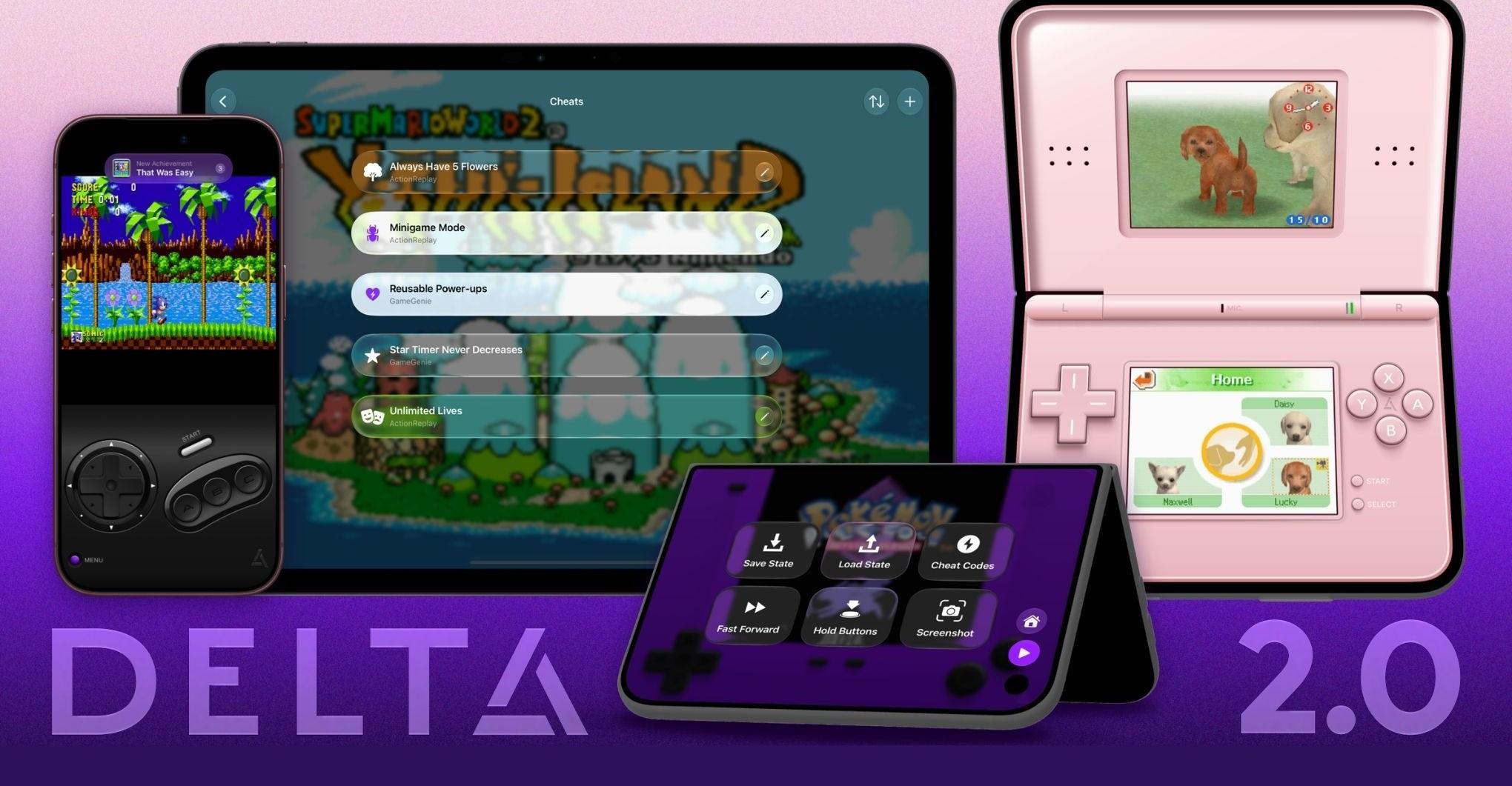
Delta can turn the iPhone Duo into your favorite folding handheld
- 11 hours ago

PHP: The three little letters wreaking havoc across the web
- 11 hours ago
Microsoft shuts down its beloved maker space
- 11 hours ago
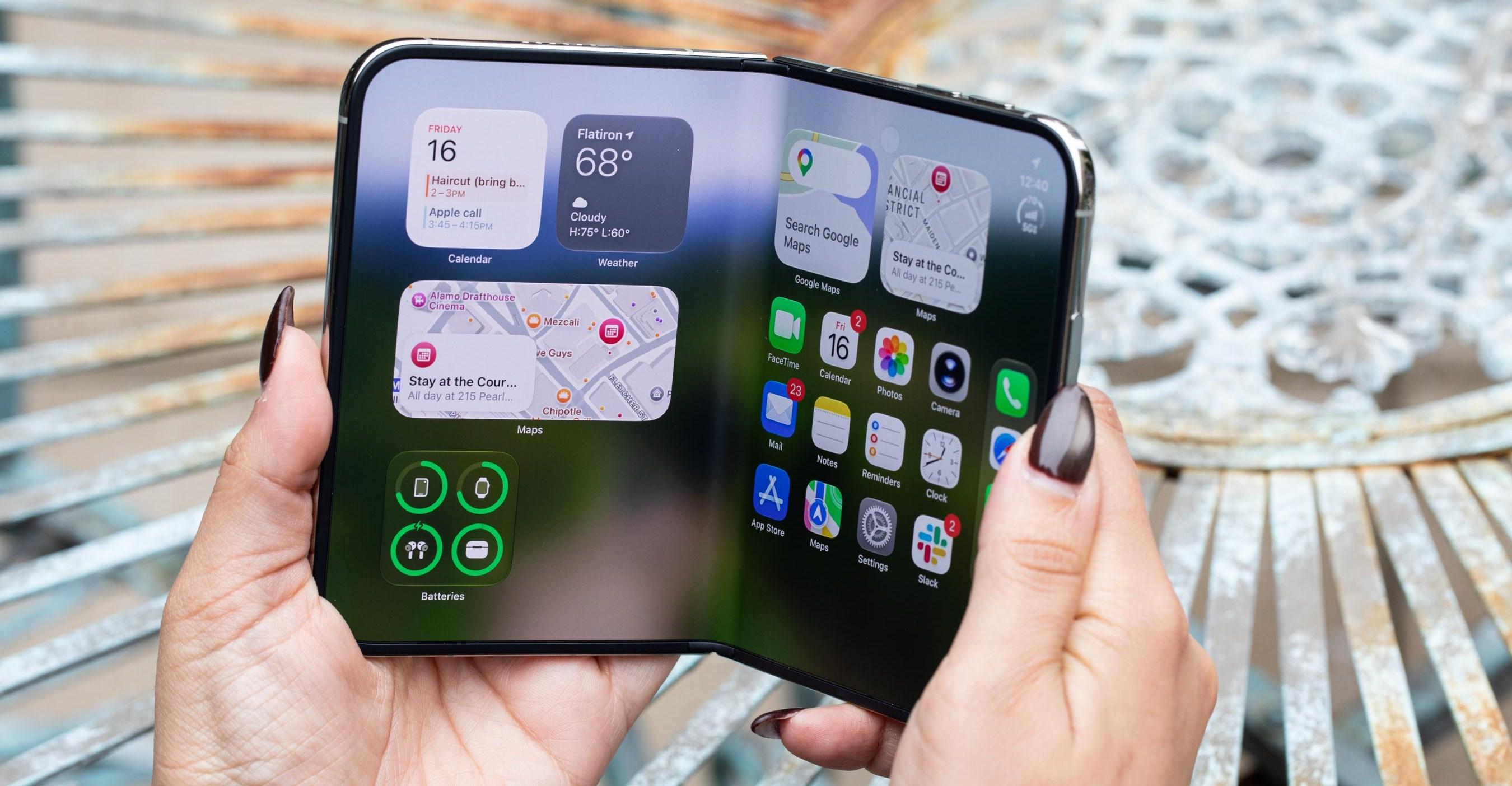
Apple will label apps that are ‘Made for iPhone Duo’
- 11 hours ago
Jack Dorsey’s Block made an AI model that talks to you like an awkward new friend
- 11 hours ago
You May Like
Trending