Technology
- Home
- Technology
- News
Substack adds an AI detector to help spot blogs written by no one
Substack will now help users determine whether what they're reading may have been written by AI. A new tool coming to the platform can scan posts, notes, replies, and comments to provide an estimate of how much text could be AI-generated, according to a blog …

Published 3 months ago on Jul 25th 2026, 5:00 am
By Web Desk
Substack will now help users determine whether what they’re reading may have been written by AI. A new tool coming to the platform can scan posts, notes, replies, and comments to provide an estimate of how much text could be AI-generated or written with AI assistance, according to a blog post published on Tuesday.
The tool is powered by an AI detection company called Pangram and is rolling out across the web and the iOS app, with an Android launch coming “soon.” Readers can analyze content longer than 100 words by choosing the “Scan for AI text” option from the three-dot menu in the top-right corner of a post.
[Image: https://platform.theverge.com/wp-content/uploads/sites/2/2026/07/substack-pangram.jpg?quality=90&strip=all]
Substack cofounder and CEO Chris Best says the Pangram integration is meant to increase transparency on the platform as AI becomes more prevalent on social media. “The core problem is not people using AI, or the quality of its output,” Best writes. “The problem is when there is a mismatch between a reader’s expectation and reality, especially when they unwittingly invest their attention in something with no human thought on the other end. That’s Claudefishing.”
In line with this change, Substack will also allow creators to explain their writing process to readers with a new “How I make this” statement. Writers can scan their drafts with Pangram, too, and will have an option to report inaccurate results.
Best notes that “Pangram can only detect whether AI was used to make the text, not whether great human care went into creating it, nor whether AI tools were used as a source.” But the goal, according to Best, is to make it easier for someone to choose to invest their time reading a blog post. “When readers have to wonder if what they’re reading is real, it undermines trust in authorship and threatens the livelihood of writers — including those who use AI tools thoughtfully to produce work they believe in,” Best writes. “Platforms that reward fakeness will create a race to the bottom.”
Apple will label apps that are ‘Made for iPhone Duo’
- 10 hours ago
OpenAI now trains its frontier AI models with no internet access
- 10 hours ago
Sure, let’s smoosh SpaceX and Tesla together, who cares
- 10 hours ago
PHP: The three little letters wreaking havoc across the web
- 10 hours ago

Agha back but no Rizwan for Pakistan following England debacle
- a day ago

Samsung’s latest 55-inch Frame TV is down to its lowest price yet
- 10 hours ago
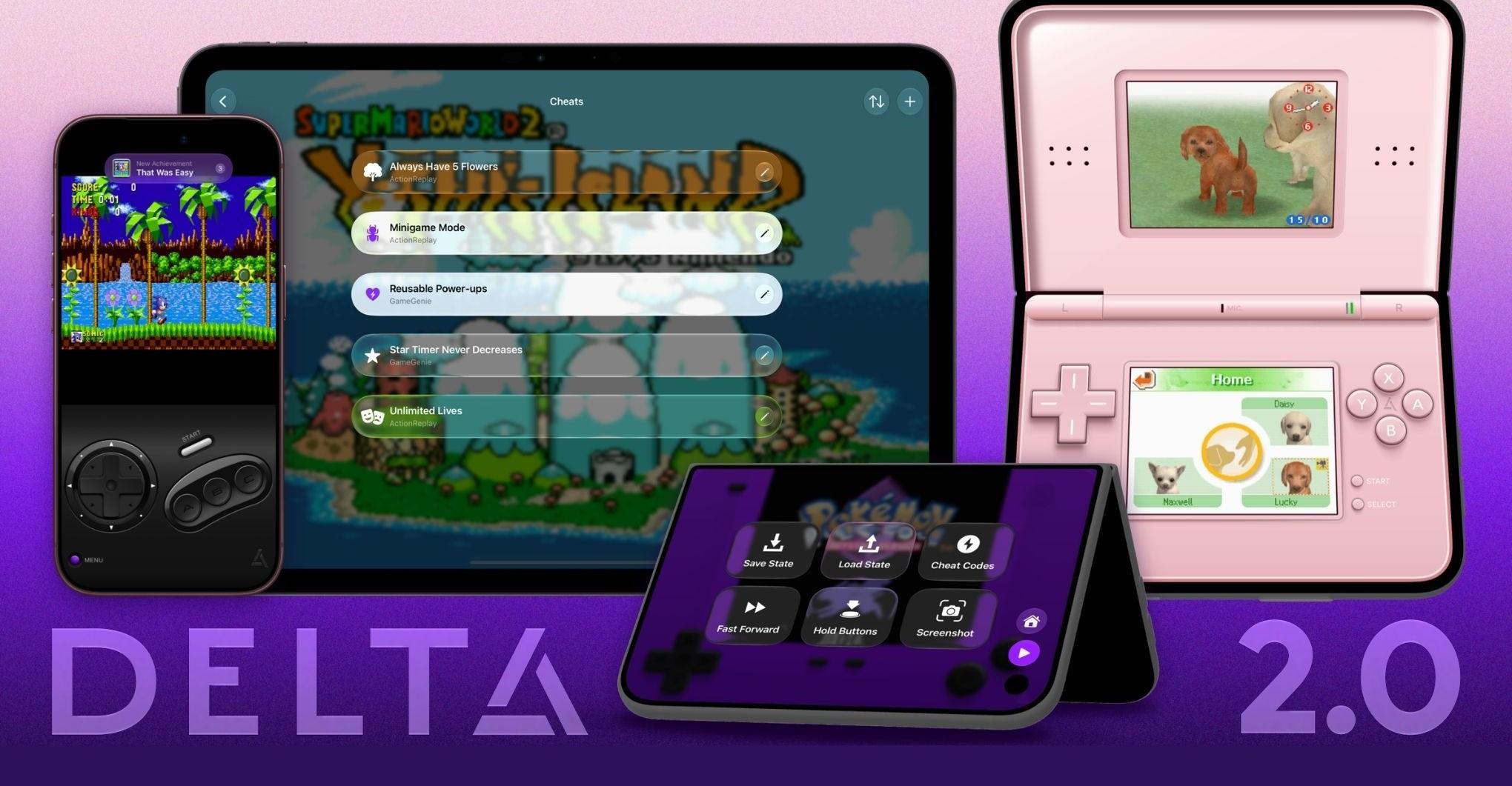
Delta can turn the iPhone Duo into your favorite folding handheld
- 10 hours ago
Should you let a chatbot manage your money?
- 17 hours ago

Jack Dorsey’s Block made an AI model that talks to you like an awkward new friend
- 10 hours ago
Microsoft shuts down its beloved maker space
- 10 hours ago
Trump is trying to overturn an election that hasn’t happened yet
- 17 hours ago

Trump says Sundar Pichai talked him out of renaming the Atlantic Ocean
- 10 hours ago
You May Like
Trending